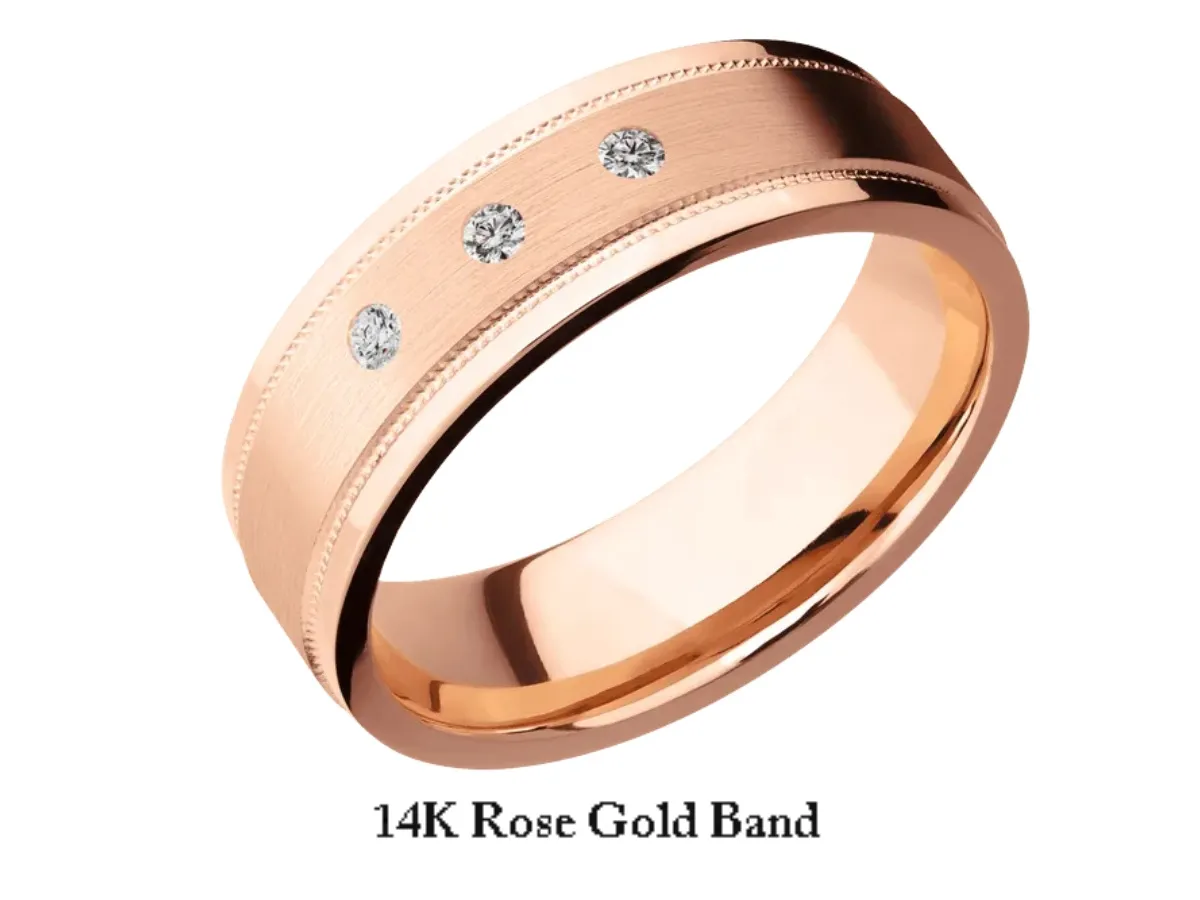
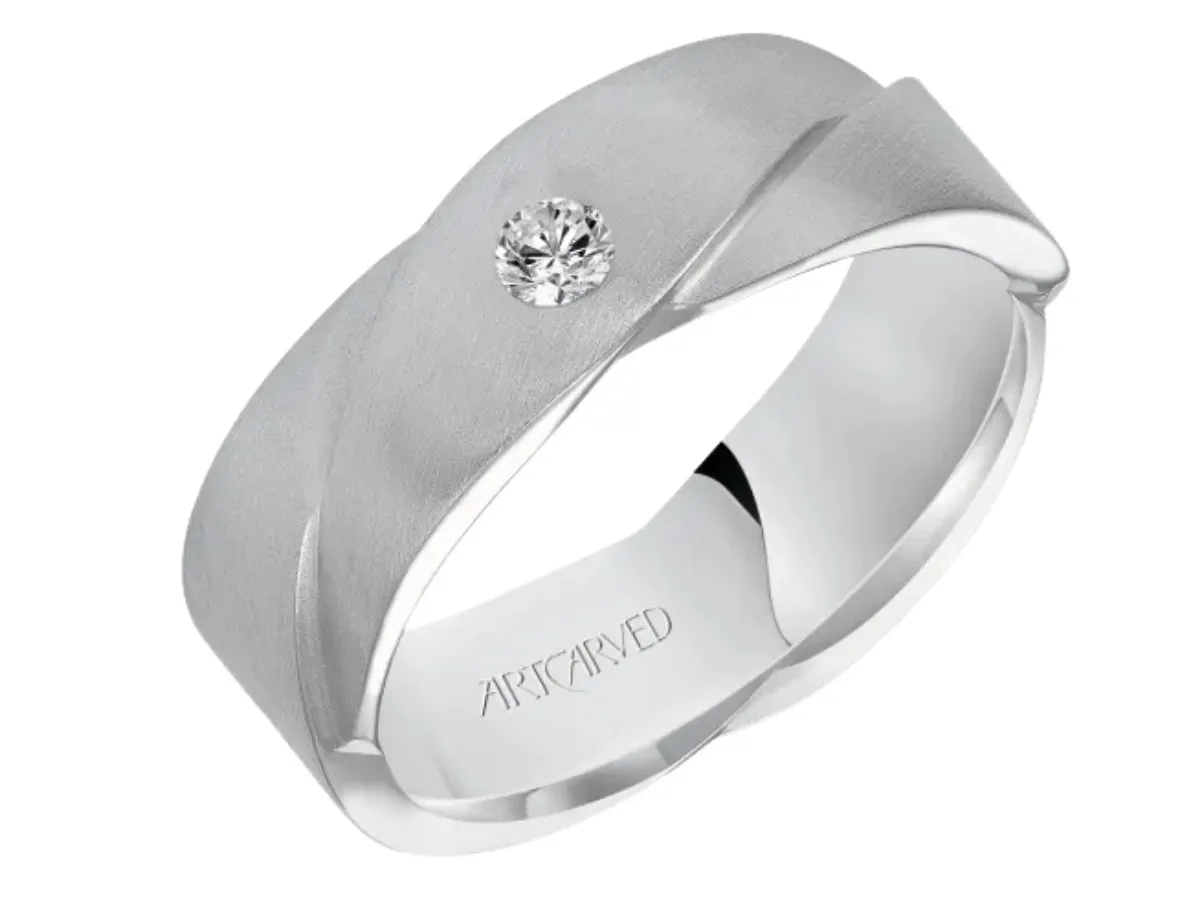
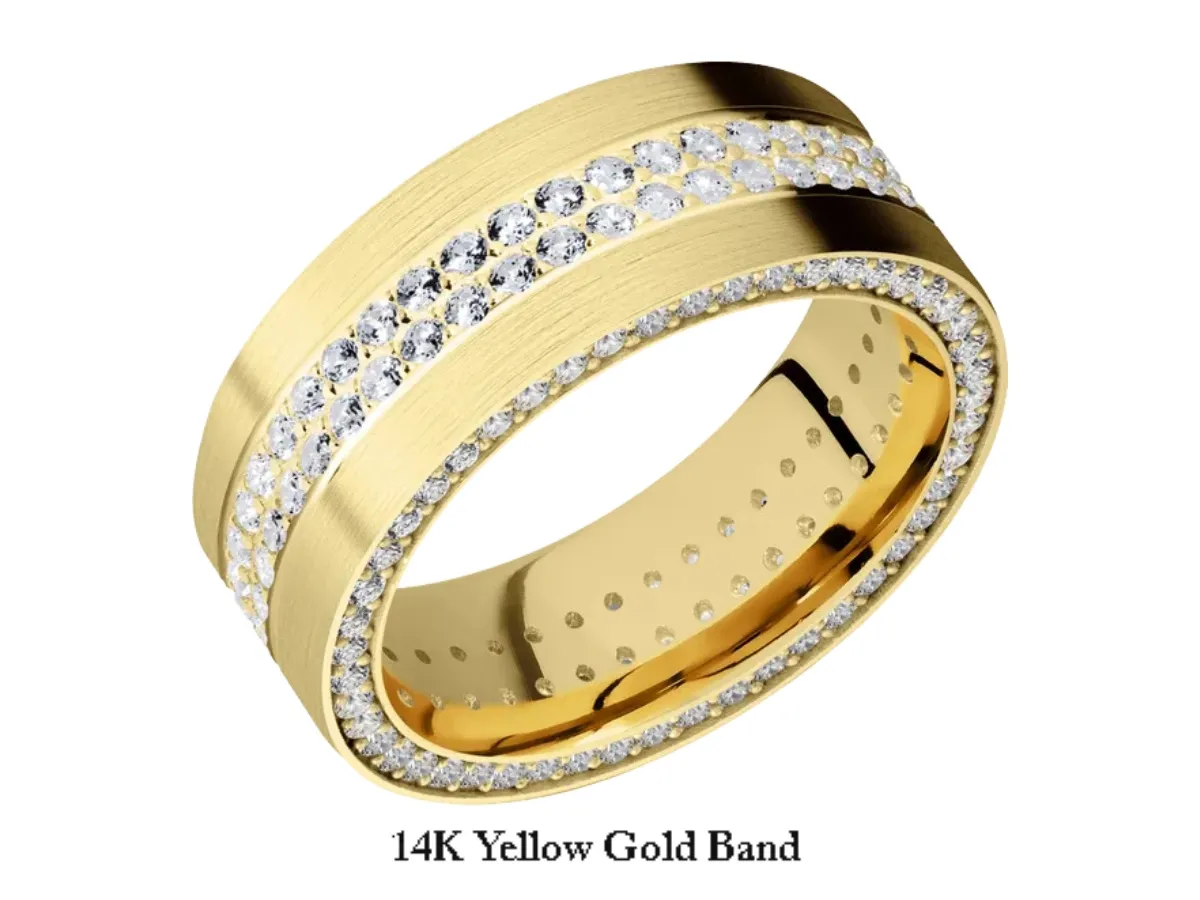
Choosing a diamond for your wedding band is a special decision. You want a ring that reflects your journey and will bring you joy for many years. At Ken Walker Jewelers there is a selection of diamond wedding bands that you might like. To help you make a confident choice, this guide will explain the important qualities of a diamond. Understanding diamond quality for your wedding band helps you pick a stone you will cherish. Check out the store at Gig Harbor, WA to choose a variety of wedding bands.
Key Takeaways
- The 4 Cs - Carat, Cut, Color, and Clarity - are the standard way to judge a diamond's quality.
- The Cut of a diamond is often considered the most important C because it affects how much a diamond sparkles.
- You can find a beautiful, eye-clean diamond that fits your budget by understanding how the 4 Cs work together.
- Ken Walker Jewelers offers education and personal service to help you select a diamond that feels right for you.
What Makes a Diamond Special? The 4 Cs for Your Wedding Band
When you look at diamonds, you might hear about the "4 Cs." These are four important features that jewelers use to describe a diamond's quality and value. They are Carat, Cut, Color, and Clarity. Each C plays a part in how a diamond looks and how much it costs. Understanding these qualities will help you choose a diamond quality wedding band that suits your preferences.Carat: How Diamond Weight is Measured
Carat is a measure of a diamond's weight. It is often misunderstood as a measure of size, but that is not quite right. A carat is equal to 200 milligrams.Here are some points about carat weight:
- Weight, Not Size: Carat tells you how heavy a diamond is.
- Visible Size: While a higher carat weight usually means a larger diamond, the way a diamond is cut can make two diamonds of the same carat weight look different in size. For example, a shallow cut might make a diamond appear wider, even if it weighs the same as a deeper cut diamond.
- Budget and Look: Think about your budget and the look you want. A larger carat weight typically means a higher price. You can balance carat with the other Cs to find a diamond that looks appealing and fits your spending plan.
Cut: How a Diamond Shines and Sparkles
The diamond cut is about how well a diamond has been shaped and faceted. It is often considered the most important of the 4 Cs because it controls how much light a diamond reflects. A well-cut diamond will sparkle brightly, while a poorly cut one may look dull, even if it has good color and clarity.The quality of a diamond cut affects its light performance in several ways:
- Brilliance: This is the white light you see reflected from the diamond. A good cut maximizes brilliance.
- Fire: This refers to the rainbow colors that flash from a diamond. It is caused by light splitting into its spectral colors.
- Scintillation: This is the sparkle and pattern of light and dark areas you see when the diamond moves. It adds life to the diamond.
Color: The Whiteness of a Diamond
Diamond color refers to how colorless a diamond is. Most diamonds used in jewelry have a slight tint of yellow or brown. The less color a diamond has, the rarer and more valuable it generally is.The industry uses a D-Z color grading scale:
- D, E, F: These diamonds are considered colorless. They have no noticeable tint.
- G, H, I, J: These are "near colorless" diamonds. Any tint is very faint and usually not visible to the untrained eye, especially once the diamond is set in a ring.
- K-Z: These diamonds have a faint to light yellow or brown tint that becomes more noticeable.
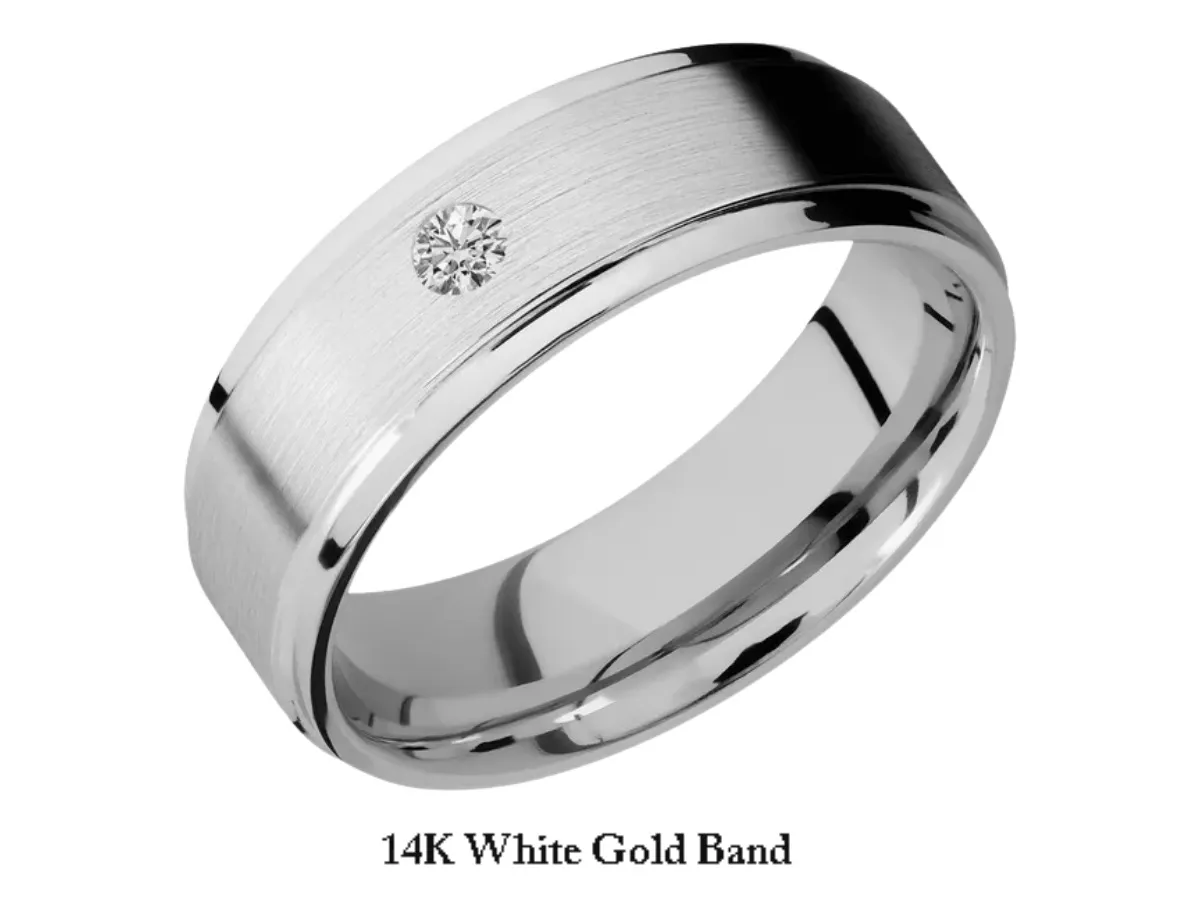
- Setting Impact: The metal color of your wedding band can affect how a diamond's color appears. A diamond with a slight yellow tint might look whiter when set in yellow gold, as the gold can complement its warmth.
- Personal Preference: Some people prefer a diamond that is completely colorless, while others like a warmer tint. Think about what appeals most to you.
Clarity: What's Inside and On the Surface
Diamond clarity describes the presence of tiny internal marks, called inclusions, and external marks, called blemishes. Almost all diamonds have some of these characteristics, which are like birthmarks. Most are too small to see without magnification.Clarity grades range from Flawless to Included:
- FL (Flawless): No inclusions or blemishes visible under 10x magnification. These are very rare.
- IF (Internally Flawless): No inclusions visible under 10x magnification, only minor blemishes.
- VVS1, VVS2 (Very Very Slightly Included): Inclusions are very difficult to see under 10x magnification.
- VS1, VS2 (Very Slightly Included): Inclusions are difficult to see under 10x magnification.
- SI1, SI2 (Slightly Included): Inclusions are noticeable under 10x magnification and may be visible to the unaided eye in SI2.
- I1, I2, I3 (Included): Inclusions are visible to the unaided eye and may affect the diamond's transparency or strength.
- Rarity vs. Visible Beauty: Clarity mainly affects a diamond's rarity. For many diamonds, inclusions are not visible without special tools. A VS or SI grade diamond can look just as beautiful as a Flawless one to the unaided eye.
- "Eye-Clean": Many buyers look for an "eye-clean" diamond. This means the diamond has no inclusions that are visible without magnification. You can often find an eye-clean diamond in the VS or SI range, which allows you to save money without sacrificing visible beauty.
Choosing Your Diamond at Ken Walker Jewelers
Understanding the 4 Cs is a great first step, and applying that knowledge to your wedding band choice is where Ken Walker Jewelers comes in. We believe in celebrating your milestones with quality jewelry at a fair price. Our team is here to offer honest, caring advice, much like a trusted family member.Here is what you can expect when you choose your diamond at Ken Walker Jewelers:
- Education Without Pressure: We focus on helping you understand your choices. Our staff will explain the details of each diamond without any pressure to buy. We want you to feel comfortable and confident in your decision.
- Options for Every Budget: We offer a range of options to fit different budgets. This includes beautiful natural diamonds and alternatives like moissanite, which provides great sparkle at a more budget-friendly price. We avoid the word "cheap" and prefer "affordable" or "budget-friendly" to describe our diverse offerings.
- Expert Guidance: Seeing diamonds in person makes a difference. Our staff can help you compare different stones, show you how the 4 Cs look in real life, and answer all your questions. We are dedicated to helping you find a long-lasting piece of jewelry.
- A Legacy of Trust: For over 52 years, Ken Walker Jewelers has built relationships with customers who become like family. We are members of IJO and RJO, and our consistent, hands-on attention means you get personal service that is focused on you.