
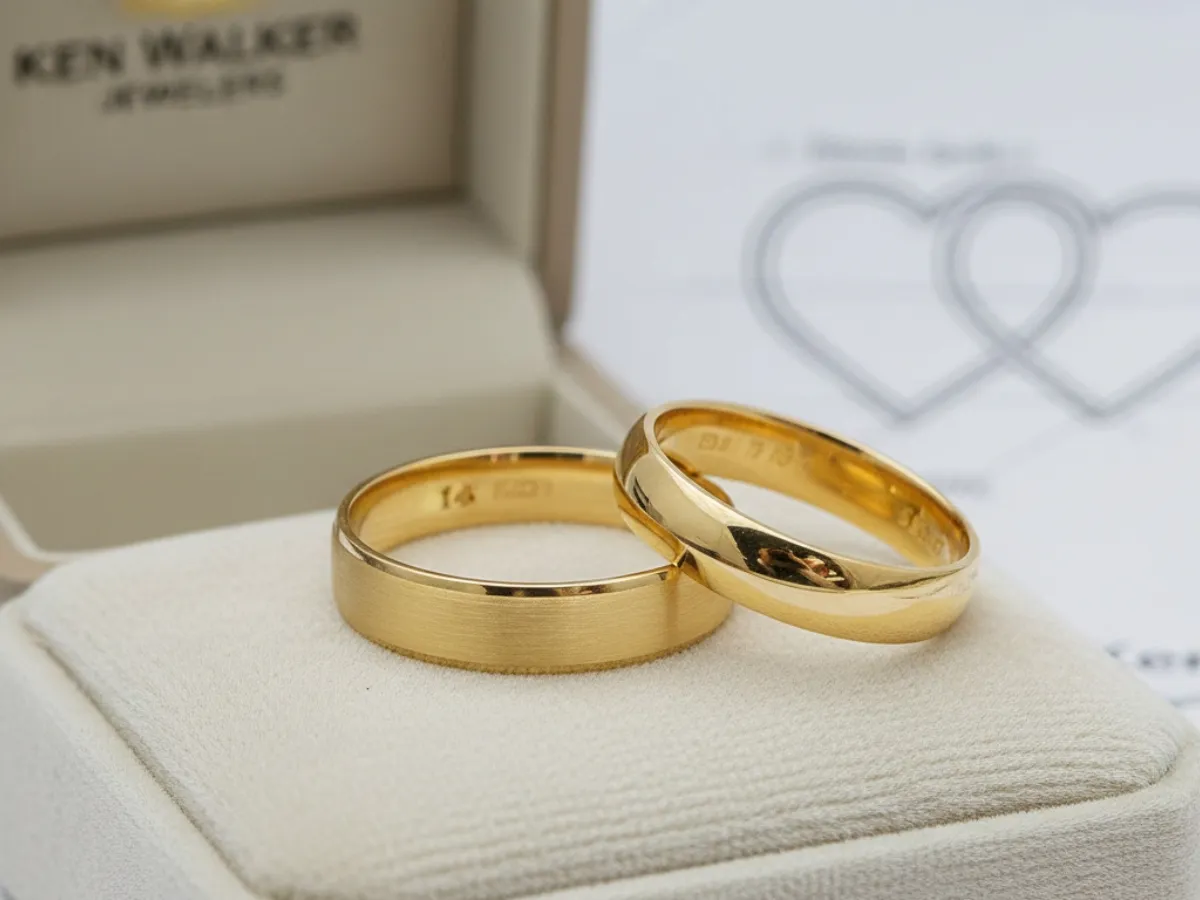
When you choose wedding gold bands, you are selecting a symbol of your lasting commitment. This choice goes beyond just how a ring looks. It also involves understanding the material itself. Gold is a popular choice for wedding bands because it is beautiful and traditional. However, gold comes in different purities, most commonly 14k and 18k. Knowing the differences between these two types of gold will help you make a decision that fits your lifestyle, budget, and preferences.
At Ken Walker Jewelers, we believe in helping you find the perfect ring that celebrates your milestone. We want you to feel comfortable and informed about your choices. This guide will walk you through what makes 14k and 18k gold distinct, so you can pick the best option for your special day.
Key Takeaways
- Karat System: Karat measures gold's purity. 24k is pure gold.
- 14k Gold: Contains 58.3% pure gold, mixed with other metals for strength. It is durable and affordable.
- 18k Gold: Contains 75% pure gold, offering a richer color and higher purity. It is softer and generally more expensive.
- Durability: 14k gold is harder and more resistant to scratches and dents due to its higher alloy content.
- Color: 18k gold has a deeper, more vibrant yellow hue than 14k gold.
- Price: 14k gold is typically less expensive than 18k gold.
- Lifestyle: Consider your daily activities when choosing. 14k is better for active individuals.
- Care: Both types of gold require proper care to maintain their shine.
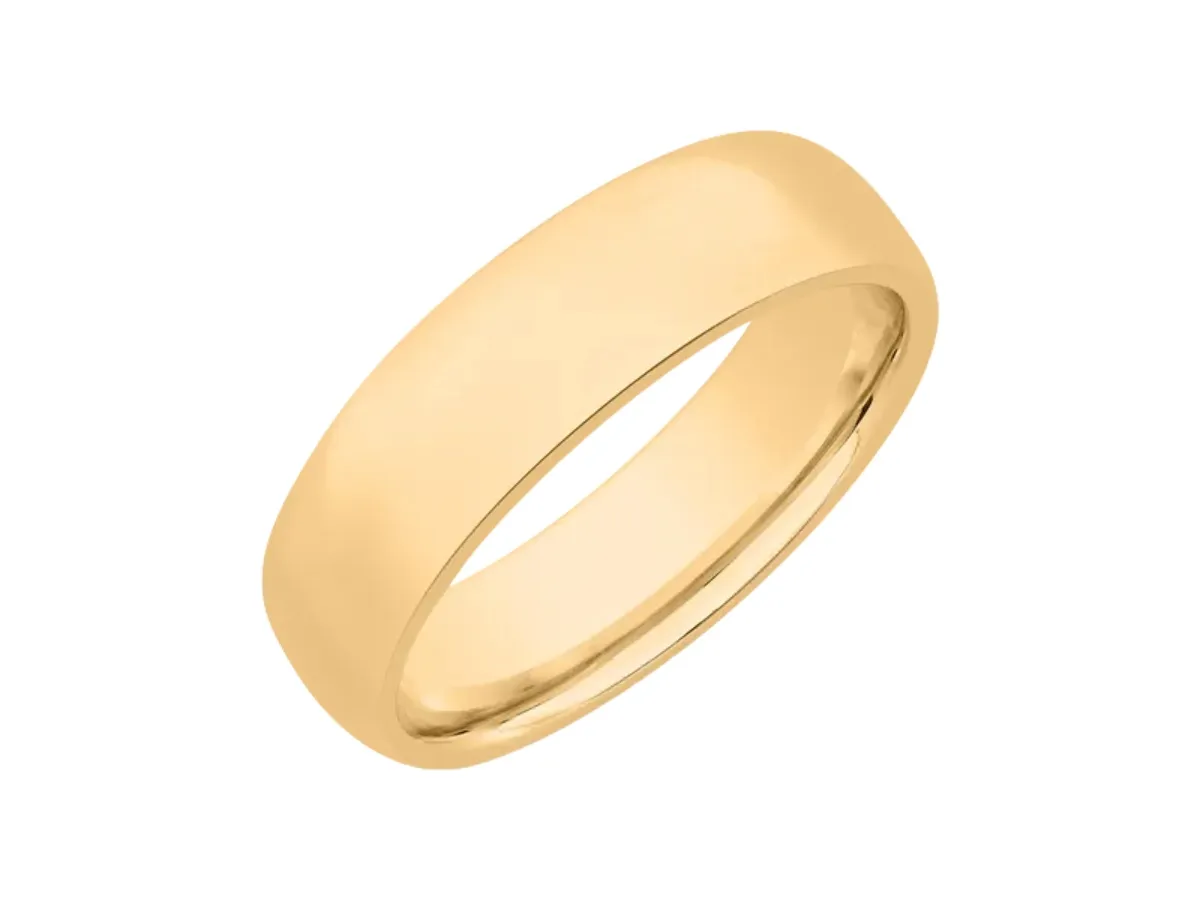
What is Gold Karat?
Before we talk about 14k and 18k gold specifically, it is helpful to understand what "karat" means. The term "karat" tells you how pure the gold is. Pure gold is very soft, so it is mixed with other metals to make it stronger and more suitable for jewelry. These other metals are called alloys. Common alloys include copper, silver, nickel, and zinc.
How Gold Purity Works
The karat system works on a scale of 24. This means:
- 24k gold is 100% pure gold. It is too soft for most jewelry, especially for items worn daily like wedding bands.
- 18k gold contains 18 parts gold out of 24 total parts. This means it is 75% pure gold and 25% alloy metals.
- 14k gold contains 14 parts gold out of 24 total parts. This means it is 58.3% pure gold and 41.7% alloy metals.
- 10k gold contains 10 parts gold out of 24 total parts. This means it is 41.7% pure gold and 58.3% alloy metals.
The higher the karat number, the higher the percentage of pure gold in the item. This purity affects the gold's color, strength, and price.
14k Gold: A Closer Look
14k gold is a very popular choice for wedding bands, especially in the United States. It offers a good balance of durability, beauty, and value.
Benefits of 14k Gold
Here are some reasons why many people choose 14k gold for their wedding bands:
- Durability: Because 14k gold has a higher percentage of alloy metals, it is harder and more resistant to scratches, dents, and everyday wear. This makes it a great choice if you have an active lifestyle or work with your hands a lot.
- Affordability: 14k gold contains less pure gold than 18k gold. This makes it more budget-friendly. This allows you to get a quality gold ring without a higher price.
- Color Variety: 14k gold can come in various colors like yellow, white, and rose gold. The alloy metals help create these different shades.
- Less Prone to Tarnish: The increased alloy content can sometimes make 14k gold slightly less prone to tarnishing compared to purer gold, though proper care is always key.
Things to Consider About 14k Gold
While 14k gold has many advantages, there are a few things to keep in mind:
- Color Intensity: The yellow color of 14k gold is slightly less vibrant than 18k gold due to the lower gold content. It has a subtle, warm tone.
- Allergy Risk: If you have sensitive skin, the higher alloy content in 14k gold could potentially increase the risk of an allergic reaction to certain metals, like nickel, if it is present in the alloy. Many modern alloys are nickel-free.
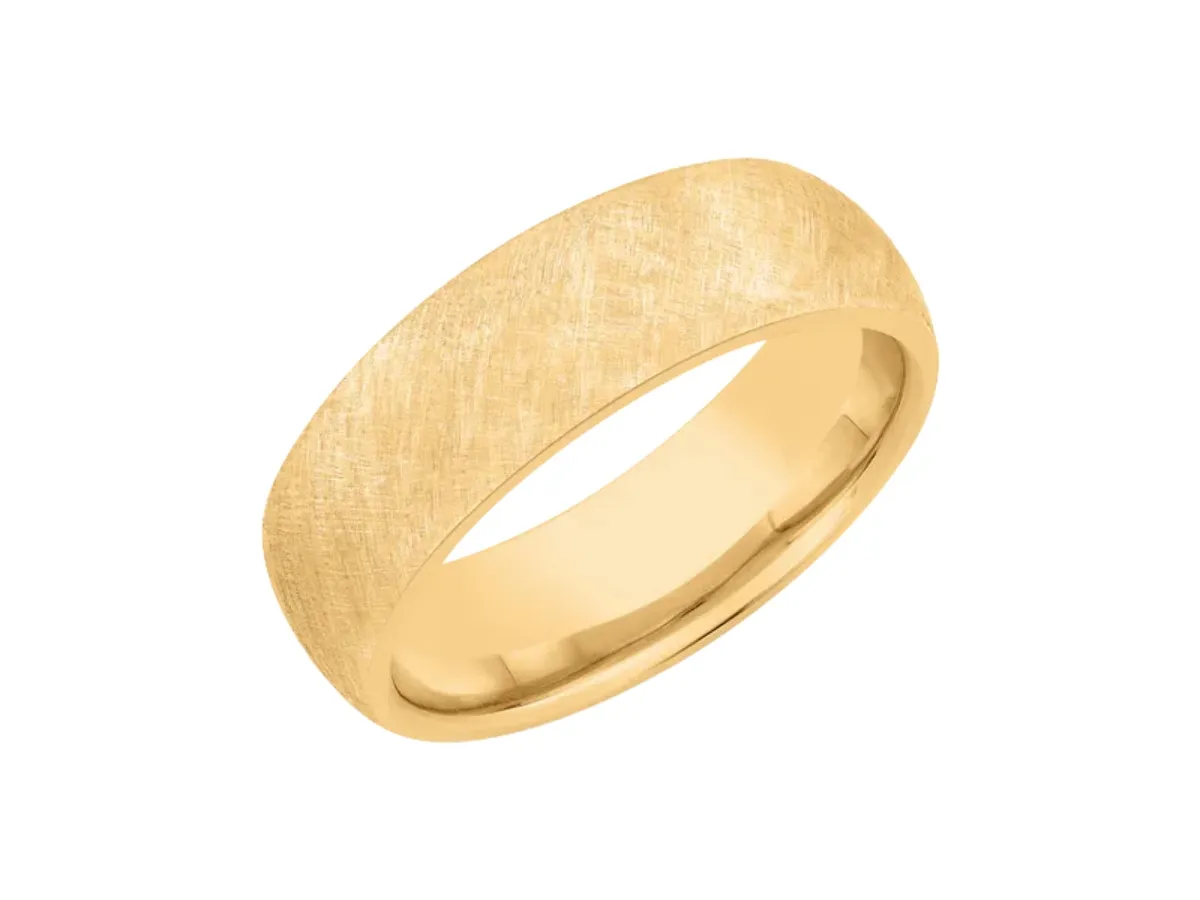
18k Gold: A Deeper Dive
18k gold is known for its rich color and higher purity. It is often chosen for fine jewelry and has a luxurious feel.
Benefits of 18k Gold
Consider these benefits when looking at 18k gold for your wedding band:
- Richer Color: With 75% pure gold, 18k gold has a deeper, more intense yellow color. This vibrant hue is often seen as classic and luxurious.
- Higher Purity: If purity is important to you, 18k gold offers a higher gold content. This is closer to pure gold while still being durable enough for jewelry.
- Hypoallergenic Qualities: Due to its higher gold content and lower percentage of alloy metals, 18k gold is less likely to cause allergic reactions in people with sensitive skin.
- Prestige: 18k gold is often associated with high-end jewelry and can be seen as a sign of quality and craftsmanship.
Things to Consider About 18k Gold
Here are some points to think about if you are considering 18k gold:
- Softer Material: Because it has a higher percentage of pure gold, 18k gold is softer than 14k gold. This means it can be more prone to scratches and dents over time. If you have a very active job or hobby, this might be a concern.
- Higher Price: The increased gold content means that 18k gold is generally more expensive than 14k gold.
- Maintenance: While beautiful, 18k gold might require a bit more careful handling and cleaning to keep it looking its best.
Making Your Choice: 14k vs 18k Gold Bands
The best choice for your wedding gold bands depends on your personal situation. Here are some questions to ask yourself:
- What is your budget? If you are working with a specific budget, 14k gold offers excellent value. 18k gold will be a higher investment.
- How active is your lifestyle? If you are very active or work with your hands, the durability of 14k gold might be a better fit. If your daily activities are less strenuous, 18k gold could work well.
- What color do you prefer? Do you like the slightly softer yellow of 14k gold or the rich, deep yellow of 18k gold?
- Is purity important to you? If you value a higher gold content, 18k gold is the purer option suitable for daily wear.
- Do you have metal allergies? If so, 18k gold might be a safer bet due to its lower alloy content.
At Ken Walker Jewelers, we offer a range of beautiful gold bands in both 14k and 18k. We are here to help you weigh these factors and find a ring that you will love for a lifetime. We believe in helping you select a piece that truly celebrates your journey.
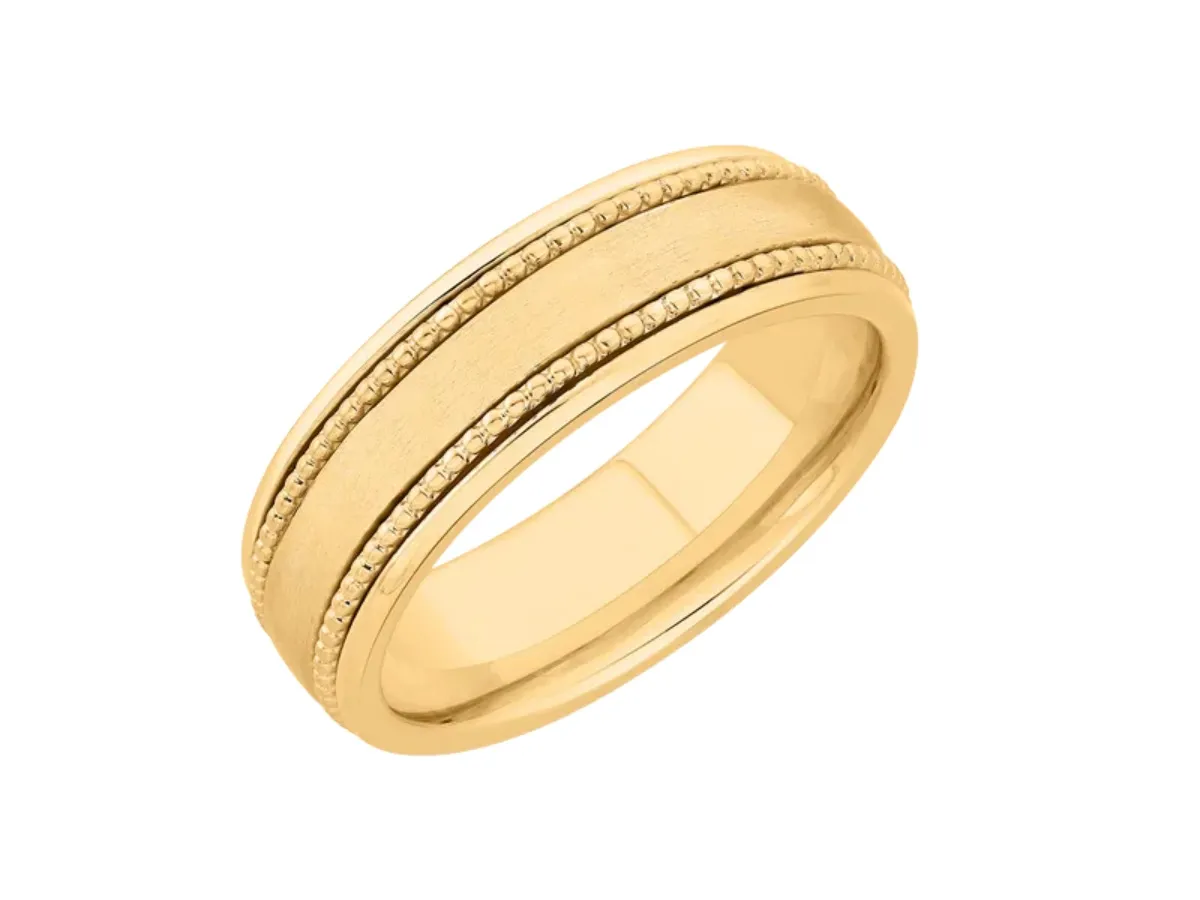
Caring for Your Gold Wedding Band
No matter which karat you choose, proper care will help your gold wedding band last for years. Here are some simple tips:
- Clean Regularly: Use a soft cloth and a gentle jewelry cleaner or mild soap and water. Avoid harsh chemicals.
- Remove During Activities: Take off your ring before doing heavy labor, exercising, swimming, or using cleaning products. This prevents scratches and chemical exposure.
- Store Properly: When not wearing your ring, keep it in a soft pouch or a fabric-lined jewelry box to prevent it from rubbing against other pieces.
- Regular Inspections: Visit Ken Walker Jewelers for periodic professional cleaning and inspection. We can check for loose stones or signs of wear and make small repairs before they become bigger issues.
- Avoid Harsh Contact: Gold can be scratched by harder materials. Be mindful when wearing your ring.
Frequently Asked Questions (FAQ)
Can I wear 14k and 18k gold together?
Yes, you can wear rings of different karats together. The difference in purity is usually not noticeable when worn side-by-side, and it will not harm the rings.
Does gold purity affect its value over time?
The value of gold jewelry is tied to the current market price of gold and its purity. Generally, 18k gold has more pure gold content, so its intrinsic value is higher than 14k gold of the same weight. However, the emotional value of your wedding band is often more important.
Will my gold wedding band tarnish?
Pure gold (24k) does not tarnish. However, the alloy metals mixed with gold in 14k and 18k jewelry can react with air and chemicals, leading to tarnish. 14k gold, with more alloys, might show tarnish more readily than 18k gold, but proper care and cleaning can prevent it for both.
Can gold wedding bands be resized?
Most gold wedding bands can be resized by a skilled jeweler. The process involves cutting a small section out or adding a small piece of matching gold, then soldering it together and polishing the band.
What does "k" stand for in 14k or 18k gold?
The "k" stands for karat, which is a unit of purity for gold. It indicates the proportion of pure gold in an alloy.
Does Ken Walker Jewelers offer both 14k and 18k gold bands?
Yes, Ken Walker Jewelers offers a wide selection of wedding bands in both 14k and 18k gold. We can help you find the perfect style and karat that suits your needs and preferences.