
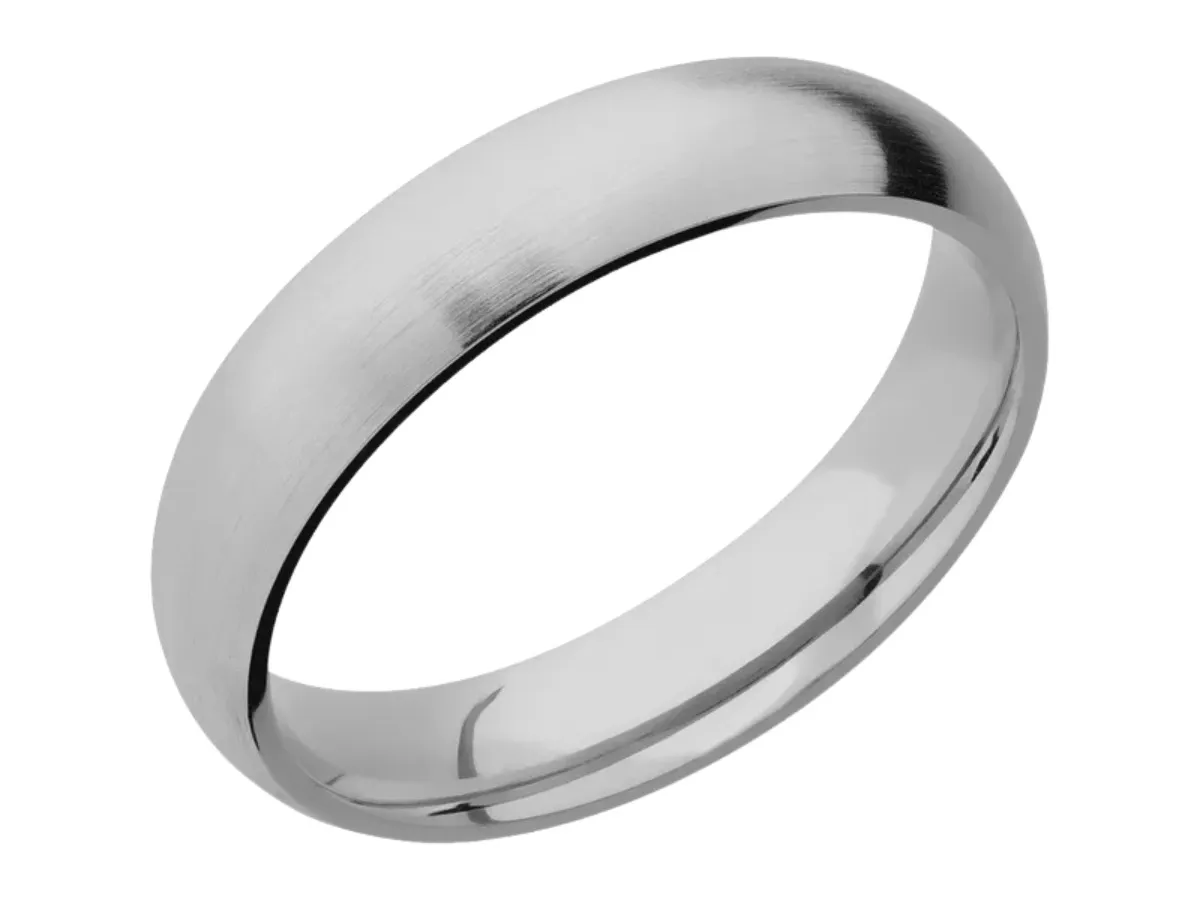
Many individuals are drawn to the delicate look of thin wedding bands. You might appreciate their subtle beauty and how they feel on your finger. However, a common question arises: can a thin wedding band withstand the rigors of your daily life? This article will discuss the factors that influence the thin men’s wedding bands durability, helping you make an informed choice for a ring you will wear often. You want a ring that celebrates your milestones and stays beautiful. Ken Walker Jewelers is here to help you make an informed decision for your special day, check out the store at Gig Harbor, WA.
Key Takeaways:
- Durability Factors: A thin wedding band's strength depends on its metal, dimensions, construction, and your daily habits.
- Metal Choice Matters: Certain metals offer more resistance to wear and tear for slim designs.
- Lifestyle Impact: Your activities play a big part in how well your band holds up over time.
- Maintenance is Key: Regular care, cleaning, and professional checks can greatly extend your delicate wedding band's life.
- Pros and Cons: Thin bands offer comfort and style but may require more care than thicker options.
Understanding What Makes a Wedding Band Thin
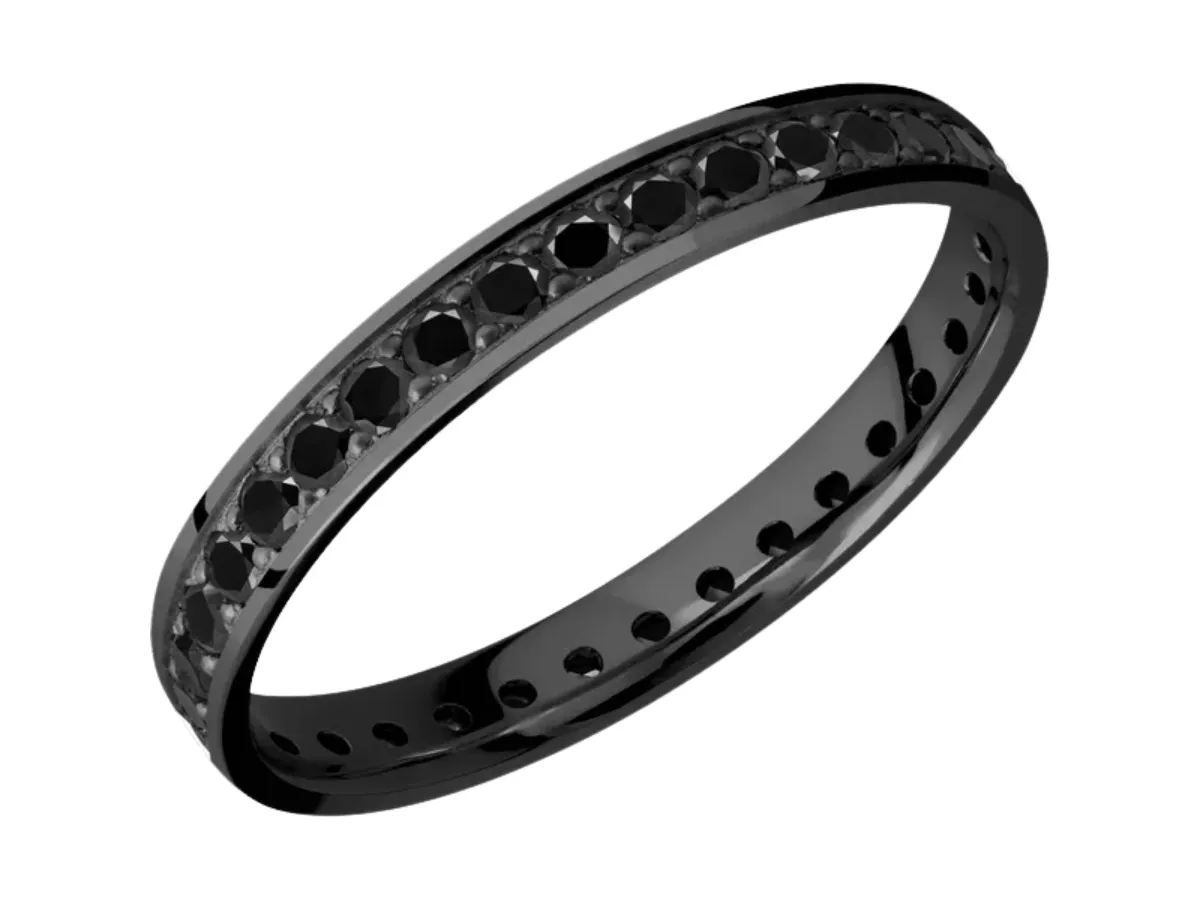
This section will explain what generally defines a "thin" wedding band in terms of its dimensions. You will learn about the appeal of these styles. A wedding band is usually considered thin if its width is less than 2 millimeters (mm). Some bands are even slimmer, measuring 1.5mm or 1mm across. The thickness of the band also plays a part, referring to its height from your finger. A truly thin band will be slender in both width and thickness.The Appeal of Delicate Wedding Bands
Many people choose thin wedding bands for their understated beauty and comfort. You may find that a slimmer band feels less intrusive on your finger or pairs well with other jewelry.Here are some reasons why people choose delicate wedding bands:
- Comfort: A lighter, narrower band often feels more natural and less bulky on your finger, especially if you are not used to wearing rings.
- Aesthetic Appeal: Thin bands offer a subtle, elegant look that can complement various styles. They do not overpower your hand or other jewelry.
- Stacking Options: If you like to wear multiple rings, a slim band can easily sit alongside your engagement ring or other bands, creating a layered effect.
- Minimalist Style: For those who prefer a simple, clean design, a thin band provides a modern and understated statement.
What Influences a Thin Wedding Band's Longevity?
The strength and long-term wear of your thin wedding band depend on several key elements. You should consider these factors when selecting your ring to understand its wedding band longevity.Metal Type and Purity
The kind of metal used for your band plays a significant role in its durability. Some metals are naturally harder and more resistant to scratches and bending than others.Common metals and their properties for thin bands:
- Platinum: This metal is known for its density and strength. It is more resistant to scratches and bending than gold. Platinum is also naturally white and will not change color over time.
- Gold Alloys: Gold is often mixed with other metals to make it harder and more durable. The purity of gold is measured in karats (K):
- 14K Gold: This is a popular choice because it offers a good balance of purity and strength. It is more durable than 18K gold.
- 18K Gold: While softer than 14K gold, 18K gold has a richer color. It might show wear more quickly in a thin band.
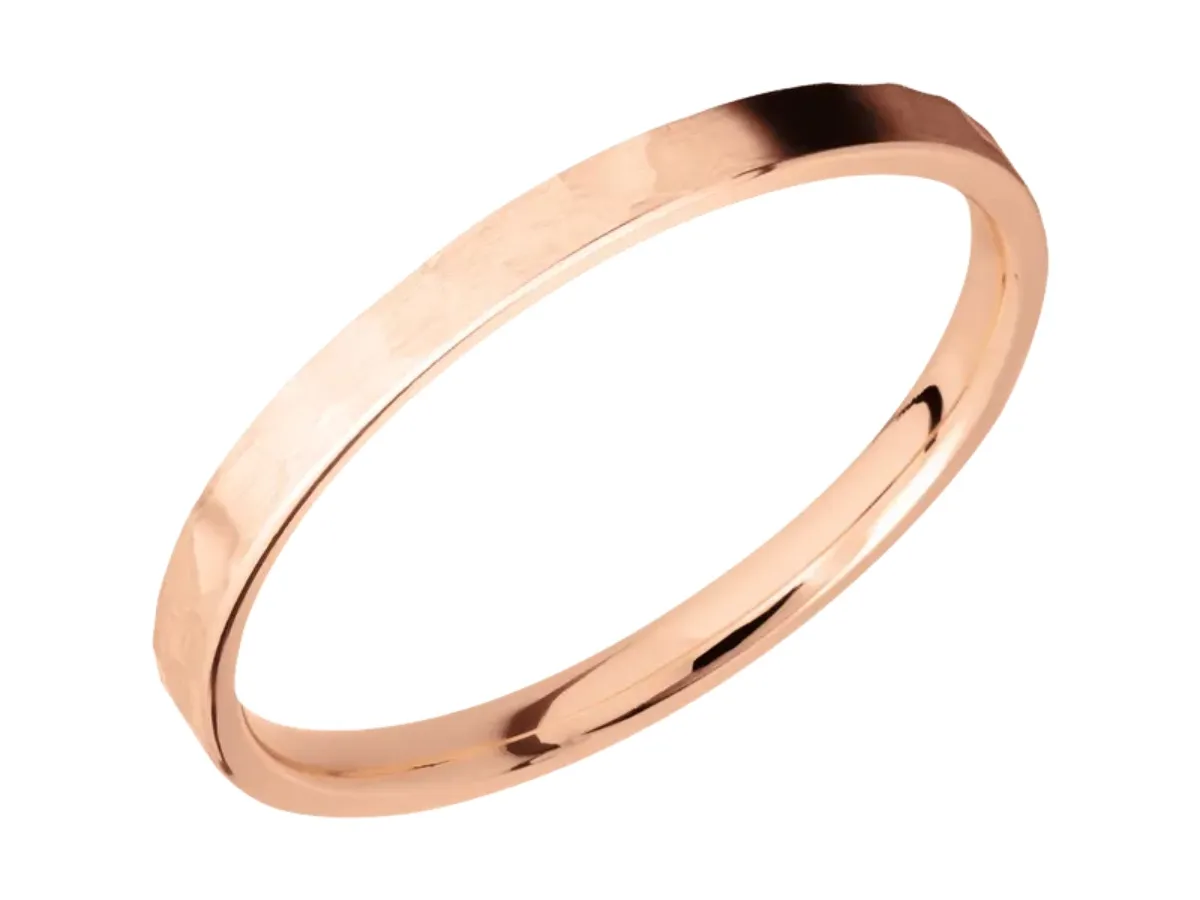
- Yellow, White, and Rose Gold: These colors refer to the different alloys used. White gold often contains nickel or palladium for strength and color, but it needs rhodium plating over time.
- Palladium: A naturally white metal, palladium is durable and lightweight. It is a good choice for those who want a strong, white metal without the need for rhodium plating.
Band Width and Thickness
The physical dimensions of your ring-how wide it is across your finger and how thick it is from top to bottom-directly impact its ability to hold up over time. A very thin or narrow band has less material to absorb impact or resist deformation.Consider these points:
- Less Material: A thinner band simply has less metal. This means it has less material to resist bending or denting if it hits a hard surface.
- Flexibility: Very slim bands can be more flexible than thicker ones. While this can make them comfortable, it also means they might be more prone to changing shape under stress.
- Abrasion: Over time, everyday friction can wear down any metal. A thin band has less material to lose before showing significant wear.
Your Lifestyle and Daily Activities
Your personal routine and the types of activities you do frequently can greatly affect your wedding band. Certain jobs or hobbies might expose your ring to more stress.Think about your daily habits:
- Hands-on Work: If your job involves heavy lifting, working with tools, or frequent contact with hard surfaces, your ring will face more wear.
- Sports and Hobbies: Activities like gardening, rock climbing, swimming, or playing instruments can put your ring at risk of scratches, dents, or even loss.
- Household Chores: Cleaning with harsh chemicals or doing tasks that involve gripping and pulling can also affect your ring's condition.
Ring Construction and Design
The way a ring is built, including whether it is solid or hollow and how any stones are set, affects its overall strength. A well-constructed ring offers better long-term performance.Elements of ring construction:
- Solid vs. Hollow: A solid thin band is always stronger than a hollow one. Hollow bands might be lighter or more affordable, but they are much more prone to denting or crushing.
- Stone Settings: If your thin band includes small diamonds or gemstones, the way they are set matters. A bezel setting, where metal surrounds the stone, offers more protection than a prong setting, where the stones are held by small metal claws.
- Engravings or Details: Deep engravings or delicate filigree on a thin band can create weaker points where the metal is thinner.
Slim Band Pros and Cons for Your Wedding Ring
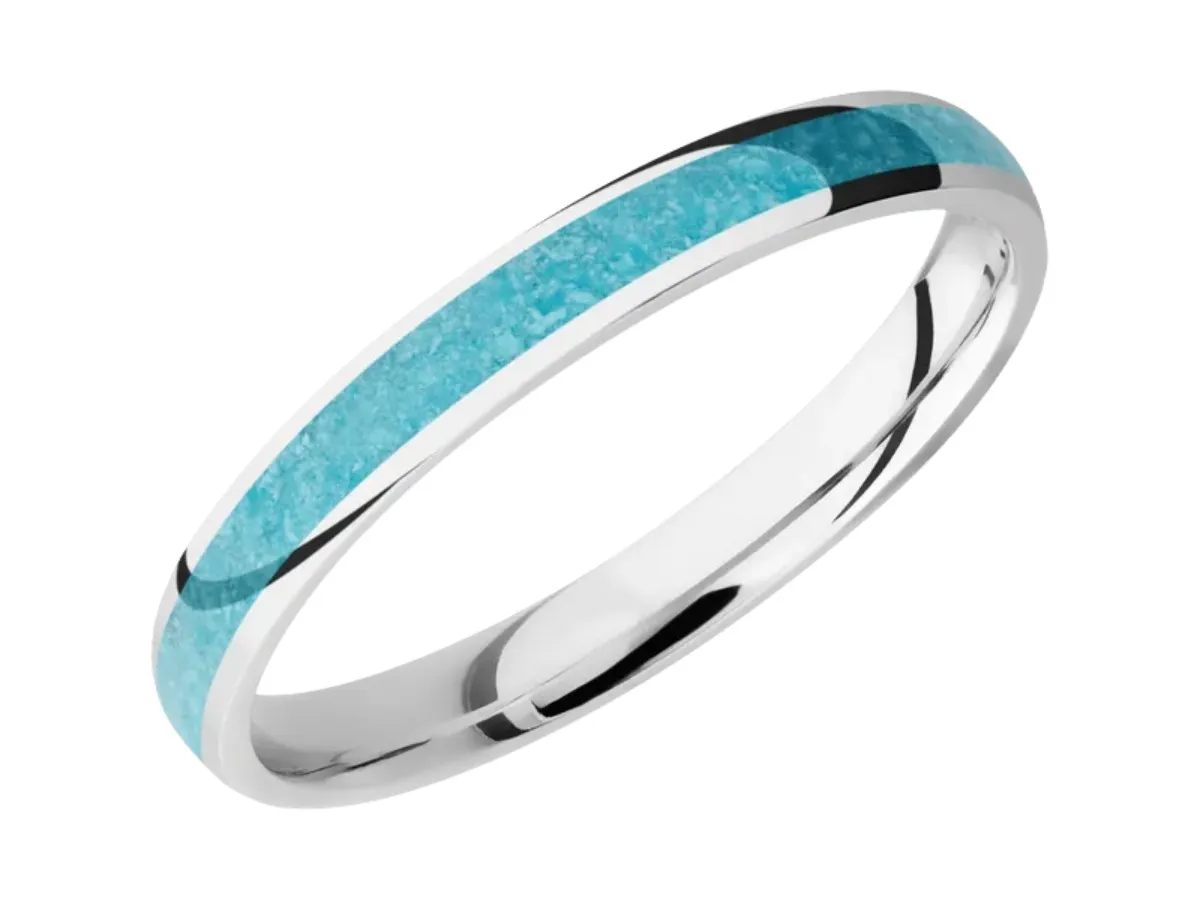
When considering a thin men wedding band, you will find both benefits and potential drawbacks. Understanding these can help you decide if this style is suitable for you. This balanced view helps you weigh the slim band pros and cons.Advantages of Thin Bands
Thin wedding bands offer several appealing qualities. You might find them more comfortable, stylish, and versatile for stacking with other rings.The advantages include:
- Comfort: They feel light and less restrictive on your finger.
- Elegant Appearance: They offer a refined and subtle look.
- Versatility: They pair well with various engagement ring styles and other jewelry.
- Affordable Price Point: Often, thin bands use less metal, which can make them more budget-friendly.
Potential Considerations for Thin Bands
While attractive, thin bands may require more attention. You should be aware of the possibility of bending, scratching, or needing more frequent professional maintenance compared to thicker bands.Here are some points to consider:
- Risk of Bending: Thin bands, especially those made of softer metals, can bend or warp if subjected to strong impact.
- Wear Over Time: Daily activities can cause thin bands to wear down faster than thicker ones, potentially leading to a need for repair or re-shanking.
- Damage to Settings: If your thin band has stones, a bent band could loosen their settings, increasing the risk of losing a stone.
- Maintenance Needs: You might need professional cleaning and inspection more often to keep your delicate wedding band in good condition.
Maintaining the Longevity of Your Delicate Wedding Band
Proper care is important for any piece of jewelry, especially for a delicate wedding band. You can take steps to help your thin band last for many years, supporting its wedding band longevity.Regular Cleaning and Professional Inspection
Cleaning your ring often and having a jeweler inspect it periodically can help keep it in good condition. You can address minor issues before they become larger problems.Tips for care:
- Home Cleaning: Use a soft brush, warm water, and mild soap to gently clean your ring at home. Rinse it well and dry it with a soft cloth.
- Professional Check-ups: Visit a trusted jeweler, like Ken Walker Jewelers, for professional cleaning and inspection at least once a year. They can check for loose stones, signs of wear, or any damage that needs attention. Early detection can prevent more serious problems.
When to Remove Your Ring
Removing your thin wedding band during certain activities can significantly protect it from damage. You should consider taking it off before engaging in high-impact tasks.Remove your ring before:
- Heavy Lifting: Carrying heavy bags, weights, or doing any activity that puts pressure on your hands.
- Sports and Exercise: Especially activities that involve gripping, impact, or contact with hard surfaces.
- Gardening or Manual Labor: Dirt, chemicals, and tools can scratch or damage your band.
- Cleaning with Chemicals: Harsh cleaning products can dull or damage certain metals and finishes.
- Sleeping: To avoid accidental bending or snagging on bedding.
Re-Shanking and Repairs
Over time, even with care, a thin band might show wear and tear. You should understand that repairs, such as re-shanking to reinforce the band, are options to restore its condition.Repair options include:
- Re-Shanking: If your band becomes too thin or worn, a jeweler can replace the lower part of the band with new metal, making it stronger.
- Re-Tipping Prongs: If your ring has stones, the small metal prongs holding them can wear down. A jeweler can add metal to these prongs to secure your stones again.
- Polishing and Refinishing: Scratches and dullness can be removed through professional polishing, restoring your ring's shine.