
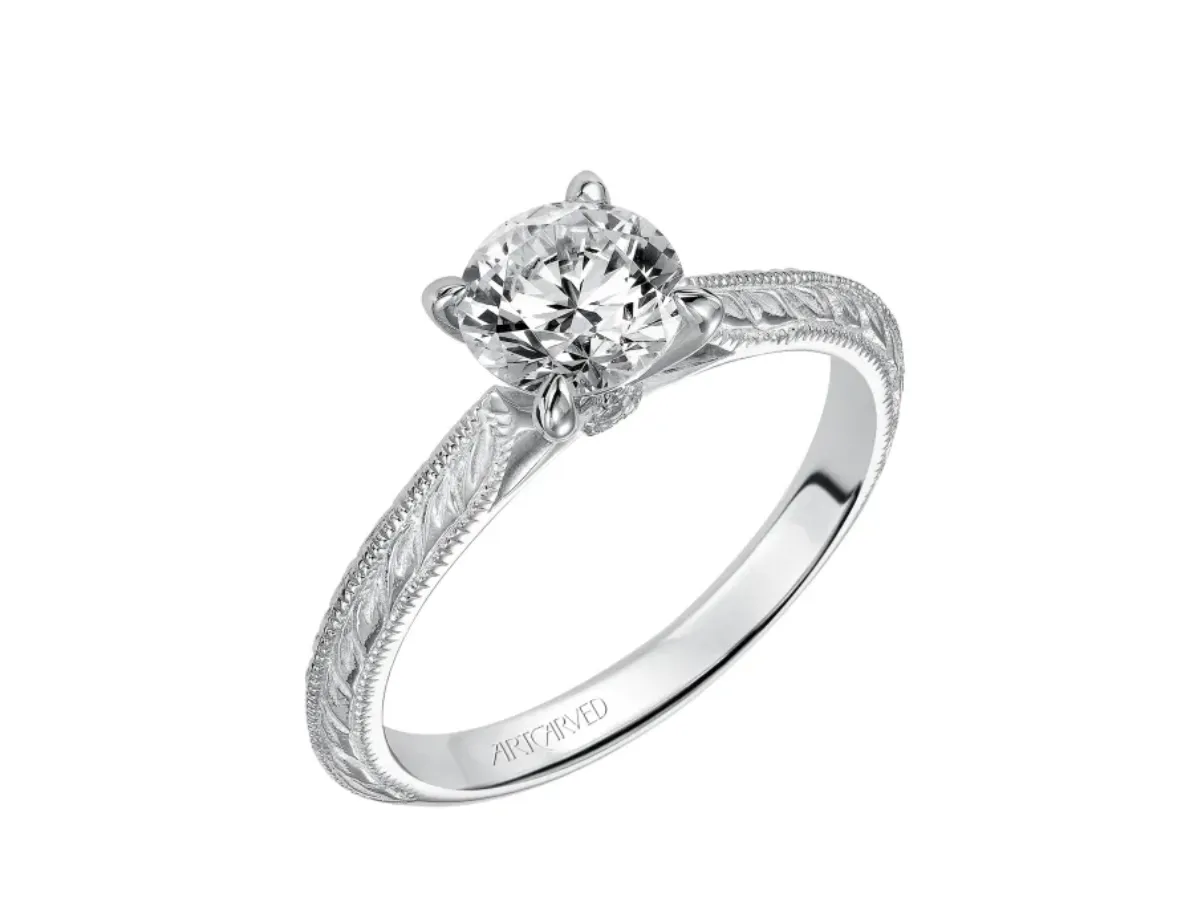
Shopping for a wedding band is an exciting milestone in your journey together. You want a ring that matches your personal taste, feels comfortable, and stays strong through years of daily wear. When looking at different Diamond Settings, you might notice an eye-catching design where the gem looks like it is floating in mid-air. These are tension set rings, and they offer a sleek, modern option for modern wedding bands.
At Ken Walker Jewelers, we believe in giving you direct, helpful advice so you can choose jewelry that fits your budget and lifestyle. This guide breaks down how tension settings work, their advantages and drawbacks, and how to keep them safe for a lifetime.
Key Takeaways
- Tension set rings use physical pressure from the metal band to hold the center gem without prongs or bezels.
- The open sides allow light to pass through the gemstone, giving it maximum brightness.
- Strong metals like titanium, platinum, and karat gold are necessary to keep the required pressure.
- Resizing these bands can be difficult, so getting the exact finger size at the start is essential.
- These rings are great for people who want a distinct, modern look without extra metal covering the stone.
What Are Tension Set Stones?
A tension set ring holds a gemstone in place using pressure from the band itself rather than metal wraps or claws. Instead of surrounding the stone with a bezel or holding it down with tiny metal prongs, the sides of the ring push against the stone to keep it secure.
This design creates the visual effect of a floating gemstone. It leaves the top and bottom of the stone completely exposed, giving you a clear view of the gem from almost every angle.
Here are the main features of a tension setting:
- Open side profile that shows off the complete side view of the gem.
- No prongs or outer rims covering the top border of the stone.
- Clean, thick metal walls that supply the holding force.
- Smooth outer surfaces that do not snag on clothing or pockets.
How Tension Mountings Hold Gemstones
It might seem risky to hold a valuable gem with only two points of contact, but physics makes this style surprisingly secure. The metal band is manufactured to act like a strong spring.
Here is a step-by-step breakdown of how the mounting works:
- Creating the Band: Jewelers craft a thick, durable band made from strong alloys.
- Cutting Tiny Grooves: The inner edges of the opening are carved with tiny grooves called "seats."
- Inserting the Stone: The jeweler uses specialized tools to spread the band open slightly and place the gemstone into the seats.
- Applying Spring Pressure: Once released, the metal snaps back against the sides of the stone, applying up to 120 pounds of pressure per square inch.
Because the metal continuously pushes inward, the stone stays firmly anchored. The gem itself must be strong enough to withstand this constant force, which is why hard stones like diamonds, sapphires, and rubies are the primary choices for this style.
Comparing Tension Style to Other Diamond Settings
When browsing options for your wedding band, it helps to see how tension rings measure up against traditional choices. Each mounting style brings different benefits to the table.
|
Setting Type |
Holding Method |
Light Exposure |
Snag Resistance |
Resizing Ability |
|
Tension |
Spring pressure from band walls |
Very High |
Excellent |
Low to None |
|
Prong |
Metal claws over stone edges |
High |
Moderate |
High |
|
Bezel |
Solid metal rim around the stone |
Moderate |
Excellent |
Moderate |
|
Channel |
Gems set between two parallel metal walls |
Moderate |
Good |
Moderate |
Tension vs. Prong Styles
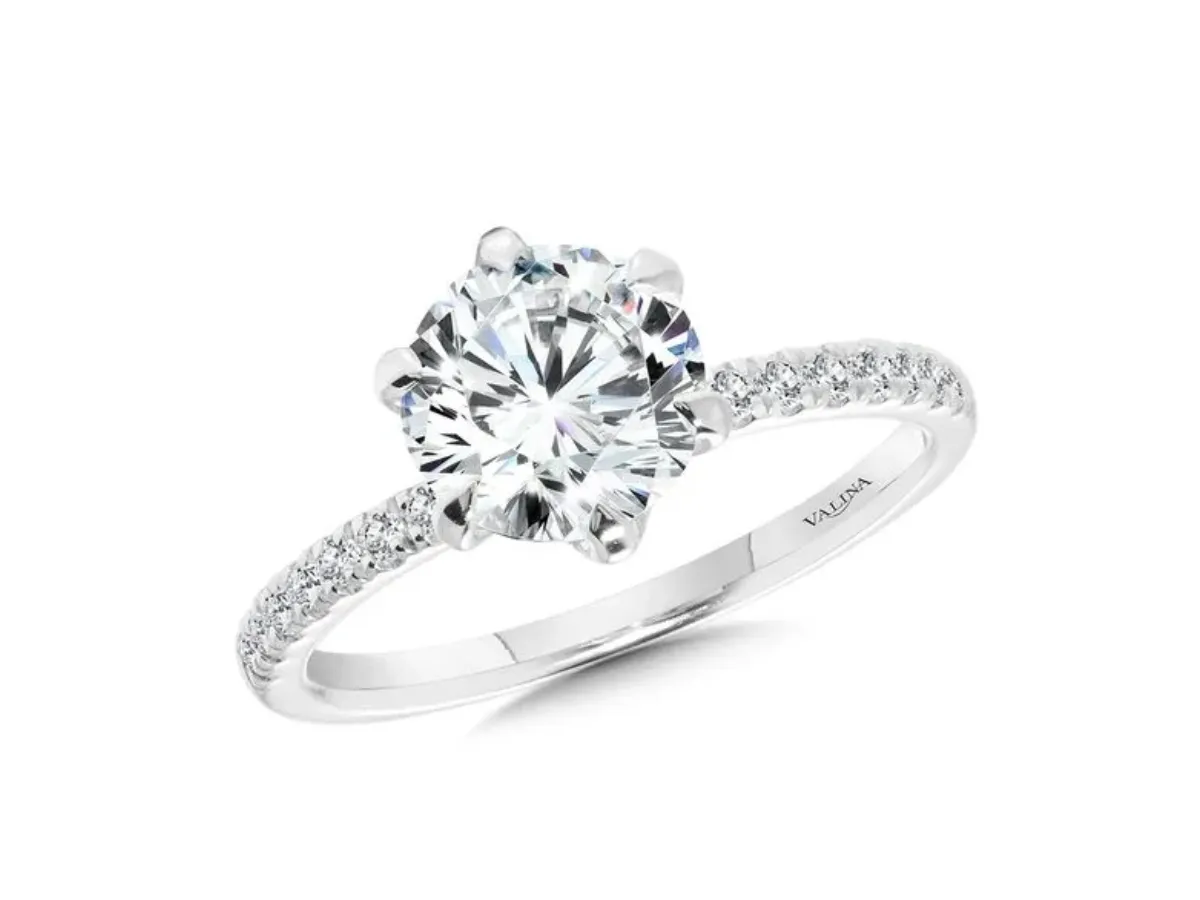
Prong mountings are the most common choice for engagement and wedding rings. They use four to six metal claws to grasp the stone.
- Visibility: Tension bands show more of the stone's profile than prong designs.
- Maintenance: Prongs can bend, wear down, or snag on sweaters over time. Tension bands do not have claws to snag or wear thin.
- Security Check: Prongs need periodic tightening by a jeweler. A tension ring stays locked unless the band suffers severe physical damage.
Tension vs. Bezel Mounts
Bezel mountings wrap a thin sheet of metal completely or partially around the rim of the gemstone.
- Protection: Bezels shield the outer girdle of the gem from bumps better than any other style.
- Light: Bezels block side light, whereas tension settings let light enter from every direction.
- Style: Bezels offer a smooth, classic outline, while tension rings give off an architectural, high-tech vibe.
Key Insight: If you work with your hands or dislike rings that catch on fabrics, both tension and bezel mountings offer smooth profiles that help prevent accidental snagging.
Pros and Cons of Tension Wedding Bands
Choosing a wedding band is a personal decision. Weighing the positives and negatives helps you decide if a tension set ring fits your daily routine.
Advantages
- Unobstructed View: You can see the sides, top, and bottom of your gem without heavy metal blocking your view.
- Maximum Light Reflection: Light enters from all angles, helping the stone shine bright.
- Low Profile: Without raised prongs, the ring sits close to your finger and glides smoothly into pockets or gloves.
- Modern Aesthetic: The clean, industrial design stands out from traditional bridal patterns.
- Easy Surface Cleaning: Without prongs or small spaces, dust and dirt are easier to wipe away from the exposed sides.
Disadvantages
- Sizing Limitations: Because the pressure relies on the exact shape and tension of the metal loop, resizing a tension ring can be extremely difficult. Many styles cannot be resized at all.
- Gemstone Restrictions: Softer gemstones, like opals, emeralds, or pearls, can crack under the pressure. Only hard gems are suitable.
- Potential Impact Vulnerability: While the sides are squeezed tightly, the exposed edges of the stone can chip if struck directly against a hard object at a bad angle.
- Thicker Bands: The metal band must be fairly thick to hold enough spring tension, which some wearers may find bulky between their fingers.
Best Metals for Tension Settings
Not all metals have the elasticity and strength needed to keep a tension ring safe. Jewelers select specific alloys that hold their shape over time without relaxing or bending open.
- Platinum: Extremely dense and durable. Platinum holds its spring pressure exceptionally well and will not wear away over time, making it a top choice for tension bands.
- Titanium: Lightweight, strong, and highly resistant to bending. Titanium holds gems tightly, but rings made from it generally cannot be resized.
- Karat Gold (14k or 18k): Gold must be specially treated or alloyed to increase its spring force. White gold, yellow gold, and rose gold can work well when hardened properly by expert goldsmiths.
- Stainless Steel: Budget-friendly and strong, steel provides plenty of spring force for modern jewelry, though it is less common for traditional heirloom pieces.
Soft metals like sterling silver or fine gold (24k) should never be used for tension settings because they bend easily, which can cause the stone to fall out.
Daily Care and Security Advice
Taking care of a tension set band is simple, but a few quick habits will help keep your ring looking great and performing safely.
- Check the Fit Regularly: Give your stone a gentle nudge with your thumb every few weeks. It should not wiggle or spin. If you notice any movement, bring it to a jeweler immediately.
- Avoid Heavy Physical Work: Remove your ring before using heavy tools, lifting weights, or doing tough yard work. A direct blow from an iron barbell or hammer can alter the band's shape and release the tension.
- Clean with Mild Soap: Clean your ring using warm water, mild dish soap, and a soft-bristled toothbrush. Scrub gently around the seats where the stone rests to remove oils and dirt.
- Schedule Annual Inspections: Have a trusted jeweler inspect your ring once a year. They can check the structural health of the metal under a microscope.
Pro Tip: Always store your ring in a soft cloth pouch or a separate compartment in your jewelry box. Keeping it away from other metal items stops the exposed edges of your gemstone from scratching other pieces.
Frequently Asked Questions
Are tension set stones safe for daily wear?
Yes, tension set rings made by experienced jewelers are safe for daily wear. As long as the ring is crafted from a strong metal like platinum or hardened gold, the constant spring pressure keeps the stone firmly in place during normal activities.
Can you resize a tension set band?
Most true tension set bands cannot be resized using standard methods. Cutting or heating the metal destroys the spring tension holding the stone. Some manufacturers can adjust a band slightly by working on the inside wall, but it is best to assume the ring cannot be resized. Getting an accurate finger measurement before ordering is essential.
What gems work best in tension bands?
Diamonds are the best option because they score a 10 on the Mohs hardness scale. Corundum gems, such as sapphires and rubies (hardness of 9), are also excellent choices. Softer stones are not recommended because the pressure can crush or fracture them over time.
What happens if a tension ring gets bumped hard?
A normal bump against a door or desk will not hurt a well-made tension ring. However, an extreme impact directly on the metal band could bend it enough to loosen the grip on the gem. If your ring takes a hard hit, inspect the stone right away to make sure it is still held tight.
Find Your Perfect Ring at Ken Walker Jewelers
Choosing the right wedding band is a big step, and you do not have to figure it out alone. At Ken Walker Jewelers, our team is here to give you honest advice, help you find accurate ring sizes, and guide you through every setting style. Visit our shop today or talk with our team to start looking at options that match your personal taste and budget.