
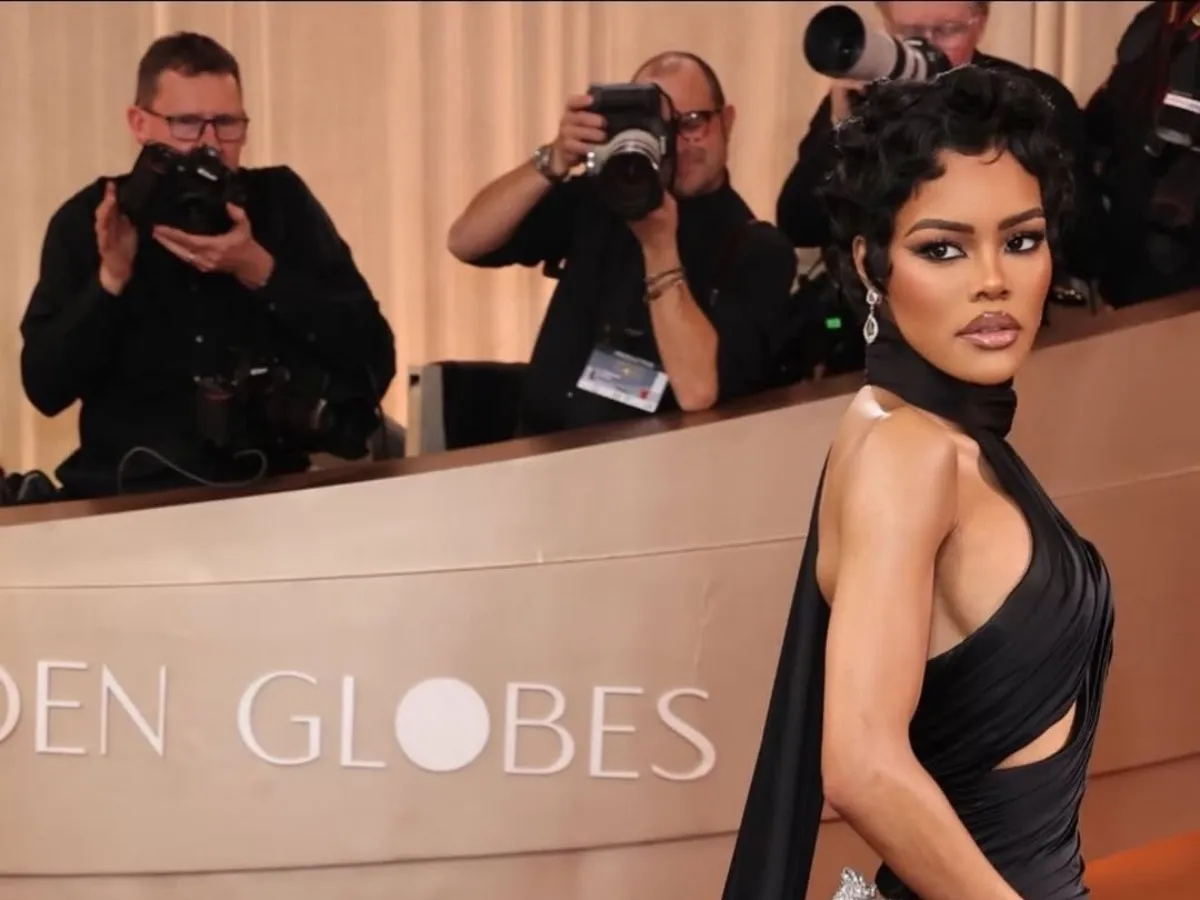
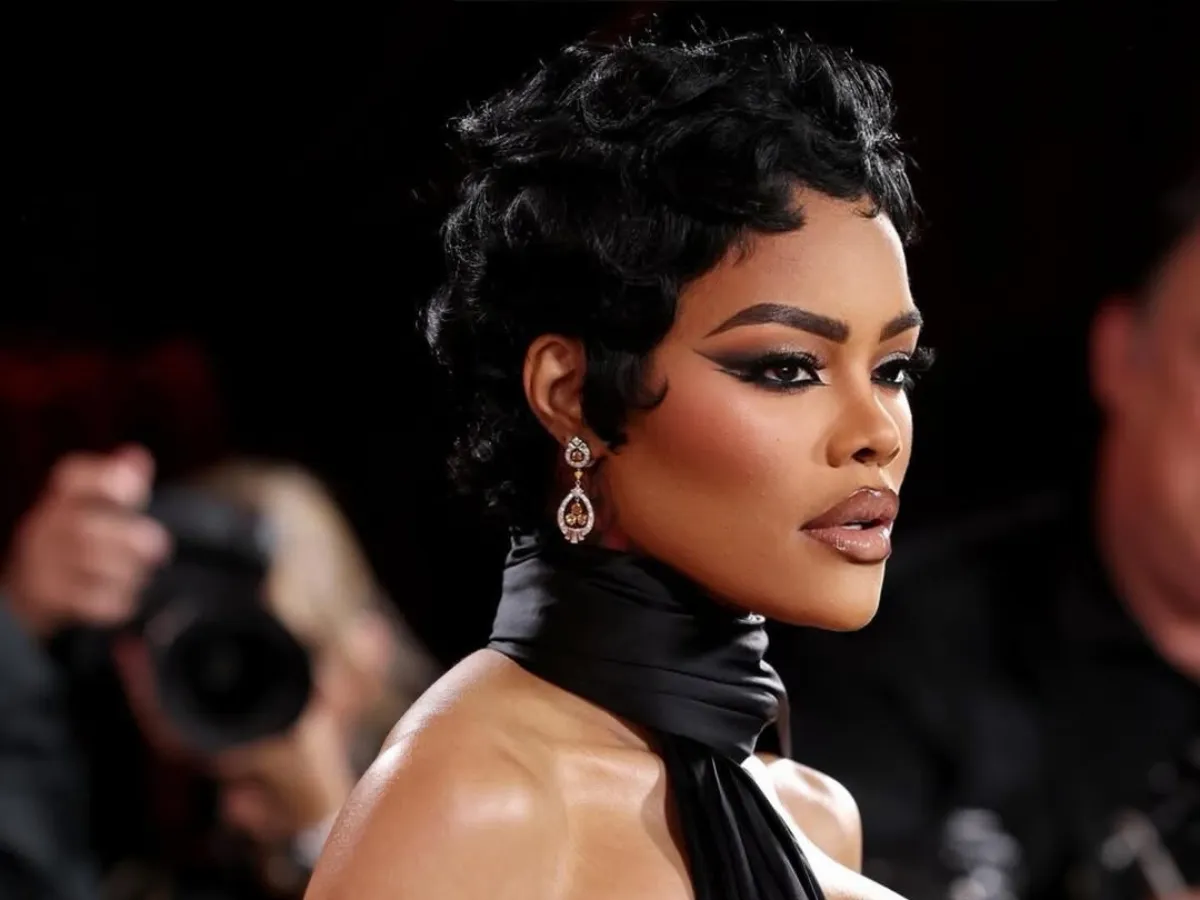
You notice it the second the images surface. Something feels different. Not louder. Not bigger. Just smarter. When Teyana Taylor stepped onto the Golden Globes red carpet wearing archival pieces from Tiffany & Co., the moment carried weight. This was not about sparkle for sparkle’s sake. This was about symbolism, structure, and meaning.
At Ken Walker Jewelers, conversations often begin with understanding why a piece feels right, not just how it looks. In a community like Gig Harbor, WA, clients value meaning, history, and honesty. Surrealist jewelry fits naturally into that mindset.
You are seeing Surrealist Jewelry return to public view with purpose. Not as nostalgia. But as a language that speaks clearly to modern fashion readers, stylists, and collectors who value context as much as craftsmanship.
What Surrealist Jewelry Means Today
Surrealist jewelry does not whisper. It speaks in symbols. You see unexpected proportions. You see forms inspired by the body, by dreams, by imagination that feels almost mischievous. The movement has deep ties to couture and fashion history, often linked with designers such as Schiaparelli, where jewelry became wearable thought rather than simple decoration.
On the red carpet, surrealist jewelry functions like punctuation. It pauses the eye. It asks a question. You are not told what to think, but you are invited to look closer. That invitation is what made Teyana Taylor’s choice resonate so strongly.
Why This Red Carpet Moment Matters to You
If you follow red carpet styling, you know trends often appear there first. But this was not trend chasing. This was alignment. Teyana Taylor’s styling showed how surrealist forms work in modern fashion without overwhelming the wearer.
If you are a jewelry historian or collector, you saw validation. Pieces rooted in conceptual design still hold space in contemporary culture. They are not limited to museum cases or editorials. They move, they live, they photograph well, and they invite conversation.
If you work in fine jewelry or couture, this moment offers clarity. Jewelry does not need excess to make an impact. It needs intention.
Surrealist Jewelry and Modern Wearability
You might assume surrealist jewelry belongs only to editorial spreads or gala evenings. That assumption is slowly fading. What you are seeing now is adaptation. Designers and stylists are translating surrealist ideas into pieces that can function across settings.
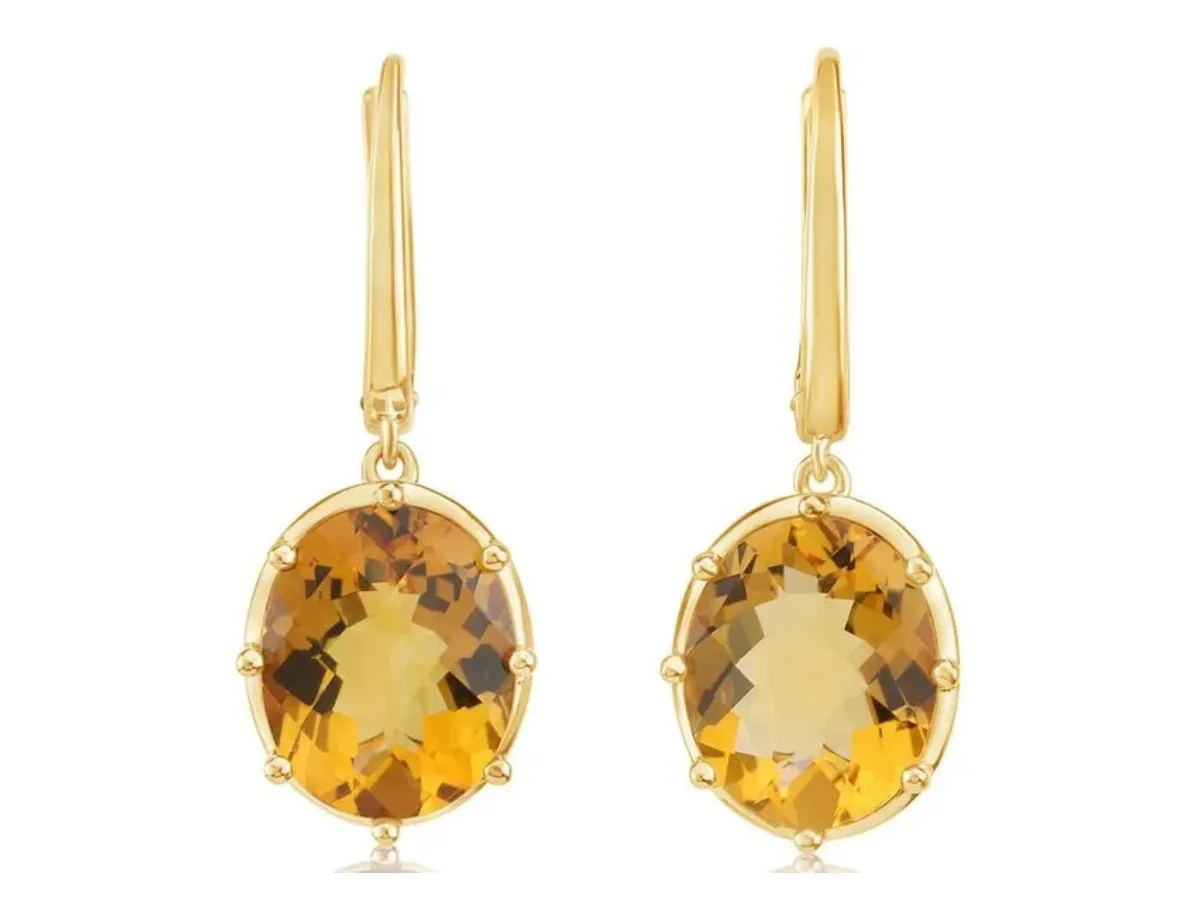
Think of a necklace that feels architectural rather than ornate. Or earrings that reference form rather than symmetry. These pieces still draw attention, but they do so thoughtfully.
Fashion History Without the Lecture
Let us be honest. Jewelry history can sometimes feel like a long road trip without snacks. But moments like this make it accessible. You do not need a textbook to understand why the look worked. You felt it.
The red carpet became a classroom without desks. The lesson was simple. Jewelry can express identity without shouting. It can reference the past while speaking to the present. It can feel playful and serious at the same time.
That balance is what keeps surrealist jewelry relevant.
Commercial and Collectible Value Without the Pressure
You are not being told what to buy. That matters. Definitive opinions tend to age poorly. What you are being shown instead is possibility.
Archival-inspired surrealist pieces often appeal to collectors because they resist trend fatigue. They are not tied to a single season. They hold interest because they ask something of the viewer.
For professionals, these designs create talking points. For clients, they create connection. For stylists, they create images that linger.

How This Influences Future Jewelry Choices
You may find yourself asking different questions now. Not “Is it flashy?” but “What is it saying?” Not “Is it popular?” but “Does it feel intentional?”
That shift is subtle, but it matters. It changes how collections are built. It changes how clients are guided. It changes how jewelry is worn.
In places like Gig Harbor, where relationships matter more than rush, that shift aligns naturally with how jewelry should be experienced.
Final Thoughts Without the Final Word
Teyana Taylor’s archival Tiffany and Company appearance did not try to define surrealist jewelry. It simply reminded you why it matters. The red carpet became a mirror, reflecting how fashion, history, and personal expression can coexist.
You are left with questions, not answers. And that is exactly the point.
Frequently Asked Questions
What is surrealist jewelry?
Surrealist jewelry uses symbolic forms, unexpected shapes, and conceptual design to express ideas rather than decoration alone.
Why did archival Tiffany and Company pieces stand out on the red carpet?
Archival pieces carry design history and structure that translate well in high-visibility settings without feeling dated.
Is surrealist jewelry wearable outside formal events?
Yes. Many modern designs adapt surrealist elements into balanced pieces suitable for everyday wear.
Does surrealist jewelry appeal to collectors?
Collectors often value surrealist jewelry for its design depth, historical context, and lasting relevance.
Where can you learn more about meaningful jewelry design locally?
Jewelry professionals at Ken Walker Jewelers in Gig Harbor, Washington focus on education, history, and thoughtful guidance.