
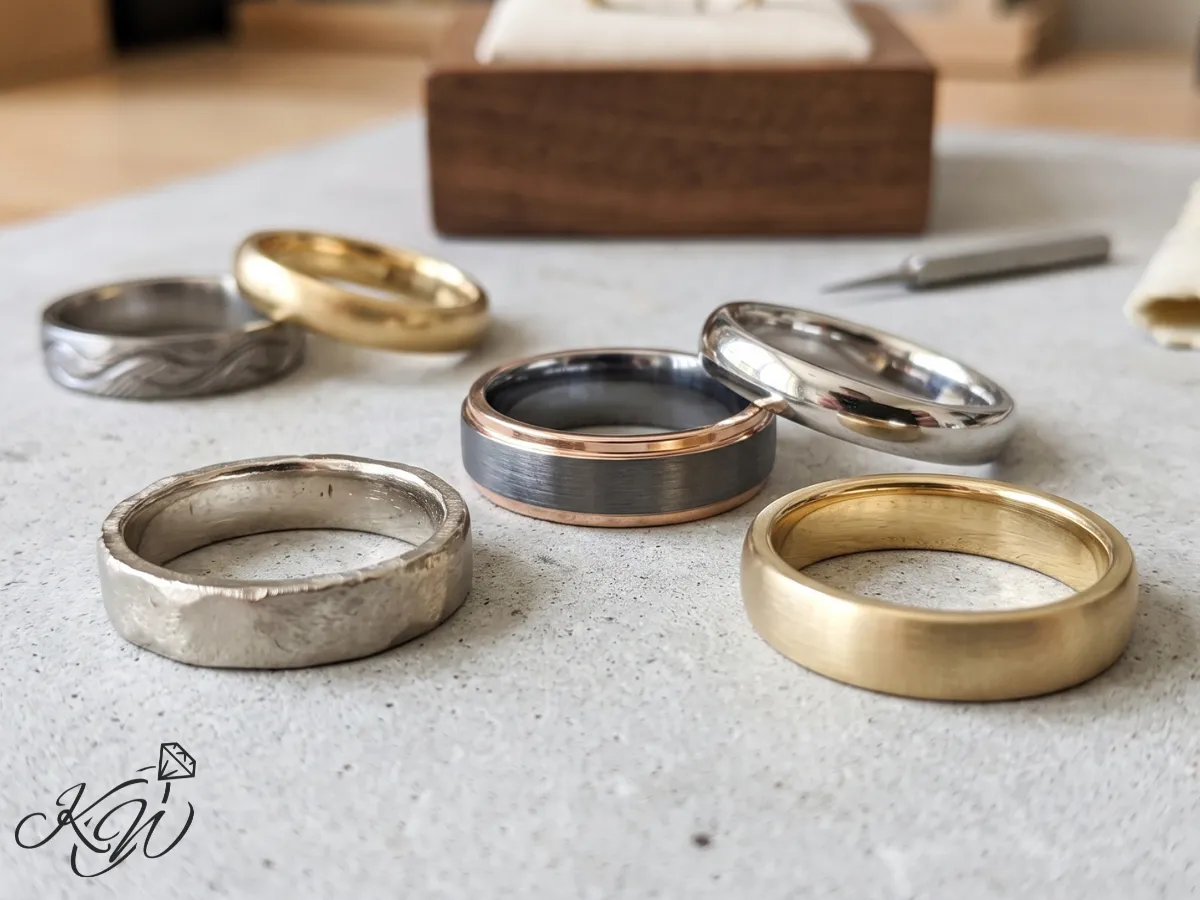
Picking a wedding band is one of the most exciting choices you will make when preparing for your big day. While you might spend a lot of time looking at metal types, width, and surface finishes, the interior shape of the ring is just as important. The way the inside of a ring is rounded or flattened changes how it feels on your hand every single day. Balancing your personal preference for Fit & Comfort with your daily activities will help you select a piece of jewelry you love wearing for decades.
At Ken Walker Jewelers, we believe every customer deserves clear, simple guidance when selecting personal jewelry. This guide breaks down the differences between standard fit and comfort fit bands so you can make an informed choice that works for your lifestyle and budget.
Key Takeaways:
- Standard fit bands are flat on the inside, while comfort fit bands have a rounded interior surface.
- Comfort fit rings glide over larger knuckles more easily due to their curved inside edge.
- Comfort fit bands use slightly more metal, which can make them slightly heavier and slightly higher in cost.
- You may need a half-size smaller in a comfort fit ring compared to a standard fit ring.
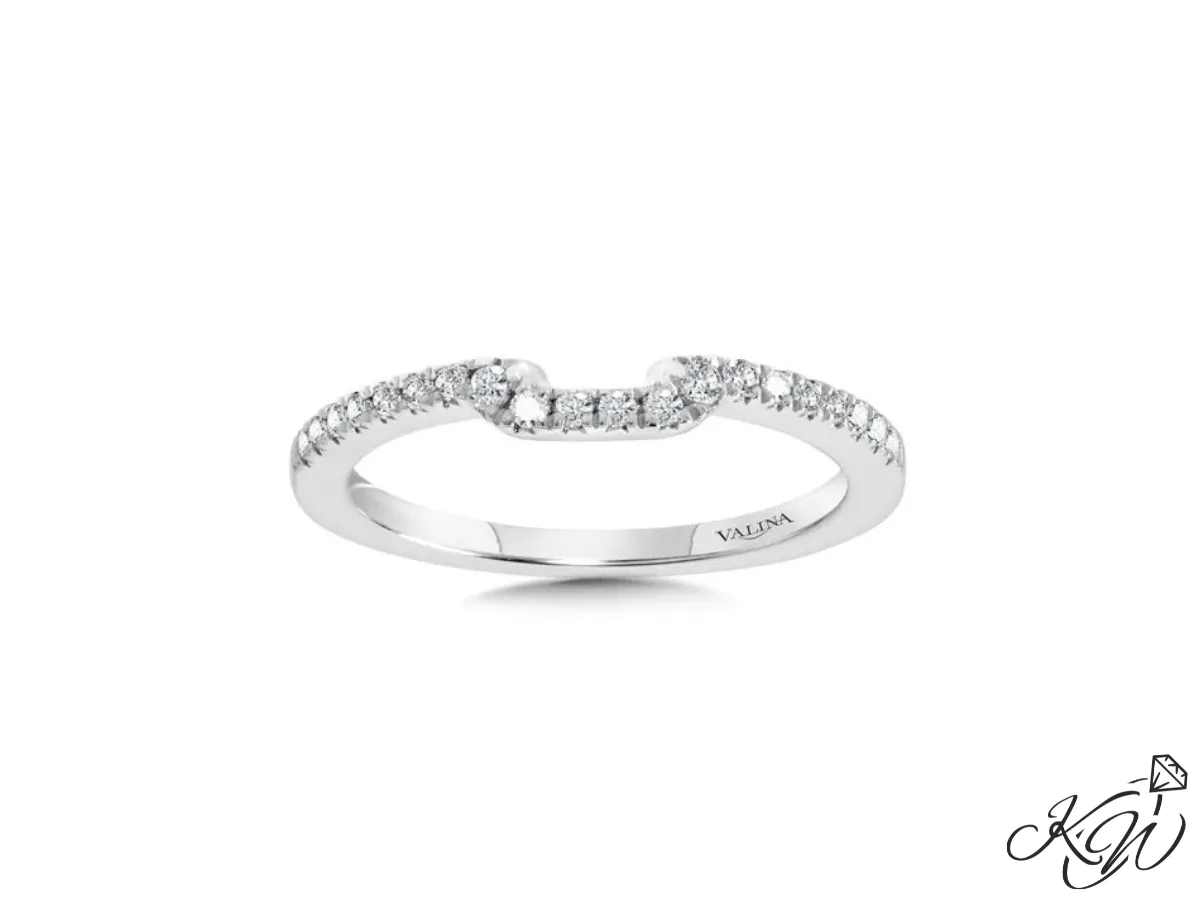
What Is a Standard Fit Band?
A standard fit band is crafted with a flat interior surface. The inside of the ring matches the outside flat wall, creating a simple cylinder shape. This is the traditional way wedding bands were made for generations.
Because the interior is flat, the entire inner surface of the ring rests directly against your skin. This style remains common today, especially in classic, traditional designs and narrower ring styles.
Characteristics of Standard Fit Bands
- Flat Interior Profile: The inside wall of the band is completely straight from edge to edge.
- Traditional Construction: This is the classic style used in historical band designs.
- Direct Skin Contact: The ring sits flush against the finger along its full width.
- Common in Narrow Rings: Works very well for thin rings that are 3mm wide or less.
Pros and Cons of Standard Fit Bands
Pros:
- Budget-Friendly: Uses slightly less metal during casting, which helps keep raw material costs lower.
- Low Profile: Sits close to the skin without adding extra height to the band thickness.
- Secure Feeling: Gives a firm, snug feel on the finger that some wearers prefer.
Cons:
- Can Pinch Knuckles: May create friction or catch when sliding over larger finger joints.
- Traps Moisture: A flat profile can hold water or sweat against the skin on wider bands.
- Harder to Remove: Takes a bit more effort to pull off at the end of the day.
What Is a Comfort Fit Band?
A comfort fit band features a rounded interior surface. Instead of being flat, the inside of the ring domes slightly outward toward the center. This design means the edges of the ring curve away from your finger rather than sitting flat against it.
Because of this gentle curve, less metal makes contact with your skin at any single point. This shape allows the ring to slide over your knuckle with far less friction. Comfort fit designs are very popular today for men and women selecting medium or wide bands.
Characteristics of Comfort Fit Bands
- Domed Interior Profile: The inside center of the band is thicker than the outer edges.
- Reduced Friction: The curved edges minimize resistance as the ring moves across the finger joint.
- Thicker Ring Wall: Requires additional metal to create the inner curve.
- Standard for Modern Bands: Commonly recommended for rings that are 4mm wide or larger.
Pros and Cons of Comfort Fit Bands
Pros:
- Smooth Application: Glides easily over large or stubborn knuckles.
- Soft Daily Touch: Reduces pinching when making a tight fist or gripping objects.
- Better Airflow: Allows slight air space near the curved edges, helping prevent skin irritation from trapped moisture.
Cons:
- Slightly Higher Cost: The extra metal needed for the domed center increases the overall weight and price.
- Feels Deceptively Loose: Can trick wearers into thinking the ring is too big if they are used to a flat fit.
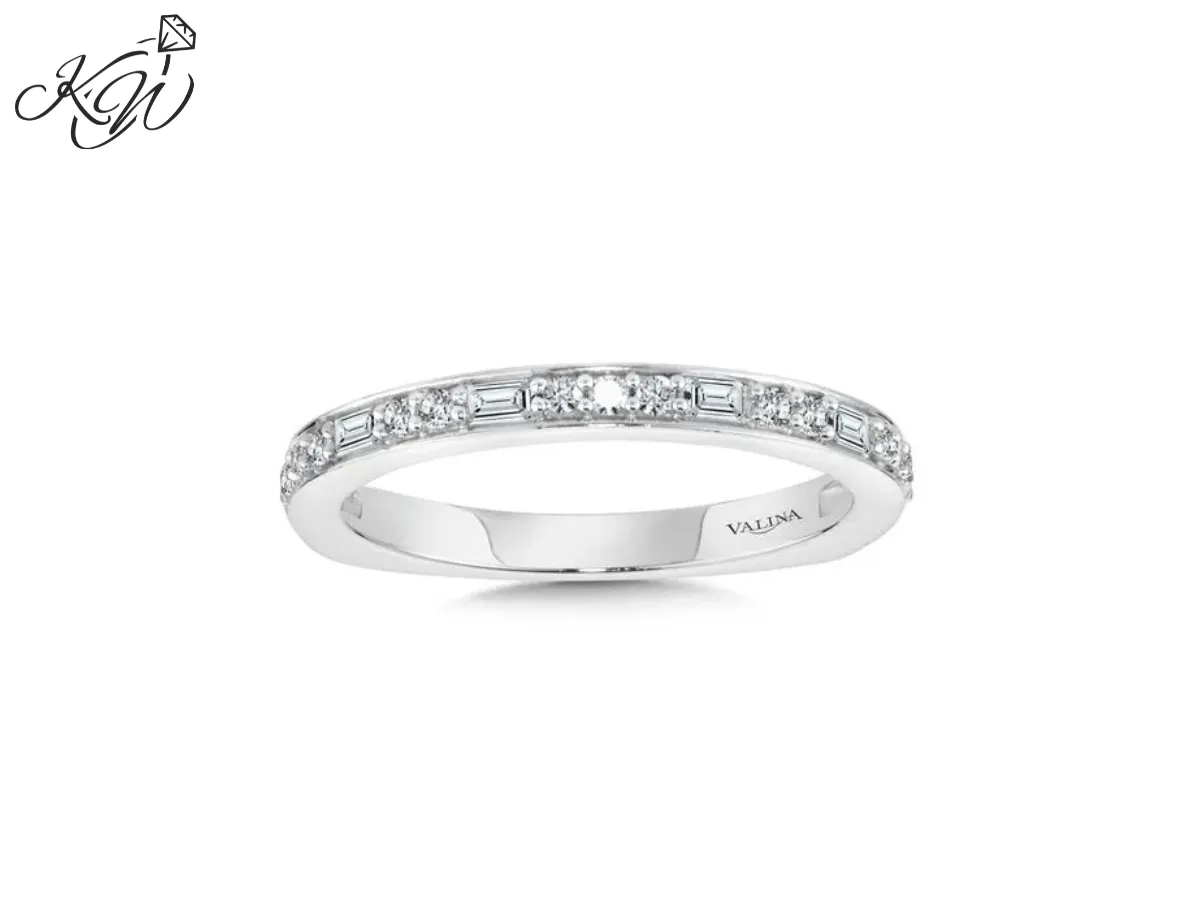
Key Differences: Standard Fit vs Comfort Fit
Understanding how these two styles compare side by side makes it easier to choose the right style for your hands. Below is a detailed breakdown of how standard fit and comfort fit bands compare across major categories.
|
Feature |
Standard Fit Band |
Comfort Fit Band |
|
Inside Profile |
Flat and straight across |
Curved and domed in the middle |
|
Skin Contact |
Full contact across the entire width |
Reduced contact due to rounded center |
|
Sizing Feel |
Fits true to standard flat sizing gauge |
Feels roomier; often requires half a size down |
|
Best Ring Widths |
Narrow bands (1mm to 3mm) |
Medium to wide bands (4mm to 8mm+) |
|
Knuckle Movement |
Can pull or catch on larger joints |
Glides smoothly over joints |
|
Metal Weight |
Lighter weight |
Slightly heavier due to interior curve |
|
Price Point |
Lower overall metal cost |
Slightly higher due to extra metal |
Key Insight: The main difference between standard and comfort fit comes down to interior shape and metal thickness. Neither style is objectively better than the other; the right choice depends on your finger shape, band width, and personal feel.
How Ring Fit Affects Sizing
Selecting the correct size is a critical step when buying a wedding band. Standard fit and comfort fit bands do not feel the same on your finger, even if they are marked with the exact same size number.
Because a comfort fit ring is domed on the inside, it touches less of your finger. This reduced contact makes the ring feel looser than a flat band of the same size.
Helpful Sizing Guidelines
- Comfort Fit Adjustments: Most people order a comfort fit ring one-quarter to one-half size smaller than their standard ring size.
- Band Width Impact: Wider rings (6mm or wider) cover more skin area and feel tighter than thin rings. You may need to adjust your size upward for wider styles.
- Finger Swelling: Fingers naturally expand and shrink due to heat, humidity, workouts, and time of day.
- Professional Fitting: Always test physical ring sizers in both flat and curved styles at a local store like Ken Walker Jewelers before ordering.
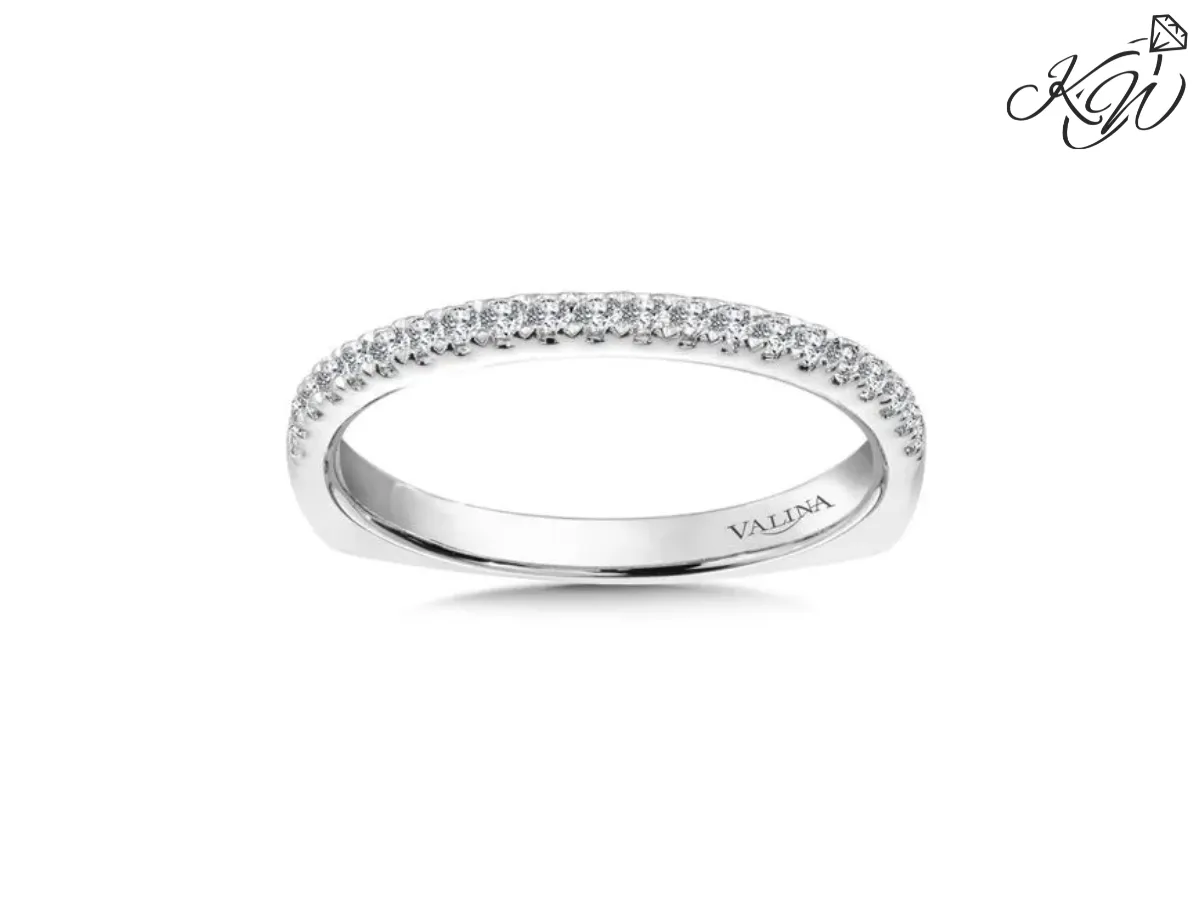
Which Ring Fit Is Right for You?
Selecting between these two styles depends on your daily routines, physical comfort, and budget preferences.
You Might Prefer a Standard Fit Band If:
- You are selecting a narrow ring style (3mm wide or smaller).
- You want to keep metal costs down to fit a tighter budget.
- You prefer a thin ring profile that sits very low against your skin.
- You do not suffer from finger swelling or knuckle friction.
You Might Prefer a Comfort Fit Band If:
- You are choosing a medium or wide ring style (4mm wide or larger).
- You have larger knuckles and smaller finger bases.
- You work with your hands, lift weights, or do manual labor.
- You take your ring off often for work, hobbies, or cleaning.
- You experience hand swelling throughout the day.
Care and Maintenance Tips for Wedding Bands
No matter which interior profile you choose, proper care keeps your band looking great and sitting comfortably on your hand for years to come.
- Clean Your Ring Regularly: Wash your band with warm water, mild dish soap, and a soft toothbrush to remove oils, dirt, and lotion buildup.
- Schedule Professional Inspections: Bring your ring to Ken Walker Jewelers regularly to check for metal wear, polish out surface scratches, and clean hard-to-reach areas.
- Remove Rings During Heavy Work: Take off your metal bands when working with harsh household chemicals, heavy equipment, or free weights to avoid denting the metal.
- Monitor Your Fit Over Time: Body changes can alter your ring size over the years. If your ring becomes too tight or too loose, consult with a trusted goldsmith to discuss safe resizing options.
Frequently Asked Questions
Can a standard fit ring be changed to a comfort fit ring?
In some cases, a jeweler can machine or grind the inside edges of a thick standard band to soften the inner corners. However, this removes metal from the ring and thins out the band. It is usually best to order a comfort fit design from the start if you want a domed interior.
Do comfort fit bands cost more than standard fit bands?
Yes, comfort fit bands generally cost a bit more. The rounded inside requires extra precious metal to construct the domed profile. The exact price difference depends on the metal type, ring width, and current market value of gold or platinum.
Should I order a different size for a comfort fit band?
Yes. Comfort fit rings usually feel slightly roomier than flat standard bands. Many people choose a half-size smaller for a comfort fit ring compared to their standard ring size. Trying on physical sample rings is the best way to confirm your ideal size.
Are comfort fit rings good for men with large knuckles?
Yes. Comfort fit rings are often recommended for men or anyone with large finger joints. The curved inside edge glides over the knuckle joint much easier than a flat, sharp edge.
How do I know which ring width to choose?
Ring width is a matter of style and hand proportion. Smaller hands or short fingers often suit narrower bands (2mm to 4mm), while larger hands or longer fingers often look balanced with wider bands (6mm to 8mm).
Finding the Best Fit for Your Daily Wear
Selecting the ideal wedding band is a deeply personal choice. Both standard fit and comfort fit options offer long-lasting durability and classic appeal. By keeping your finger shape, lifestyle habits, and band width in mind, you can select a ring that provides lasting Fit & Comfort for every milestone ahead.
At Ken Walker Jewelers, our friendly team is always here to guide you through sizing, metal choices, and design styles without any sales pressure. Visit our shop today to try on standard and comfort fit samples in person and find the ring that feels just right on your hand.
Visit Ken Walker Jewelers
Ready to find your perfect wedding band? Stop by our showroom or contact our team to speak with our experienced jewelers. We are proud to help you celebrate life's special moments with quality jewelry at a fair price.