
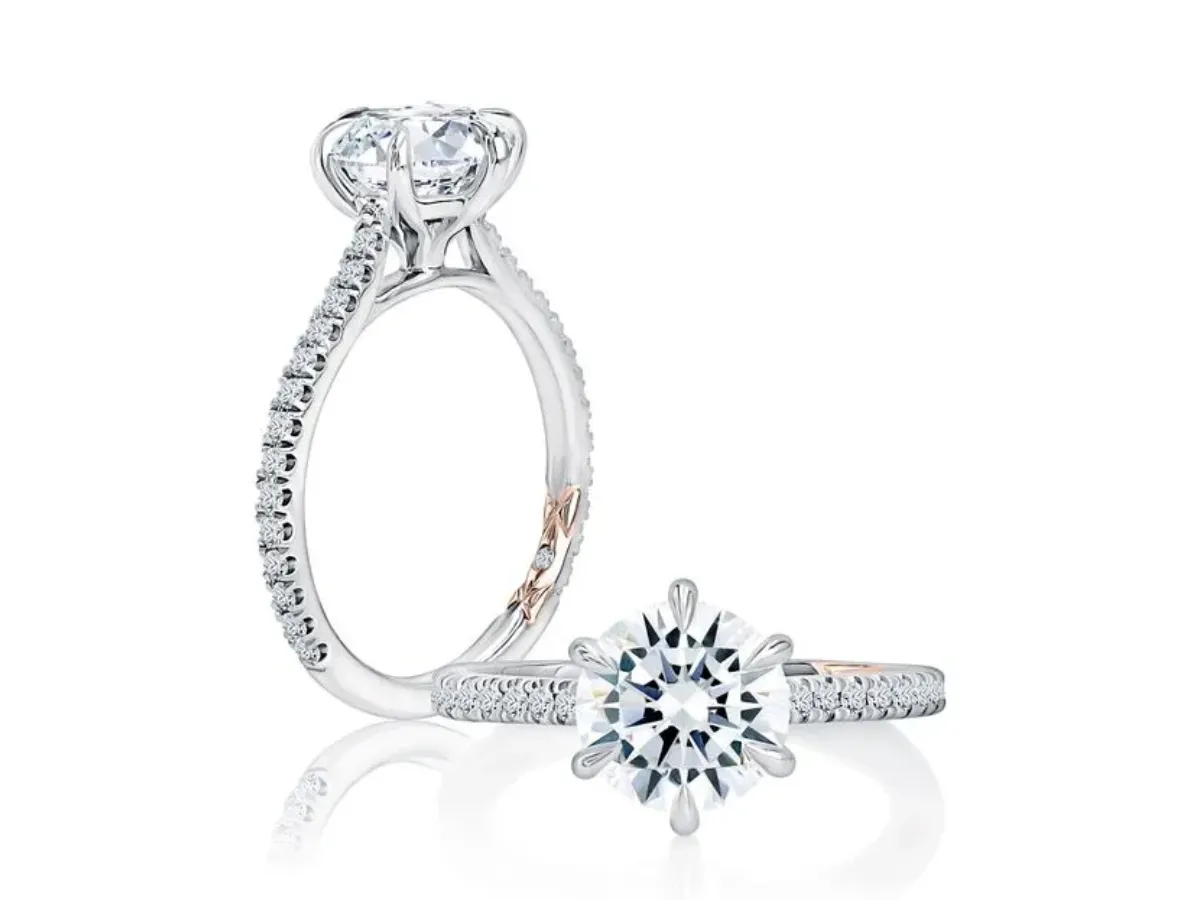
Buying a wedding band is an exciting step in your life. You want a ring that looks beautiful and lasts for many years. When looking at different Diamond Settings, you will find many options. One of the most popular choices is the prong setting. This style is famous for letting diamonds sparkle as much as possible.
In this guide, we will look at how prong settings work. We will talk about the different types, the pros and cons, and how to care for your ring. At Ken Walker Jewelers, we want to help you make an easy, stress-free decision.
Key Takeaways
- Maximum Sparkle: Prong settings let the most light enter your diamonds, creating the highest amount of shine.
- Easy Maintenance: They are easy to clean and repair compared to other designs.
- Snag Risk: Prongs can catch on loose clothing or hair if they are set high.
- Regular Checks: You should get your prongs checked by a professional jeweler once a year to keep your stones safe.
What is a Prong Setting?
To understand why this style is so popular, it helps to know what a prong is. A prong is a small piece of metal that acts like a tiny claw. It reaches up from the base of the ring to grip the diamond.
In a wedding band, these prongs are used to hold a row of smaller diamonds. Because the prongs are small, they do not cover much of the stones. This means more of the diamond is visible.
When you look at different Diamond Settings, you will notice that some show more metal than others. The prong setting is designed to show as little metal as possible. This allows light to enter the diamonds from all sides, which makes them sparkle beautifully. It is a classic design that has been used for hundreds of years.
Types of Prong Settings for Wedding Bands
Not all prong bands are made the same way. Jewelers use a few different methods to set the stones. Knowing these types can help you find the exact look you want.
Here are the most common types of prong designs:
- Shared Prongs: In a shared prong band, two diamonds sit side-by-side and share the same prongs. This means there is less metal between the stones. It creates a continuous line of sparkle along your finger.
- Common Prongs: This is very similar to the shared style. The metal prongs are grouped together to hold the edges of two diamonds. It is a strong option that still lets in plenty of light.
- Claw Prongs: These prongs have a pointed end that looks like a small claw. They are very thin at the point where they touch the diamond. This style can make the diamonds look larger and gives the ring a modern feel.
- Round Bead Prongs: These are small, rounded pieces of metal that hold the stones. They look like tiny beads. They are very smooth and are less likely to catch on your clothing.
- V-Prongs: If your band has diamonds with sharp corners, like princess cut or pear-shaped stones, V-prongs are used. They wrap around the corners to protect them from chipping. This is important because the corners of diamonds are the easiest parts to break.
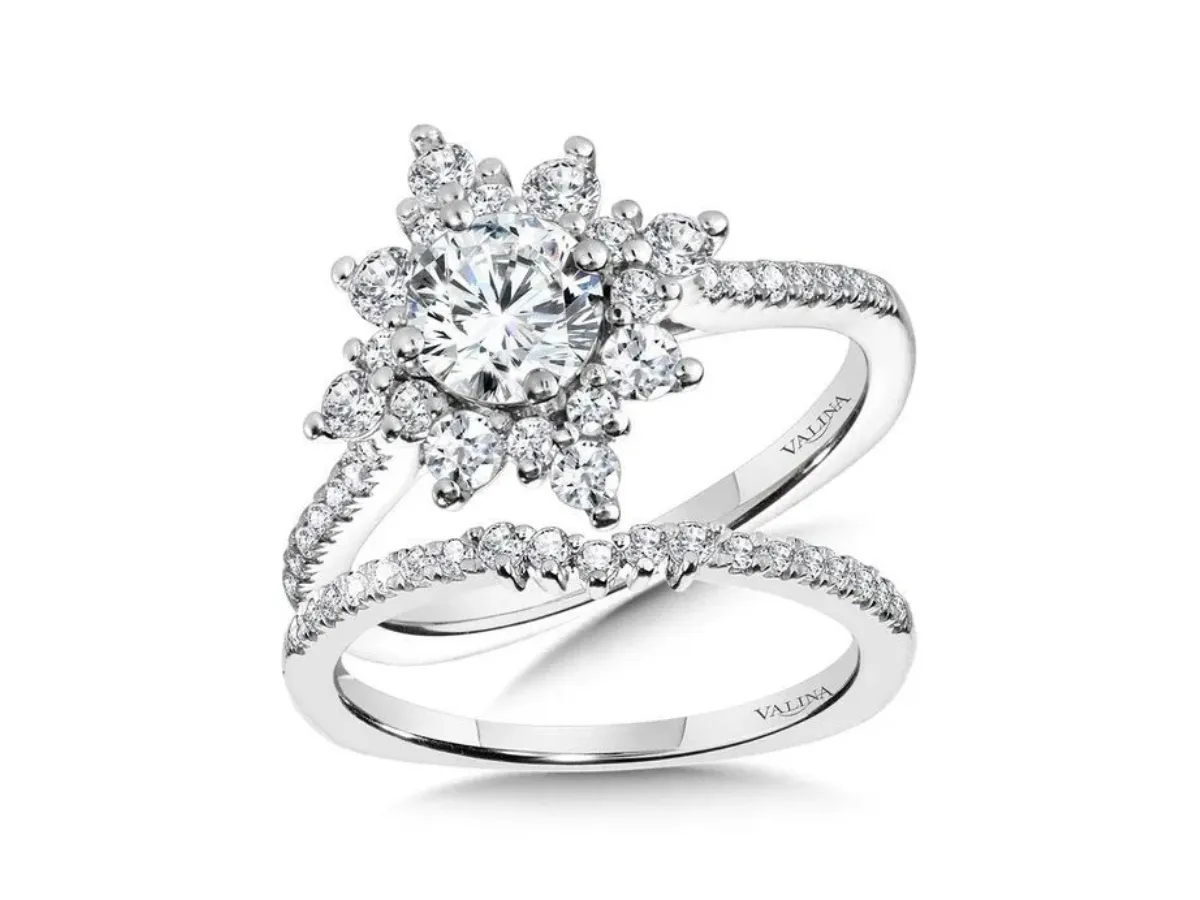
Comparing Diamond Settings for Wedding Bands
It is always a good idea to compare your choices. This helps you see how prongs match up against other popular styles. Here is a comparison of the most common styles you will find in jewelry stores:
|
Setting Type |
Light Reflection (Sparkle) |
Diamond Security |
Ease of Cleaning |
Metal Visibility |
|
Prong |
High |
Medium-High |
Easy |
Low |
|
Bezel |
Medium |
Very High |
Harder |
High |
|
Channel |
Medium |
High |
Harder |
Medium |
|
Pavé |
High |
Medium |
Harder |
Low |
As you can see, each setting has a trade-off. Prongs give you the highest amount of sparkle and are easy to clean. However, they do not protect the edges of the diamonds as well as a bezel or channel setting. If you work with your hands a lot, you might want to think about how active your lifestyle is before choosing.
The Advantages of Prong Set Wedding Bands
There are many reasons why couples choose prong set bands. Here is a list of the main benefits:
- Maximum Light and Sparkle: Because the diamonds are held high, light can enter from above, from the sides, and from the bottom. This makes the diamonds look bright and lively.
- Easy to Keep Clean: Dirt, lotion, and soap can easily get trapped under diamonds. With a prong setting, there are open spaces under the stones. This makes it easy to wash away dirt so your ring stays shiny.
- Classic and Timeless: This style has been loved for generations. It matches almost any engagement ring, whether your ring is modern or vintage.
- Budget-Friendly Options: Because these bands use less metal, they can be more affordable to make. You can also pair them with budget-friendly stones like lab-grown diamonds or moissanite to get a big look for less money.
- Easy to Repair: If a prong gets damaged, a skilled jeweler can usually fix it quickly. This is much easier than fixing a damaged channel or tension setting.
The Disadvantages of Prong Set Wedding Bands
While there are many great things about this style, it is important to be honest about the downsides. Here are some things to keep in mind:
- Can Catch on Fabrics: Because the prongs stick up, they can catch on sweaters, blankets, or hair. This can be annoying and can sometimes bend the prongs.
- Metal Wears Down: Every time your ring rubs against something, a tiny amount of metal wears away. Over many years, prongs can get thin and weak.
- Risk of Losing Stones: If a prong bends or breaks, there is nothing holding the diamond in place. The stone can easily fall out without you noticing.
- Exposed Diamond Edges: The sides of the diamonds are not covered by metal. This means they can chip if you hit your hand against a hard surface like a counter or door frame.
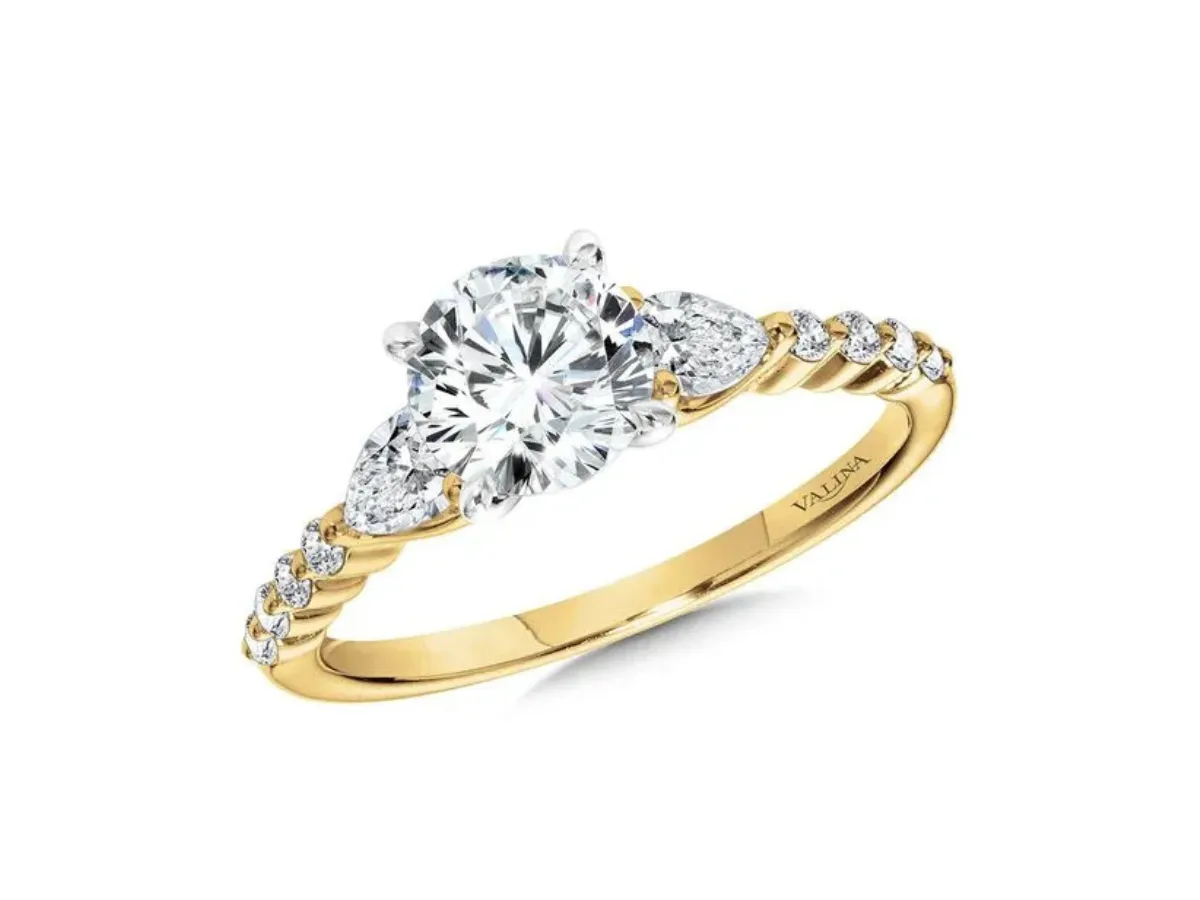
Choosing the Right Metal for Your Band
The metal you choose for your wedding band is just as important as the diamonds. The metal holds the stones, so you want something strong. Here are the most common metals used for prong bands:
Platinum
Platinum is a white metal that is very strong and heavy. It does not wear away over time like gold does. If you hit a platinum prong, the metal will bend but it rarely breaks. This makes it the safest choice for holding your diamonds, though it does cost more.
White Gold
White gold is a beautiful and popular choice. It is strong and has a bright white look because it is plated with a metal called rhodium. Over time, this plating can wear off, and you will need to have your jeweler re-plate it to keep it looking white.
Yellow Gold
Yellow gold is classic and warm. It is a softer metal, which means yellow gold prongs will wear down faster than platinum or white gold. You will need to have a jeweler check them more often.
Rose Gold
Rose gold has a lovely pink color. It is made by mixing gold with copper. Because copper is a very hard metal, rose gold is actually stronger and more durable than yellow gold.
How to Care for Your Prong Set Band
To keep your wedding band looking beautiful and to make sure your diamonds stay safe, you need to take care of it. Here is a simple guide to caring for your ring:
- Clean it at home: Soak your ring in a bowl of warm water with a few drops of mild dish soap for 10 to 15 minutes.
- Brush gently: Use a very soft toothbrush to gently scrub the ring. Pay close attention to the spaces under the diamonds where dirt builds up.
- Rinse and dry: Rinse the ring in warm water and dry it with a soft, lint-free cloth.
- Do the "Wiggle Test": Every few weeks, gently hold the ring close to your ear and tap the diamonds with a toothpick. If you hear a clicking sound or see a stone move, the prongs are loose.
- Take it off during rough work: Do not wear your ring when doing dishes, gardening, lifting weights, or cleaning with harsh chemicals.
- Visit Ken Walker Jewelers: Bring your ring to us once a year. We will inspect the prongs under a microscope to make sure they are strong and secure.
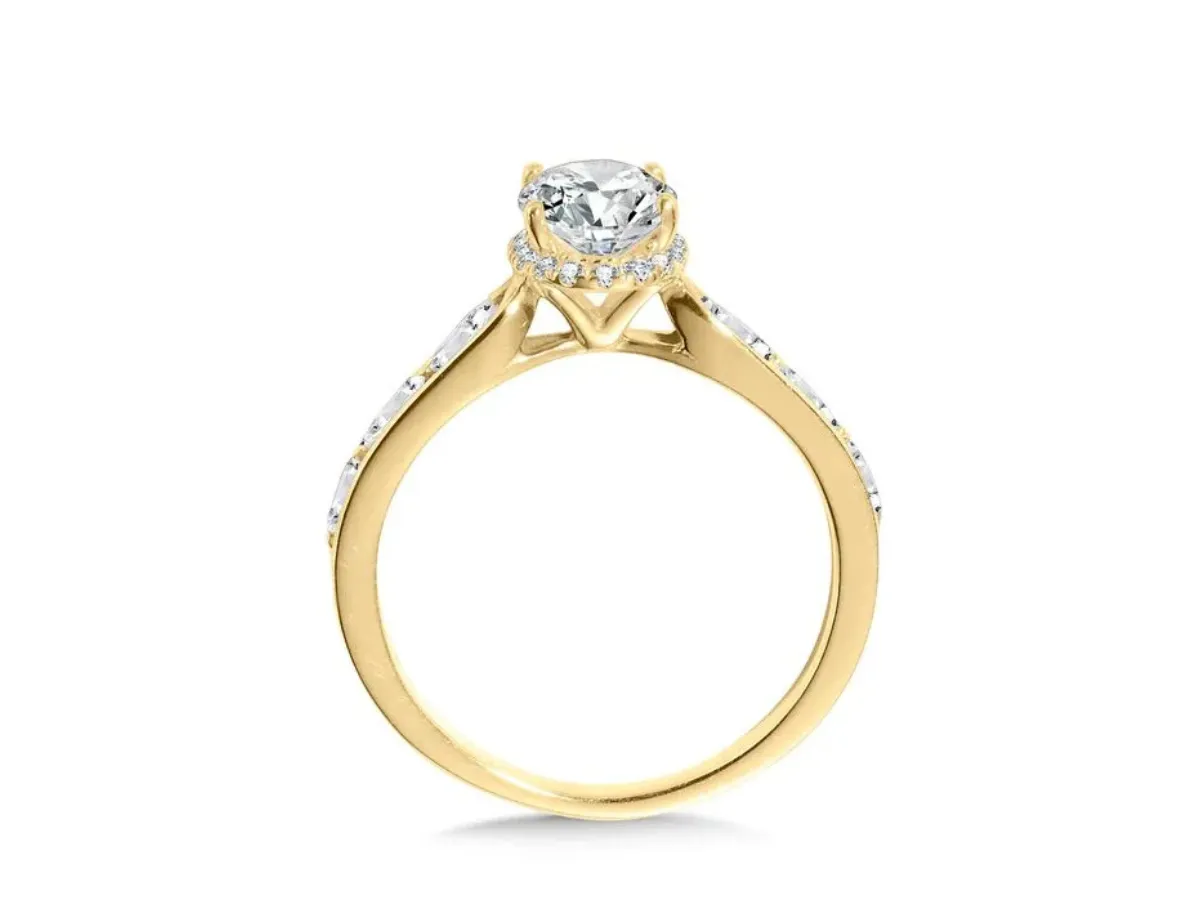
Budget-Friendly Alternatives for Your Wedding Band
At Ken Walker Jewelers, we want everyone to find a ring they love at a price they can afford. If you want the look of a diamond prong band but have a tight budget, you have great options:
- Lab-Grown Diamonds: These are real diamonds made in a lab instead of being mined from the earth. They look exactly the same and are just as durable, but they cost much less. This is a great way to get larger stones for your band.
- Moissanite: Moissanite is a natural mineral that is now made in labs for jewelry. It is almost as hard as a diamond and sparkles even more. It is a beautiful and budget-friendly choice that lasts a lifetime.
- 14k Gold: Choosing 14k gold instead of 18k gold or platinum is a great way to save money. It is actually more durable because it contains more alloy metals, making it perfect for everyday wear.
Why Choose Ken Walker Jewelers?
We have been helping our community celebrate milestones for over 50 years. We believe that buying jewelry should be a happy, stress-free experience.
Our staff is friendly and down-to-earth. We do not use high-pressure sales tactics. We want to educate you so you can make the best choice for your budget and style.
We offer a wide range of services, including custom designs, jewelry repairs, and appraisals. If you have an old family ring, we can even help you use those diamonds to make a new, custom wedding band. Come visit us to see how we can help you.
Conclusion
Prong set wedding bands are a beautiful, classic choice. They offer unmatched sparkle and a timeless design that you will love for years to come. By choosing the right metal and taking care of your ring, you can enjoy its beauty every day.
If you want to look at different Diamond Settings in person, stop by Ken Walker Jewelers. We are always here to give you honest, caring advice.
Frequently Asked Questions
Are prong settings safe for everyday wear?
Yes, they are safe if they are made well and checked regularly. However, because the stones are more exposed than in a channel setting, you should take your ring off during rough activities.
Do prong set bands catch on clothing?
They can catch on loose knits or hair, especially if the prongs are set high. Choosing a low-profile prong setting or rounded bead prongs can help reduce this issue.
How often should I have my wedding band prongs checked?
We recommend having your prongs checked by a professional jeweler at least once a year. This helps catch any loose stones or worn metal before a diamond is lost.
Can a prong set wedding band be resized?
Most prong set bands can be resized easily if they are not full eternity bands. A full eternity band has diamonds all the way around, which makes resizing very difficult.
What is the difference between a prong setting and a bezel setting?
A prong setting uses small metal claws to hold the diamond, leaving the sides open to let in light. A bezel setting wraps a metal collar all the way around the diamond, which offers more protection but lets in less light.