
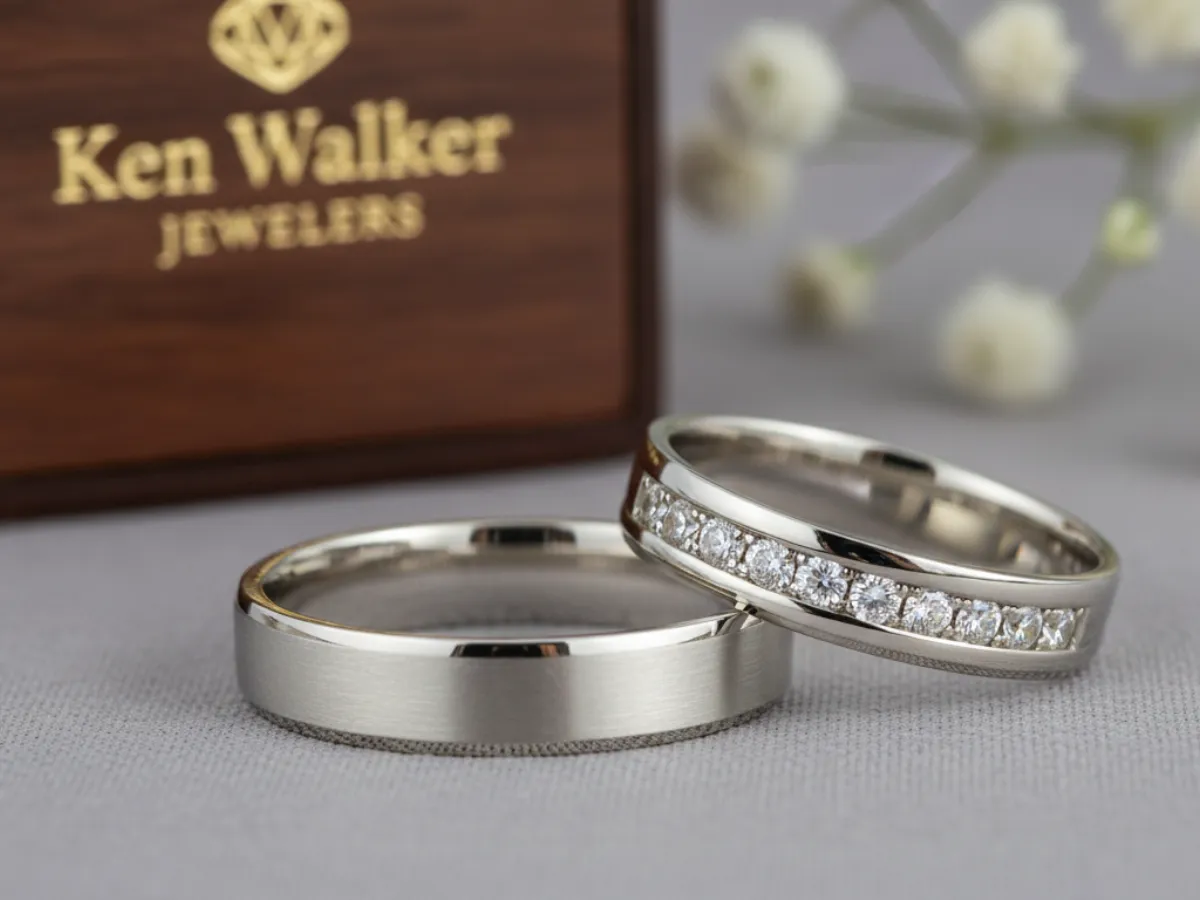
Choosing a wedding band is a very personal decision. You want a ring that not only symbolizes your commitment but also stands the test of time. When considering your options, platinum and precious metals often come to mind. Platinum wedding bands have a special appeal that makes them a popular choice for many couples. This guide will help you understand what makes these rings unique and why they might be the perfect fit for you.
Key Takeaways:
- Platinum is a naturally white metal, offering lasting beauty without needing re-plating.
- It is very pure, making it a good choice for people with sensitive skin.
- Platinum is strong and durable, holding gemstones securely and resisting wear.
- Over time, platinum develops a soft, satiny finish called a patina.
- Proper care helps keep your platinum band looking its best for many years.
What Makes Platinum Wedding Bands Special
Platinum wedding bands are known for several qualities that set them apart. They offer a combination of beauty, strength, and purity that many people find appealing. When you choose platinum, you are selecting a metal that carries a sense of lasting value and tradition.
Here are some reasons why platinum is considered special:
- Natural White Color: Unlike white gold, which is yellow gold mixed with other metals and plated with rhodium, platinum is naturally white. This means its color will not fade or change over time.
- High Purity: Platinum jewelry is often 90-95% pure platinum. This high level of purity contributes to its unique properties.
- Durability: Platinum is a very dense and strong metal. It can withstand daily wear and resist damage better than some other metals.
- Hypoallergenic: Because of its purity, platinum is a good choice for people who have allergies to other metals, such as nickel.
- Symbolism: Platinum has long been associated with lasting love and commitment, making it a fitting choice for a wedding band.
The Purity of Platinum
One of the most important aspects of platinum is its purity. Most platinum jewelry is 90% to 95% pure platinum, with the remaining percentage being other platinum group metals. This high purity is a key factor in many of its benefits.
Consider these points about platinum's purity:
- Less Mixed Metals: With such a high percentage of pure platinum, there are fewer other metals mixed in. This can be important for both appearance and comfort.
- Lasting Color: The natural white color comes from its inherent purity, so you do not have to worry about the color wearing off.
- Density: Platinum's high density is also related to its purity. This makes platinum feel heavier and more substantial than other metals of the same size.
Hypoallergenic Qualities
For many people, skin sensitivity is a concern when choosing jewelry. Platinum's purity makes it an excellent option if you have allergies.
Here is why platinum is often recommended for sensitive skin:
- Nickel-Free: Many metal allergies are caused by nickel, which is sometimes used in white gold alloys. Platinum jewelry is typically nickel-free.
- Reduced Reactions: The high purity means there are very few other metals that could cause an allergic reaction. This helps prevent skin irritation or discoloration.
- Comfort for Daily Wear: If you plan to wear your wedding band every day, choosing a hypoallergenic metal like platinum can provide greater comfort and peace of mind.
Platinum's Strength and Durability
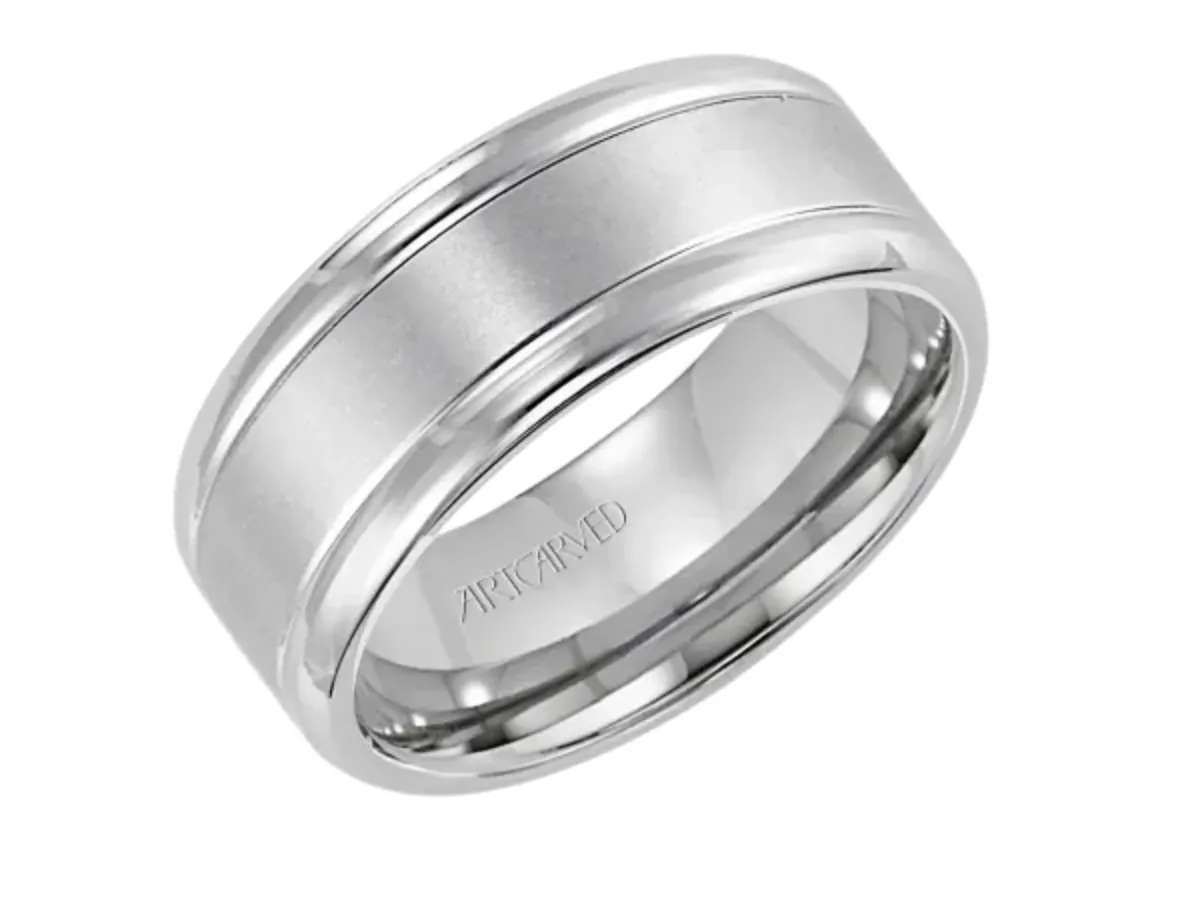
When you select a wedding band, you want a ring that can stand up to the rigors of daily life. Platinum is known for its exceptional strength and durability, which are important qualities for a piece of jewelry you will wear constantly.
Here are ways platinum demonstrates its strength:
- Density: Platinum is a dense metal, which means it is resistant to bending and breaking. This density contributes to its long-lasting nature.
- Resistance to Wear: While no metal is completely indestructible, platinum holds up well to daily wear and tear. It is less likely to chip or crack compared to some other metals.
- Metal Displacement: Instead of wearing away, platinum tends to displace. This means the metal shifts rather than being lost, which helps maintain the ring's weight and integrity over time.
Resisting Scratches and Wear
It is important to understand how platinum interacts with everyday use. While platinum is strong, it is also a softer metal than some others.
Here is what you should know about scratches and wear:
- Surface Scratches: Platinum can develop surface scratches over time. These scratches create a soft, matte finish known as a patina.
- No Material Loss: Unlike other metals where scratches might remove actual material, platinum's scratches simply rearrange the metal. This means your ring does not lose mass.
- Can Be Re-polished: If you prefer a shinier look, a jeweler can polish your platinum ring to restore its original luster.
Holding Diamonds Securely
If your wedding band includes diamonds or other gemstones, the metal that holds them is very important. Platinum's properties make it an excellent choice for securing precious stones.
Consider these benefits for gemstone settings:
- Malleability: Platinum is a malleable metal, meaning it can be shaped without breaking. This allows jewelers to create very secure settings for stones.
- Strong Prongs: Platinum prongs are strong and less likely to break or wear down, which helps keep your diamonds safely in place.
- Color Contrast: The natural white color of platinum can make diamonds appear even brighter and more brilliant by not reflecting any yellow tint into the stone.
The Lasting Beauty of Platinum
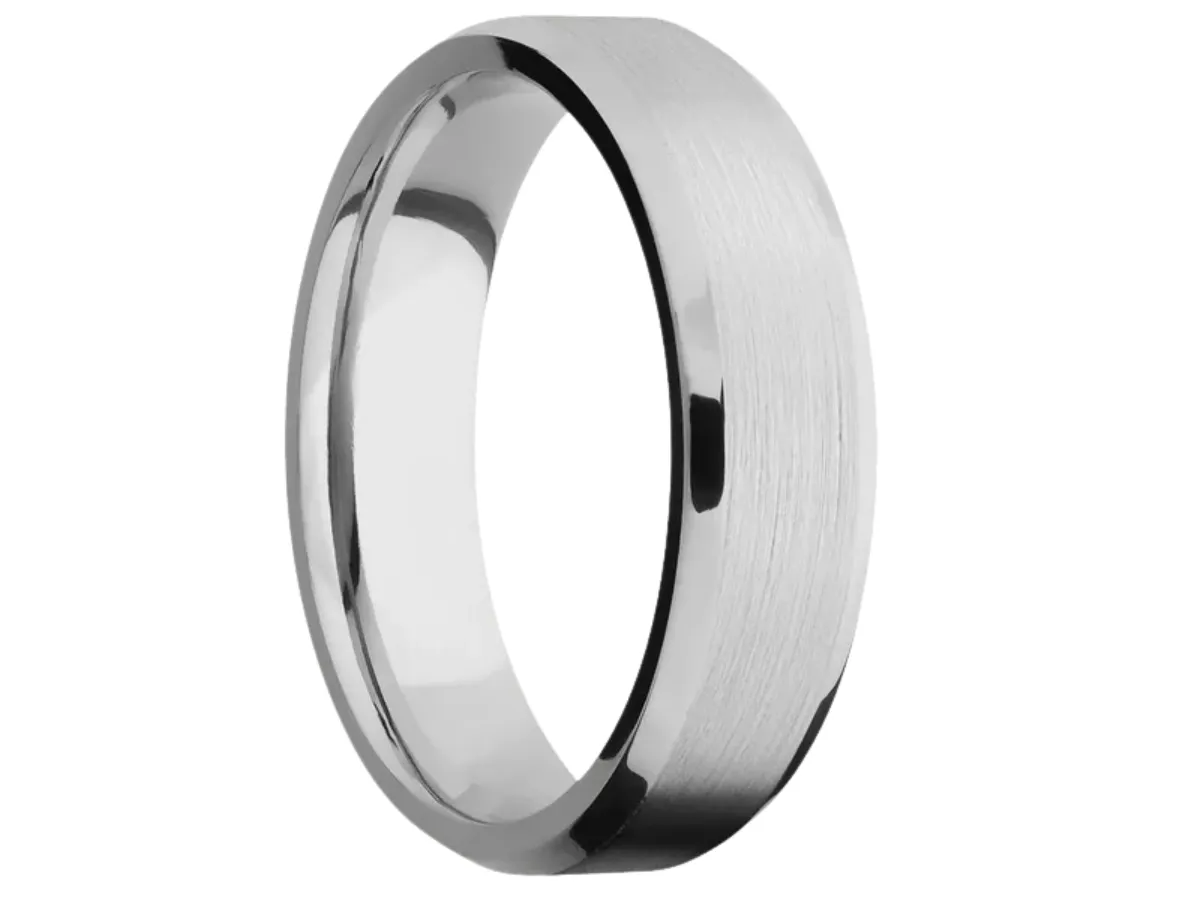
One of the most appealing aspects of platinum is its enduring beauty. A platinum wedding band will maintain its appearance over many years, symbolizing a lasting commitment.
Here are elements that contribute to platinum's lasting beauty:
- Natural Luster: Platinum has a distinct, bright white luster that is naturally beautiful.
- Timeless Appeal: Its classic look does not go out of style, making it a timeless choice for a wedding band.
- A Metal That Ages Gracefully: Platinum does not tarnish or discolor, meaning it will always keep its original color.
Maintaining its Natural White Sheen
The natural white color of platinum is one of its most celebrated features. You do not need to worry about it changing color or needing special treatments to keep it white.
Here is why its white sheen lasts:
- No Plating Needed: Unlike white gold, which is often plated with rhodium to achieve its white color, platinum does not require this. The color is inherent to the metal itself.
- Consistent Color: The color you see on day one is the color you will see decades later, even with daily wear.
- Easy to Clean: Simple cleaning methods are usually enough to keep platinum looking bright and beautiful.
The Patina Effect
As mentioned, platinum develops a unique finish over time called a patina. This is a characteristic that many platinum wearers appreciate.
Understand the patina effect:
- Soft, Muted Finish: The patina is a subtle change in the surface of the metal, where tiny scratches create a soft, satiny appearance.
- Unique to Your Ring: This patina is unique to each wearer, reflecting the way you live and wear your ring. It tells a story.
- Can Be Polished Away: If you prefer the original bright polish, a jeweler can easily restore it. However, many people enjoy the soft glow of a platinum patina.
Caring for Your Platinum Wedding Band
To keep your platinum wedding band looking its best, a little care goes a long way. While platinum is durable, proper maintenance helps preserve its beauty for years to come.
Here are some general care tips:
- Avoid Harsh Chemicals: Try to keep your ring away from strong chemicals, like chlorine bleach or household cleaners, as these can affect the surface.
- Remove During Activities: It is a good idea to remove your ring during activities that might cause heavy impact or abrasion, such as gardening, sports, or heavy lifting.
- Store Separately: When you are not wearing your platinum ring, store it in a soft pouch or a separate compartment in your jewelry box to prevent it from scratching other jewelry or being scratched itself.
Cleaning Your Platinum Jewelry
Cleaning your platinum ring is simple and can be done at home. Regular cleaning will help remove oils and dirt that can dull its shine.
Follow these easy cleaning steps:
- Warm Soapy Water: Fill a small bowl with warm water and a mild dish soap.
- Soak the Ring: Place your platinum ring in the soapy water and let it soak for 10-20 minutes.
- Gentle Scrubbing: Use a soft-bristled brush, like a soft toothbrush, to gently scrub away any dirt or grime. Pay attention to any crevices or around gemstones.
- Rinse Thoroughly: Rinse the ring under clean, running water to remove all soap residue.
- Dry with Soft Cloth: Pat the ring dry with a soft, lint-free cloth.
Regular Check-ups
Even with good home care, it is a good idea to have your platinum wedding band checked by a professional jeweler from time to time.
Here is what a professional check-up can offer:
- Deep Cleaning: Jewelers have professional tools and solutions for a more thorough cleaning.
- Prong Inspection: They can check the prongs that hold any gemstones to make sure they are secure. This is important to prevent stones from becoming loose or falling out.
- Re-polishing: If you want to remove the patina and restore the original high polish, a jeweler can do this for you.
- Overall Condition Assessment: A professional can assess the overall condition of your ring and address any potential issues before they become serious. Ken Walker Jewelers offers these services to help keep your treasured pieces in excellent condition.
Platinum Versus Other Precious Metals
When choosing a wedding band, you have several options for precious metals. Understanding the differences between platinum and other popular choices can help you make an informed decision.
Here is a comparison:
- Weight: Platinum is generally denser and heavier than gold or palladium.
- Color Stability: Platinum maintains its natural white color, while white gold needs re-plating to keep its white appearance.
- Price Point: Platinum is often priced higher than gold due to its rarity, density, and purity.
- Durability: While all precious metals are durable, platinum's unique property of metal displacement means it does not lose material when scratched, unlike gold.
Platinum vs. White Gold
White gold is a very popular choice for wedding bands, but it differs from platinum in several important ways.
Here are key differences between platinum and white gold:
- Composition: White gold is an alloy of yellow gold mixed with white metals, such as nickel, palladium, or silver. It is then typically plated with rhodium to give it a bright white finish. Platinum is a naturally white metal, usually 90-95% pure platinum.
- Maintenance of Color: White gold's rhodium plating wears off over time, causing the ring to show a yellowish tint. It needs to be re-plated every few years to maintain its white color. Platinum's color is natural and will not fade or change.
- Hypoallergenic: Because white gold often contains nickel, it can cause allergic reactions for some people. Platinum is generally hypoallergenic.
- Density and Weight: Platinum is denser and heavier than white gold, giving it a more substantial feel.
- Patina vs. Wear: Platinum develops a soft patina with wear, where the metal displaces. White gold tends to wear away material over time when scratched.
Platinum vs. Palladium
Palladium is another white precious metal that has been used in jewelry. It shares some similarities with platinum but also has distinct differences.
Here is how platinum and palladium compare:
- Family: Both platinum and palladium are members of the platinum group metals.
- Density: Platinum is denser and heavier than palladium. Palladium is lighter, which some people prefer.
- Purity: Both metals are often used in high purity in jewelry, such as 95% pure.
- Hypoallergenic: Both platinum and palladium are generally hypoallergenic.
- Availability: Palladium was once very popular as a jewelry metal but is now less commonly used for new jewelry pieces compared to platinum.
- Durability: Both are durable, but platinum's metal displacement property gives it a unique advantage in retaining mass over time.
Why Choose Ken Walker Jewelers for Your Platinum Band
At Ken Walker Jewelers, we believe in celebrating your milestones with quality jewelry at a fair price. When you are looking for a platinum wedding band, we offer a personal and supportive experience.
Here is what you can expect from us:
- Honest Advice: We provide direct and caring advice to help you understand your options without pressure.
- Customer Education: We want you to feel confident in your choice, so we take the time to explain the qualities of platinum and other metals.
- Personalized Service: We treat our customers like family, offering a comfortable and friendly environment where you feel heard and valued.
- Lasting Relationships: Our goal is to be your jeweler for every stage of life, from engagements to anniversaries and beyond.
- Quality and Craftsmanship: We stand by the quality of our jewelry, offering pieces that are designed to last.
Your wedding band is a symbol of your unique love story. We are here to help you find a platinum band that reflects your commitment and brings you joy for many years.
Frequently Asked Questions
Is platinum a good choice for everyday wear?
Yes, platinum is an excellent choice for everyday wear. Its durability and resistance to wear make it suitable for a ring you will wear constantly. It is also hypoallergenic, which adds to its comfort for daily use.
Does platinum scratch easily?
Platinum can develop surface scratches over time, which create a soft, satiny finish called a patina. However, unlike some other metals, platinum does not lose material when it scratches; the metal simply displaces. This means your ring maintains its weight and integrity. These scratches can also be polished out by a jeweler.
How do I clean my platinum ring at home?
You can easily clean your platinum ring at home using warm water and a mild dish soap. Soak the ring for 10-20 minutes, then gently scrub it with a soft-bristled brush. Rinse it thoroughly under clean water and pat it dry with a soft, lint-free cloth.
Is platinum more expensive than gold?
Generally, platinum is more expensive than gold. This is due to several factors: its rarity, its higher density (meaning more platinum is needed for the same volume), and its high purity in jewelry.
Can platinum rings be resized?
Yes, platinum rings can typically be resized by a skilled jeweler. While platinum is a strong metal, it is also malleable, allowing it to be worked on for adjustments. It is best to have resizing done by a professional to ensure the ring's integrity.