
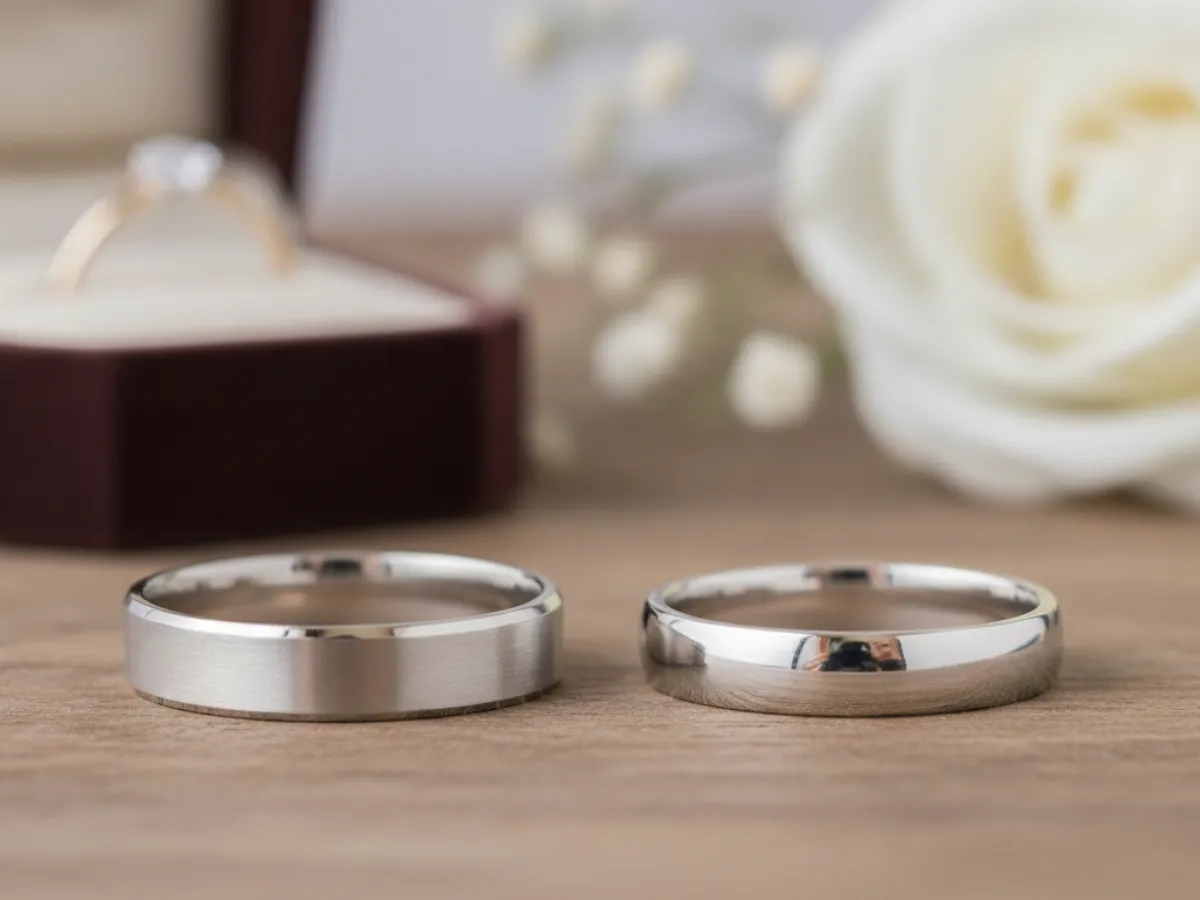
Choosing a wedding band is an important decision. This ring will be a symbol of your commitment for years to come. When you are looking at different metals, platinum and white gold are two very popular choices. Both offer a beautiful white shine, but they have distinct qualities that might make one a better fit for you than the other. Understanding these differences will help you make a confident choice for your special ring.
Key Takeaways:
- Platinum is a naturally white, very durable, and hypoallergenic metal.
- White gold is an alloy (mix of metals) that is coated with rhodium for its bright white color.
- Platinum is denser and heavier than white gold, and it develops a unique "patina" over time.
- White gold needs replating every few years to maintain its bright white look.
- Your lifestyle, budget, and personal preferences should guide your decision.
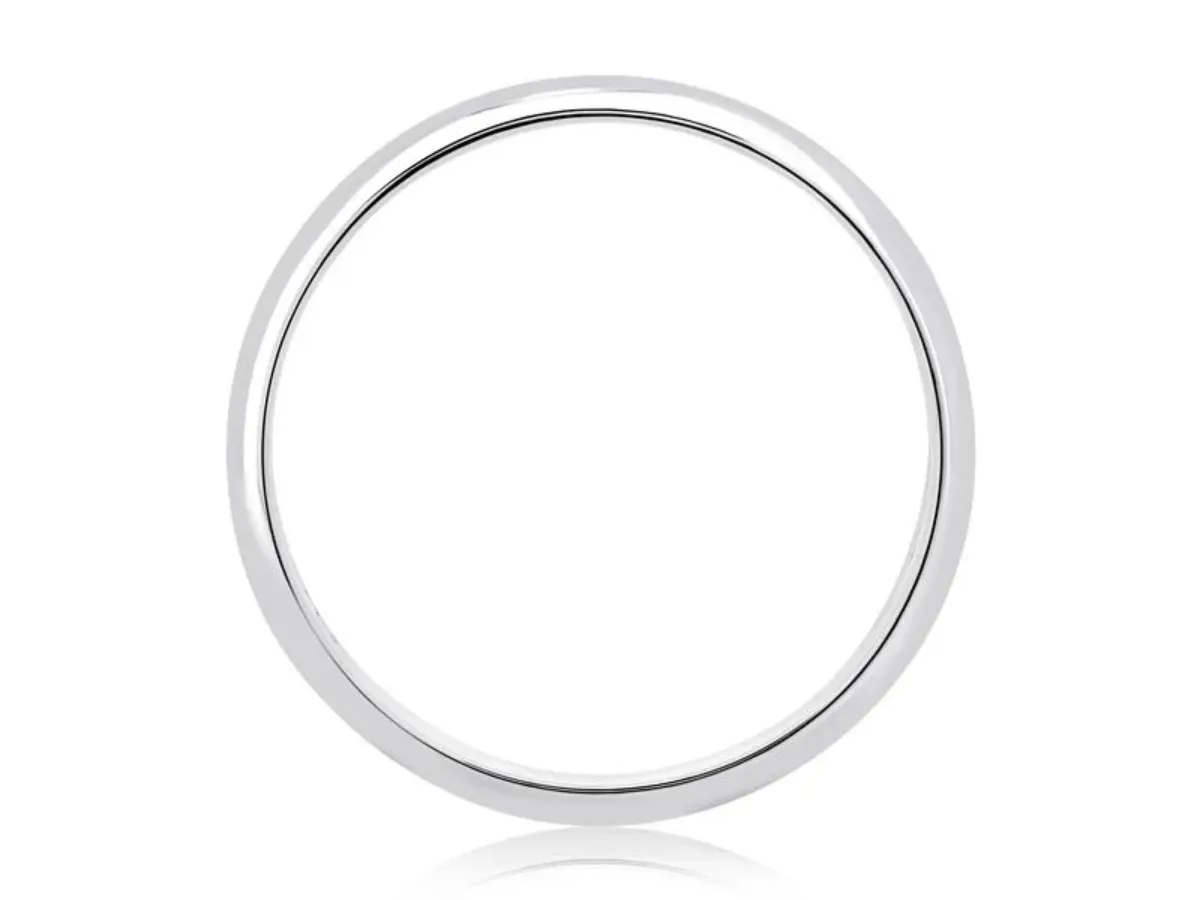
Understanding Your Options: Platinum and White Gold
Before you decide, it helps to know what each metal is made of and how it behaves. Both platinum and white gold are beautiful, but they are not the same.
What is Platinum?
Platinum is a naturally occurring white metal. It is known for its purity and strength. When you see a platinum ring, it is usually 90-95% pure platinum. The rest is made up of other metals from the platinum family.
Here are some facts about platinum:
- Natural Color: It is naturally white, so it will not change color over time.
- Purity: It is one of the purest metals used in jewelry.
- Density: It is a very dense and heavy metal.
- Rarity: It is rarer than gold.
What is White Gold?
White gold is not a naturally white metal. It is an alloy, meaning it is a mix of pure yellow gold with other white metals. These metals often include palladium, nickel, or silver. This mix gives it a whiter appearance. To make it even brighter and whiter, white gold rings are coated with a layer of rhodium. Rhodium is a very bright, white metal from the platinum family.
Key points about white gold:
- Alloy: It is a blend of gold and other white metals.
- Rhodium Plating: It relies on a rhodium coating for its bright white finish.
- Karat System: It is measured in karats (e.g., 14k, 18k), which tells you how much pure gold is in the mix.
- Appearance: Without the rhodium plating, it has a slightly yellowish-white color.
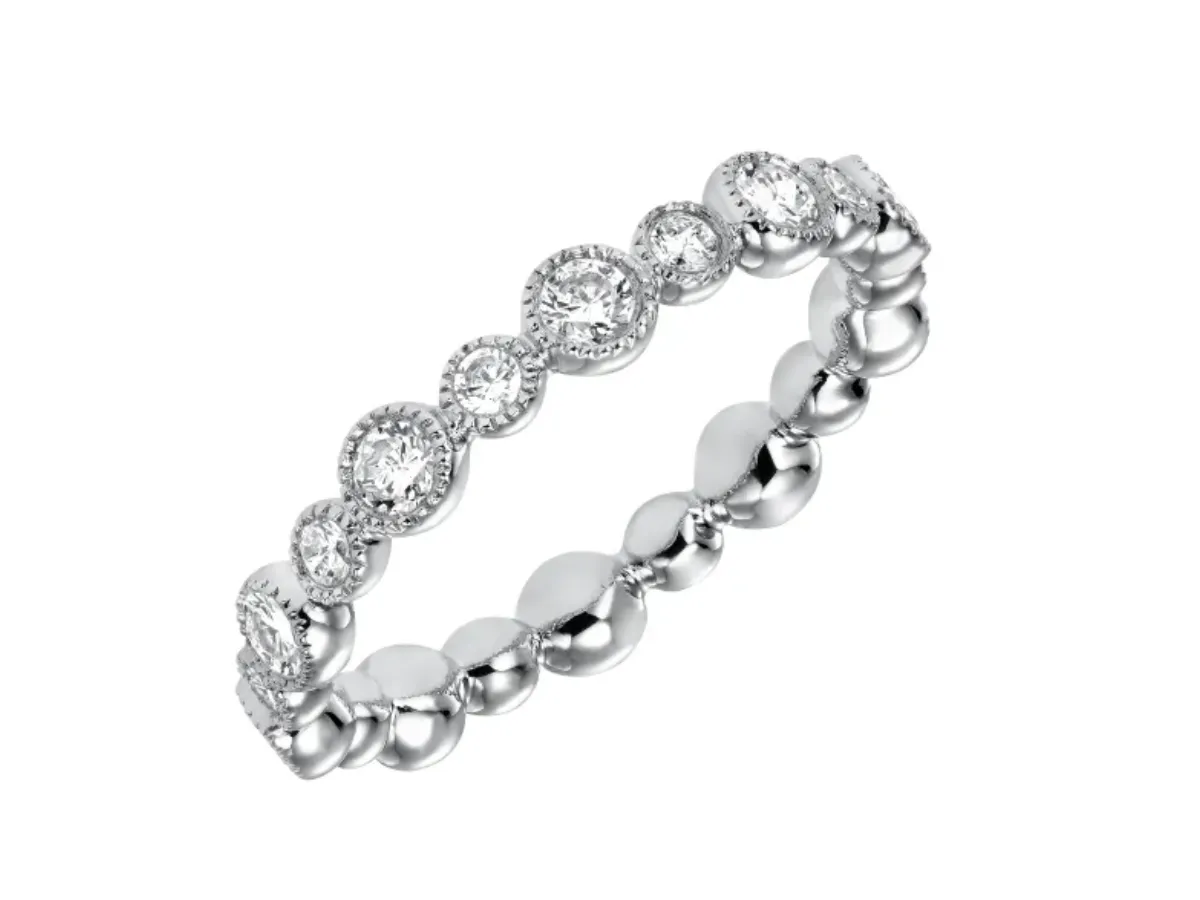
Key Differences Between Platinum and White Gold
Now that you know what each metal is, let us look at how they compare side-by-side.
Color and Appearance
The initial appearance of a new platinum ring and a new white gold ring can be very similar because of the rhodium plating on white gold. However, their long-term appearance differs.
- Platinum: Stays its natural white color. Over time, it develops a soft, satiny finish called a "patina." Some people love this look, while others prefer to have their platinum polished to restore its original shine.
- White Gold: The rhodium plating will wear off over time, revealing the slightly yellowish color of the white gold alloy underneath. To keep its bright white look, white gold needs to be re-plated every few years.
Durability and Wear
Both metals are durable, but they wear differently.
- Platinum: It is a very strong and dense metal. When platinum gets scratched, the metal is displaced, not lost. This means the metal moves around on the surface of the ring. This is what creates the patina. Platinum holds diamonds and other gemstones very securely because it is so strong.
- White Gold: It is also durable, but scratches on white gold result in a small loss of metal. The rhodium plating, while hard, can wear away. This means the underlying metal can show more wear over time, and the prongs holding stones might need more attention if the rhodium wears thin.
Weight and Feel
You will notice a difference in how these rings feel on your finger.
- Platinum: It is a much denser metal than gold. This means a platinum ring will feel heavier on your finger than a white gold ring of the same size.
- White Gold: It is lighter than platinum. Some people prefer a lighter feel, while others like the substantial weight of platinum.
Hypoallergenic Properties
If you have sensitive skin, this difference is very important.
- Platinum: It is naturally hypoallergenic. This means it is very unlikely to cause an allergic reaction because it is so pure and does not contain common irritants like nickel.
- White Gold: Many white gold alloys contain nickel, which can cause skin irritation or allergic reactions for some people. If you have a nickel allergy, you should ask for nickel-free white gold or choose platinum.
Maintenance and Care
Both metals require some care to keep them looking their best.
- Platinum: It is relatively low maintenance in terms of color. You can clean it at home with mild soap and water. If you want to restore its original high shine, you can have it professionally polished.
- White Gold: It needs more regular maintenance to keep its bright white color. The rhodium plating typically lasts from six months to a few years, depending on how often you wear the ring and what activities you do. Re-plating involves a jeweler cleaning, polishing, and then applying a new layer of rhodium.
Price Comparison
Cost is often a factor in choosing a wedding band.
- Platinum: It is generally more expensive than white gold. This is due to its rarity, higher density (meaning more metal is used for the same size ring), and the fact that it is used in a purer form.
- White Gold: It is typically more affordable than platinum. The price will vary based on the karat (purity of gold) and the current market price of gold.
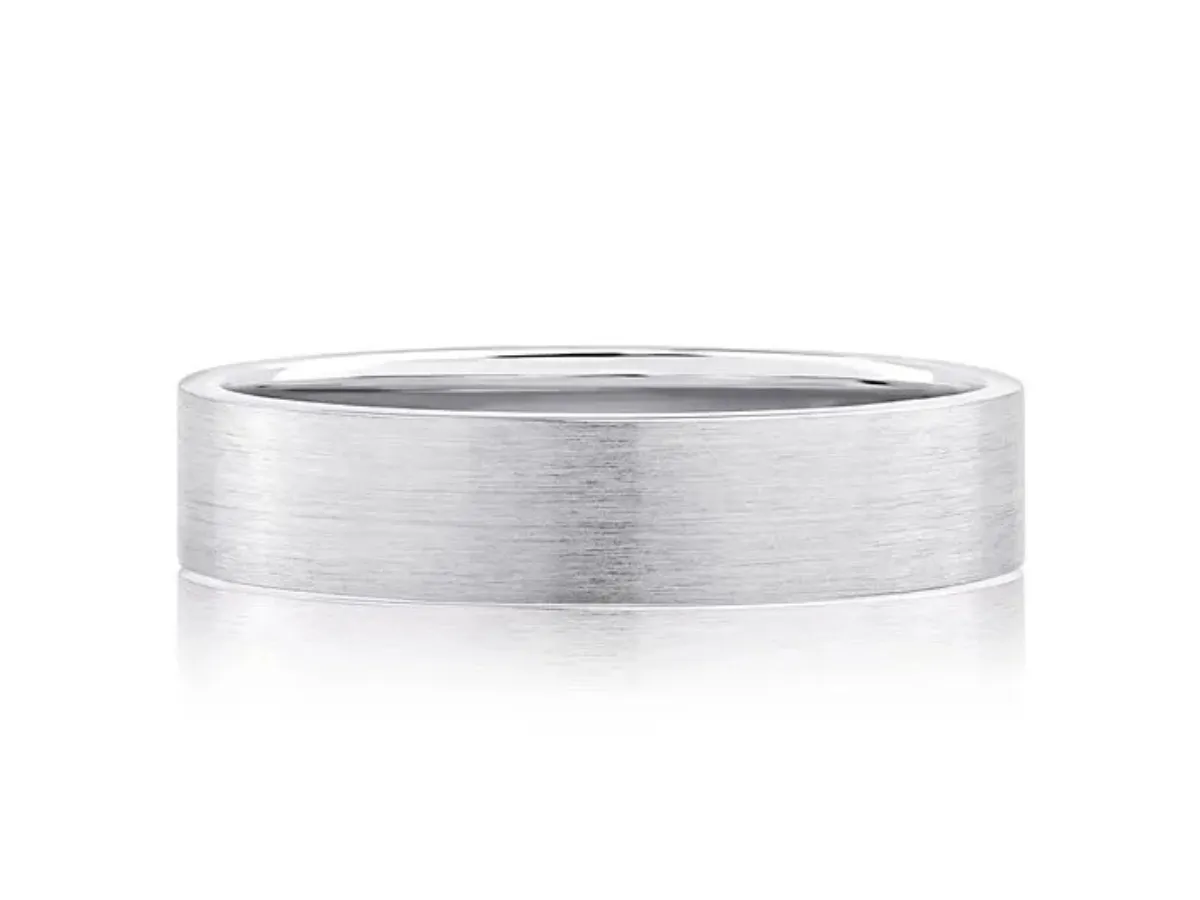
Making Your Choice: Which Metal is Right for You?
Choosing between platinum and white gold comes down to what matters most to you.
Consider Your Lifestyle
Your daily activities can influence which metal is a better fit.
- Active Lifestyles: If you work with your hands, play sports, or have a very active job, platinum might be a good choice. Its durability and the way it wears (metal displacement rather than loss) can be an advantage.
- Less Active Lifestyles: White gold can be a good choice for those with less demanding daily routines. You will need to consider the regular re-plating schedule.
Think About Your Budget
Set a budget before you start shopping.
- Higher Budget: If your budget allows, platinum offers a lasting, naturally white metal that needs less color maintenance.
- More Affordable: White gold can be a great option if you are looking for a beautiful white metal at a more budget-friendly price point. Remember to factor in the cost of future rhodium re-plating.
Match Your Personal Style
Consider what look you prefer.
- Natural White and Patina: If you like the idea of a naturally white metal that develops a unique, soft patina over time, platinum is for you.
- Bright, Consistent White: If you prefer a consistently bright, mirror-like white finish, and do not mind the upkeep of re-plating, white gold might be your preference.
Caring for Your Wedding Band
No matter which metal you choose, proper care will keep your wedding band looking beautiful.
- Clean your ring regularly with mild soap and warm water.
- Remove your ring during heavy chores, gardening, or when using harsh chemicals.
- Have your ring professionally checked by a jeweler once a year to ensure stones are secure and the metal is in good condition.
FAQ
Is platinum better than white gold?
Neither metal is "better" than the other; they are simply different. Platinum is naturally white, denser, and hypoallergenic, while white gold is an alloy that needs rhodium plating to maintain its bright white color. Your choice depends on your preferences, budget, and lifestyle.
Does white gold tarnish?
White gold itself does not tarnish in the same way silver does. However, the rhodium plating on white gold can wear off over time, revealing the slightly yellowish color of the underlying gold alloy. This makes it appear as if the ring is changing color.
How often do you need to re-dip white gold?
The frequency of re-dipping (re-plating with rhodium) for white gold depends on how often you wear the ring, your daily activities, and your body chemistry. Most people find they need to have their white gold rings re-plated every 6 months to 2 years to keep them looking bright white.
Can platinum scratch?
Yes, platinum can scratch. When platinum scratches, the metal is displaced rather than lost, creating a soft, satiny finish called a "patina." This is different from white gold, where scratches involve a small loss of metal.
Is platinum more expensive than white gold?
Generally, yes, platinum is more expensive than white gold. This is because platinum is rarer, denser (meaning more metal is used for the same size ring), and typically used in higher purity (90-95%) compared to gold alloys.
What is the difference between 14k and 18k white gold?
The "k" stands for karat, which indicates the purity of the gold.
- 14k white gold is 58.3% pure gold (14 parts gold out of 24 total parts). It is harder and more durable due to a higher percentage of other metals in the alloy.
- 18k white gold is 75% pure gold (18 parts gold out of 24 total parts). It is softer and has a richer, slightly warmer tone than 14k white gold before rhodium plating. It is also less likely to cause allergic reactions for those sensitive to nickel, as it contains less of the alloy metals.
Your Forever Ring from Ken Walker Jewelers
At Ken Walker Jewelers, we understand that your wedding band is more than just jewelry; it is a symbol of your journey together. We are here to help you understand the differences between platinum and white gold, so you can choose the metal that best fits your life and your love. We offer a wide range of beautiful bands in both platinum and white gold, designed to last a lifetime.
Conclusion
Both platinum and white gold are wonderful choices for a wedding band, each with its own special qualities. Platinum offers natural purity, density, and a unique patina, while white gold provides a bright, classic look at a more affordable price, with the understanding of regular maintenance. By considering your lifestyle, budget, and desired appearance, you can confidently select the perfect metal for your everlasting symbol of commitment.