
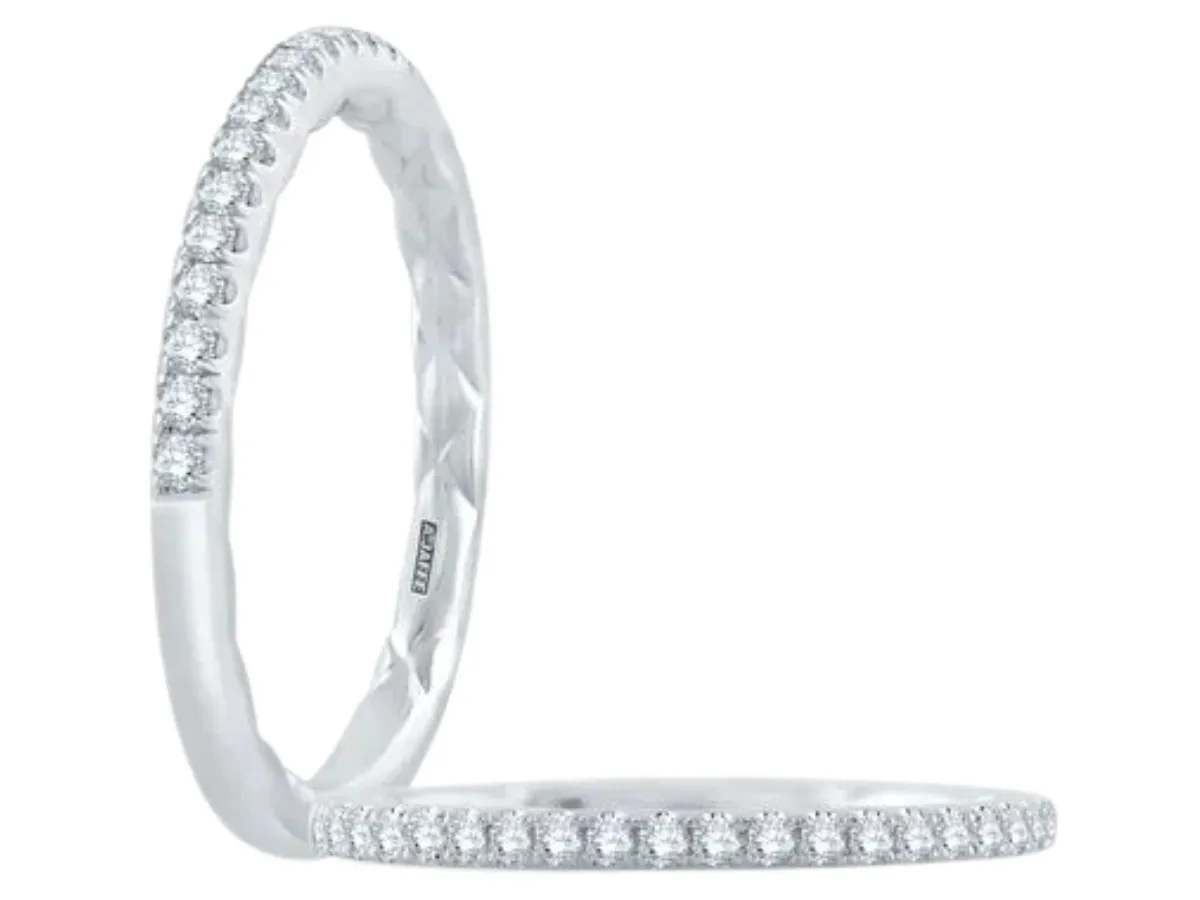
Many couples searching for the perfect symbol of their commitment often ask, "what makes pave wedding bands special?" These bands are known for their striking appearance, created by many small diamonds set closely together. This design choice gives the band a unique shimmer that catches the light beautifully. At Ken Walker Jewelers in Gig Harbor, WA, we understand that choosing a wedding band is a significant milestone. We believe in providing you with clear information about the design and careful craftsmanship that goes into these cherished pieces. You will learn about the detailed work and thoughtful design that makes pave bands a popular choice.
Key Takeaways
- Pave wedding bands feature many small diamonds set close together for continuous sparkle.
- Their design creates a unique visual effect, making the band appear covered in diamonds.
- Crafting a pave band requires skilled jewelers and precise diamond setting techniques.
- Pave designs offer great versatility, fitting various ring styles and metal choices.
- Proper care and understanding of setting styles contribute to the band's long-lasting beauty.
Understanding Pave Wedding Band Design
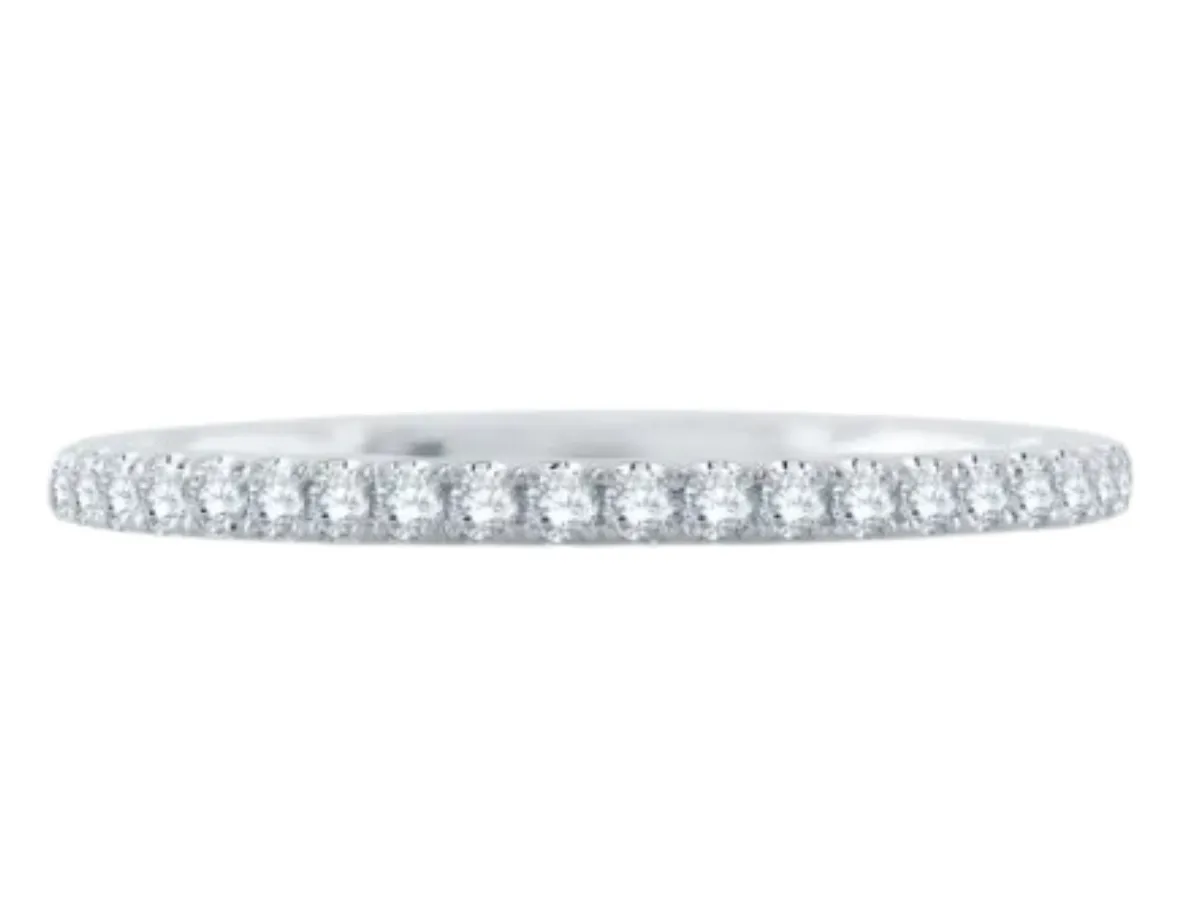
Pave is a French word that means "to pave," like a paved road. In jewelry, this means the surface of the ring is "paved" with tiny diamonds. These small stones are set very close to one another, with minimal metal showing between them. This method creates a surface that looks like it is made entirely of diamonds, offering a continuous line of brilliance. You will notice that this design choice maximizes the sparkle without needing large, individual stones.When you look at a pave wedding band, you will see:
- A seamless diamond surface: The goal is to make the metal disappear, allowing the diamonds to be the main focus.
- Small, uniform diamonds: Each diamond is chosen for its size and quality to match the others, creating a consistent look.
- Light reflection: The way these diamonds are placed ensures that light bounces off many facets, creating a bright, shimmering effect.
The Sparkle Effect
The unique sparkle of a pave band comes from the way many small diamonds work together. When light hits the band, it interacts with the numerous facets of each individual diamond. Instead of one large flash from a single stone, you get a multitude of tiny, bright reflections. This creates a dazzling, continuous shimmer that moves with your hand.Consider these points about the sparkle:
- Many light sources: Each small diamond acts as a tiny mirror, reflecting light from different angles.
- Overall brilliance: The combined effect of these reflections creates a more intense and uniform sparkle across the band.
- Visual depth: The close setting can give the illusion of greater depth and richness to the band.
Versatility in Pave Wedding Band Design
One of the strengths of pave wedding band design is its adaptability. Pave can be used in many ways, making it suitable for different tastes and preferences. Whether you prefer a classic, modern, or vintage look, a pave element can often be incorporated.Here are examples of how pave design is versatile:
- Metal Choices: Pave diamonds look beautiful in various metals, including:
- White Gold: Offers a bright, clean background that makes diamonds appear larger and whiter.
- Yellow Gold: Provides a warm contrast, making the diamonds stand out with a classic feel.
- Rose Gold: Creates a romantic, soft look that complements the sparkle of the diamonds.
- Platinum: A durable and naturally white metal that provides a secure setting and bright appearance.
- Ring Styles: Pave can be featured on:
- Full bands: Where diamonds encircle the entire ring.
- Half bands: Where diamonds cover only the top half of the ring.
- Accent stones: Used on the sides of a larger center stone in an engagement ring.
- Stacking: Pave bands are often chosen to complement or stack with engagement rings, adding extra sparkle without overpowering the main stone.
The Craftsmanship Behind Pave Bands
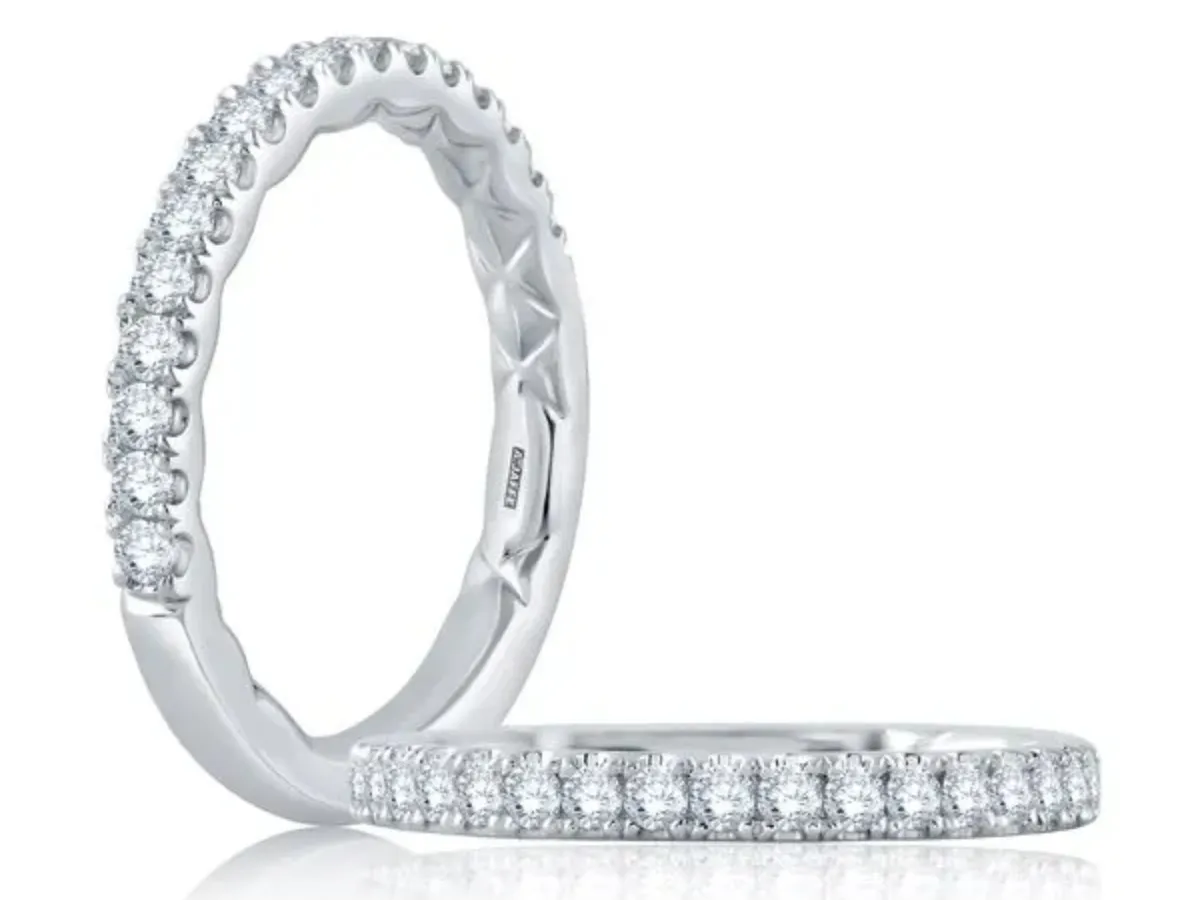
The beauty of a pave wedding band depends greatly on the skill and precision of the jeweler. This type of jewelry craftsmanship requires a steady hand, keen eyesight, and years of experience. Placing tiny diamonds securely and beautifully is a detailed process that separates a well-made pave band from one that is not. You will appreciate that each band from Ken Walker Jewelers in Gig Harbor, WA, reflects this high level of dedication and quality.The making of a pave band involves:
- Careful selection of materials: Ensuring diamonds are uniform in size and quality.
- Precise drilling and shaping: Creating the exact spots where each diamond will sit.
- Meticulous setting: Using specialized tools to secure each tiny diamond.
- Finishing touches: Polishing the metal and ensuring every diamond is perfectly aligned and secure.
Different Diamond Setting Styles
There are several diamond setting styles used in pave bands, each with its own characteristics. Understanding these styles can help you appreciate the specific look and durability of your band. Each method aims to minimize the visible metal and maximize the diamond's presence.Common pave setting styles include:
- Micro-Pave: This style uses very small diamonds, often less than 0.01 carat each. The diamonds are set very close together, creating a smooth, sparkling surface with almost no visible metal. Jewelers use microscopes for this detailed work.
- French Pave (or Fishtail Pave): This setting involves V-shaped cuts in the metal that hold the diamonds. When viewed from the side, the metal prongs resemble tiny fishtails. This style allows more light to reach the diamonds from the sides, adding to their brilliance.
- Bead Set Pave: In this traditional pave style, small beads of metal are raised from the surface of the ring to hold each diamond in place. The beads are then carefully pushed over the edges of the diamond, securing it. This creates a slightly textured, sparkling surface.
- Bright Cut Pave: This method uses a thin strip of metal on either side of the row of diamonds. The diamonds are set within this channel, and the metal edges are polished to reflect light, making the diamonds appear brighter and larger.
Precision in Placement
The overall look and durability of a pave band rely heavily on the precise placement of each tiny diamond. If the diamonds are not aligned correctly or set securely, the band's beauty and longevity can be affected. Skilled jewelers pay close attention to every detail to ensure a high-quality finish.Key aspects of precision placement include:
- Even spacing: Each diamond must be spaced uniformly to create a continuous, unbroken line of sparkle.
- Correct depth: Diamonds must be set at the right depth so they are secure and flush with the surface, preventing them from catching on clothing or falling out.
- Secure prongs/beads: The tiny metal elements holding the diamonds must be strong enough to keep the stones in place without overshadowing their brilliance.
- Symmetry: For bands with multiple rows of pave, ensuring symmetry across the design is essential for a balanced and appealing look.
What to Consider for Your Pave Band
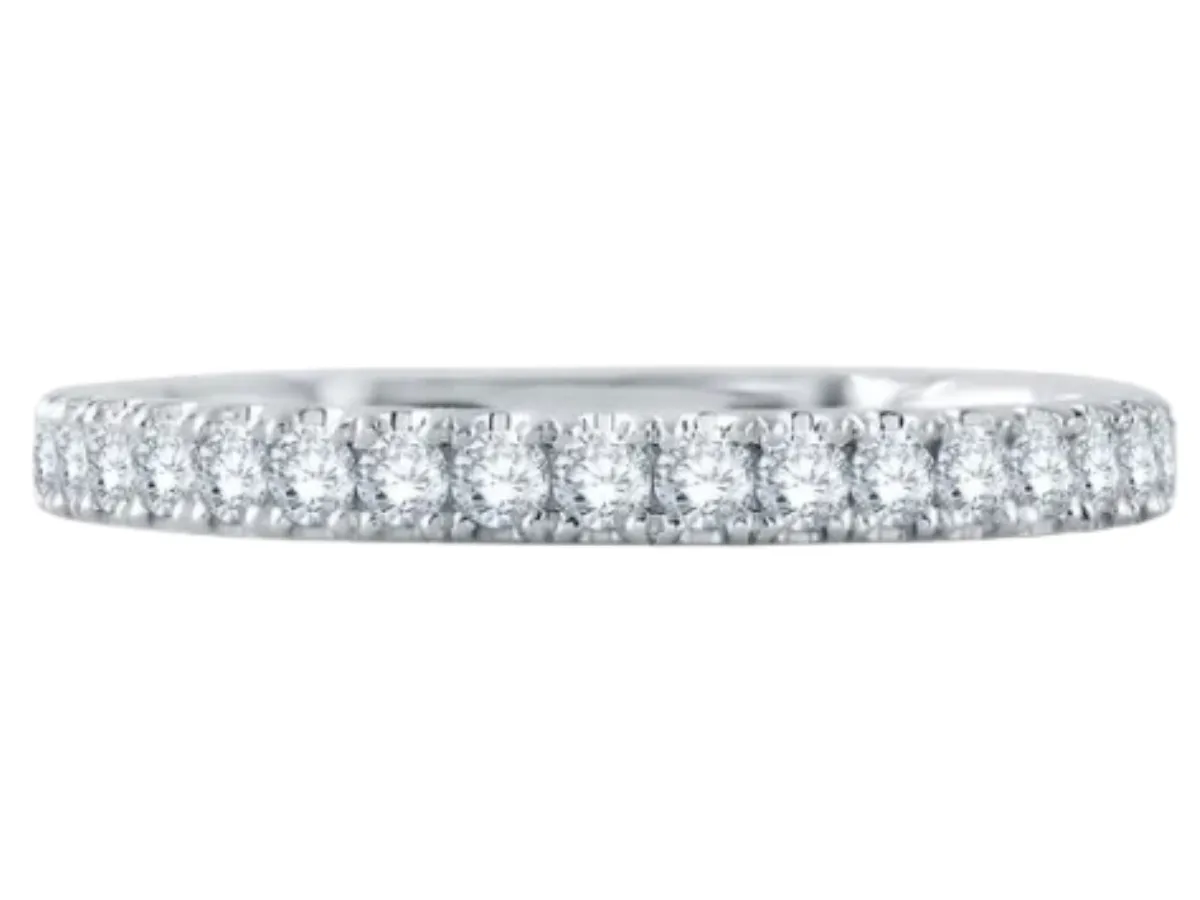
When you are considering a pave wedding band, it is helpful to think about a few practical points. This section will guide you through choosing a band that meets your expectations for both design and craftsmanship quality. At Ken Walker Jewelers in Gig Harbor, WA, we are here to offer honest advice and help you make an informed decision.Consider these factors:
- Lifestyle: If you have a very active lifestyle, discuss with your jeweler which pave setting style might be most durable for you.
- Budget: Pave bands can be budget-friendly, as they use many small diamonds instead of one large one. However, the density of diamonds and the complexity of the setting can affect the price. Ken Walker Jewelers offers options to fit various budgets.
- Matching with your engagement ring: Think about how the pave band will sit next to your engagement ring. Will it complement the design, or will it create a gap?
- Jeweler's reputation: Choose a jeweler known for quality craftsmanship, like Ken Walker Jewelers, to ensure your pave band is made with care and precision.
Longevity and Care
A pave wedding band can last a lifetime and beyond with proper care. Understanding how to maintain your ring will help preserve its sparkle and structural integrity. Regular cleaning and occasional professional checks are important for long-lasting bands.Here are tips for caring for your pave band:
- Gentle Cleaning: Use a soft brush, mild soap, and warm water to gently clean your ring. Avoid harsh chemicals that can damage the metal or dull the diamonds.
- Regular Inspections: Visit Ken Walker Jewelers for professional inspections. We can check the security of the tiny diamonds and clean the ring thoroughly. This helps prevent loose stones.
- Avoid Harsh Chemicals: Take off your ring when using cleaning products, gardening, or swimming in chlorinated water.
- Storage: When not wearing your ring, store it in a soft pouch or a separate compartment in your jewelry box to prevent scratches from other pieces.
- Avoid Impact: While pave settings are secure, a hard knock can potentially loosen a diamond. Be mindful of your ring during activities that might put it at risk.