
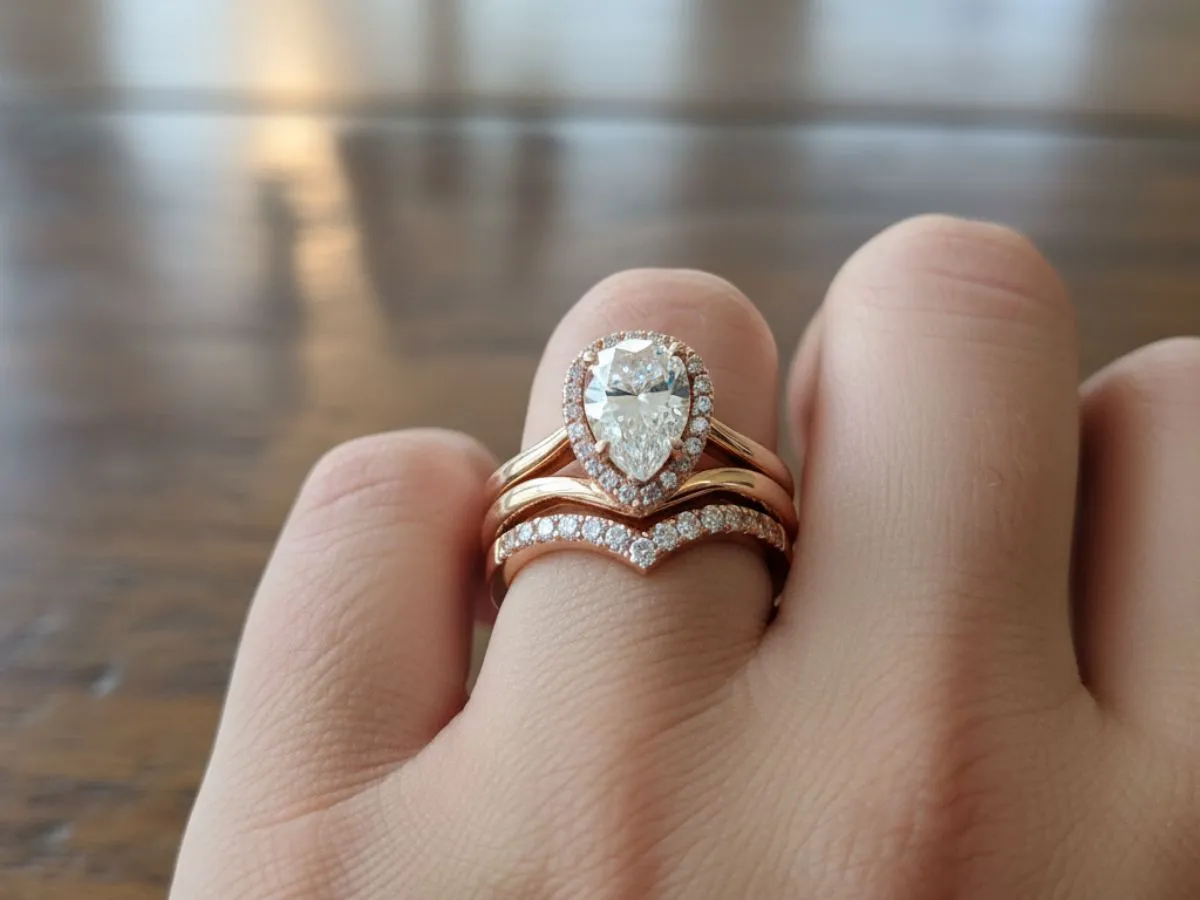
When you choose an engagement ring, you pick a piece that shows your personal style and commitment. Later, when it's time to find a wedding band, you want it to sit perfectly with your engagement ring. This is where contoured bands, often called stackable bands, become a great choice. These bands are made to curve around your engagement ring, creating a beautiful and comfortable set.
Key Takeaways
- Contoured bands are wedding rings shaped to fit snugly against unique engagement rings.
- They prevent gaps and protect your engagement ring's design.
- Many styles are available, from simple curves to intricate designs.
- You can create a one-of-a-kind look with custom jewelry.
- Proper care keeps your bridal set looking beautiful for years.
What are Contoured Bands?
Contoured bands are wedding rings that have a specific curve or notch designed to sit flush against an engagement ring. Unlike straight bands, which might leave a gap next to a ring with a large center stone or an unusual shape, a contoured band follows the lines of your engagement ring. This creates a cohesive and finished look for your bridal set.
These bands are also sometimes called "curved wedding bands" or "shadow bands." Their main purpose is to complement your engagement ring without overshadowing it.
Why Choose a Contoured Wedding Band?
Choosing a contoured wedding band offers several benefits:
- No Gaps: The most common reason people pick a contoured band is to avoid a space between their engagement ring and wedding band. This gives your rings a neat, connected appearance.
- Protection: A contoured band can help protect the delicate features of your engagement ring, like its setting or side stones, by fitting closely around them.
- Comfort: When rings fit together well, they are often more comfortable to wear. A contoured band can prevent your rings from rubbing against each other or spinning separately on your finger.
- Unique Style: Many engagement rings have distinctive shapes, such as pear, marquise, or oval diamonds. A contoured band can highlight these shapes and make your set truly unique.
- Customization: You can design a contoured band to perfectly match your engagement ring, even if it has an unusual design.
Types of Contoured Bands
Contoured bands come in many styles to suit different tastes and engagement ring designs. Here are a few common types:
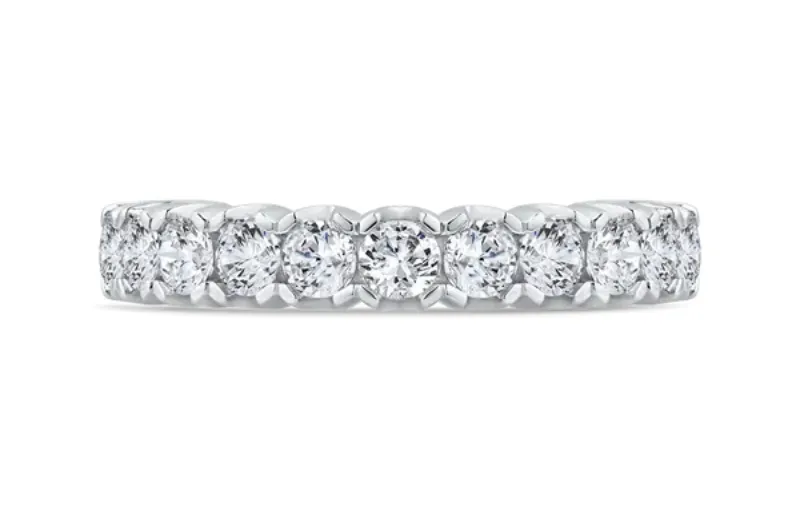
- Simple Curved Bands: These have a gentle curve that follows the natural arc of many engagement rings. They are often plain metal but can also feature diamonds.
- V-Shaped Bands: Ideal for engagement rings with pointed stones like marquise or pear cuts, these bands have a distinct "V" shape that cradles the point of the stone.
- Notched Bands: Some engagement rings have settings that extend outward. A notched band has a small cutout that allows the engagement ring's setting to fit right into it.
- Wrap-Around Bands: These bands might wrap around the engagement ring from both sides, creating a complete frame. They can be simple or very decorative.
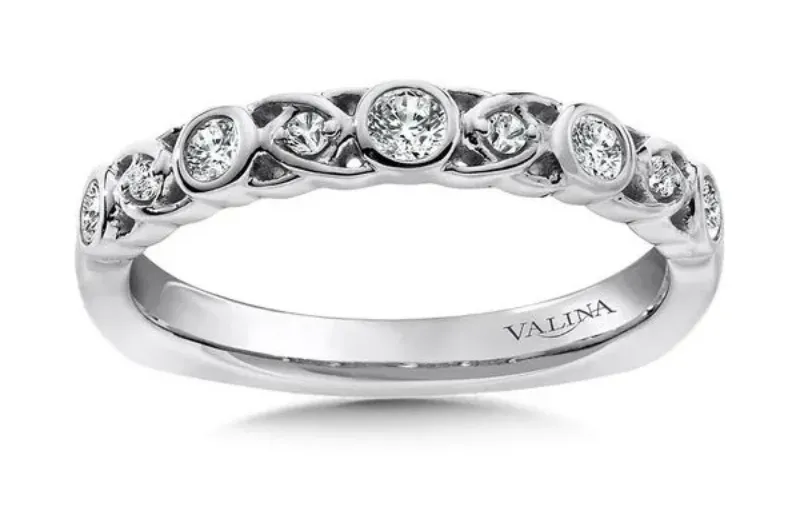
- Twisted or Braided Bands: For a more artistic look, some contoured bands feature twisted metal or braided designs that complement a similar style in the engagement ring.
At Ken Walker Jewelers, we can help you find or create the perfect band.
Finding the Right Fit for Your Engagement Ring
Finding a contoured band that fits your engagement ring perfectly requires careful consideration. Here are steps to help you:
- Bring Your Engagement Ring: Always bring your engagement ring with you when you are looking for a wedding band. This allows you to try on different bands together.
- Consider the Profile: Look at how high your engagement ring sits on your finger. A contoured band should match this height so that both rings sit smoothly.
- Match the Metal: For a unified look, choose a wedding band in the same metal as your engagement ring. This could be white gold, yellow gold, rose gold, or platinum.
- Think About Diamonds or Plain Metal: Decide if you want a plain metal band or one with diamonds. A diamond band can add extra sparkle, while a plain band offers a classic look.
- Seek Expert Advice: Jewelers like those at Ken Walker Jewelers can offer valuable guidance. They have experience fitting many different ring styles.
If you have a very unique engagement ring, a stock contoured band might not fit perfectly. In these cases, consider custom jewelry.
The Process of Customizing Your Band
If you want a truly perfect fit or a band that reflects your personal style, custom design is an excellent option. Here's how the process often works:
- Consultation: You will discuss your ideas and your engagement ring with a designer. They will look at your ring's shape, size, and style.
- Design and Sketch: The designer will create sketches or computer-aided designs (CAD) to show you how the contoured band will look with your engagement ring. You can make changes until you are happy.
- 3D Model/Wax Mold: Often, a 3D model or a wax mold of the band is made. This lets you see the exact shape and fit before the ring is made in metal.
- Casting and Finishing: Once you approve the design, the band is cast in your chosen metal and polished. Any diamonds or gemstones are then set.
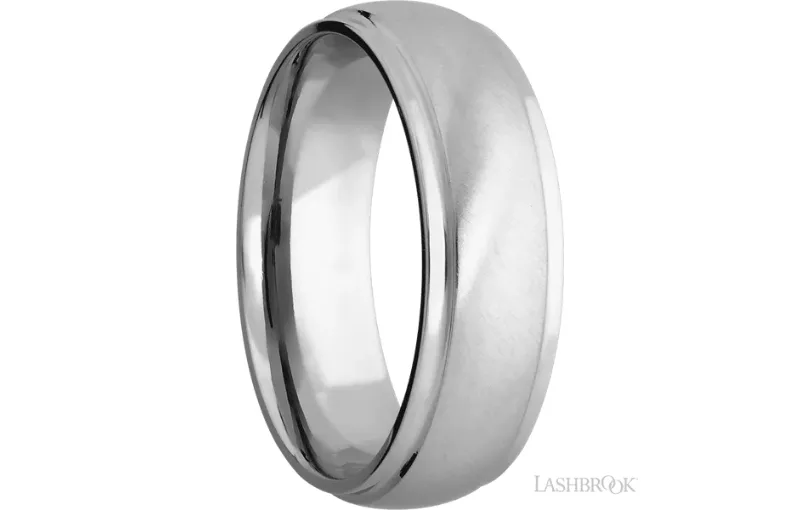
This process ensures your wedding bands for women or mens wedding bands will fit perfectly and be exactly what you envisioned.
Caring for Your Bridal Set
Once you have your beautiful bridal set, proper care will keep it shining for years.
- Regular Cleaning: Clean your rings often with a soft brush, mild soap, and warm water. You can also bring them to a jeweler for professional cleaning.
- Inspections: Have your rings inspected by a jeweler at least once a year. They can check for loose stones or worn prongs. This is a part of good jewelry repair.
- Avoid Harsh Chemicals: Take off your rings when using cleaning products, swimming in chlorinated water, or handling abrasive materials.
- Store Safely: When you are not wearing your rings, store them in a fabric-lined jewelry box or soft pouch to prevent scratches.
Ken Walker Jewelers has been serving the community of Gig Harbor, WA for over 50 years, helping people celebrate their special moments with quality jewelry and expert advice. Whether you are looking for unique engagement rings or the perfect contoured band, we are here to help you every step of the way.
Frequently Asked Questions
What is the difference between a contoured band and a straight band?
A contoured band is shaped to fit around the curves or features of an engagement ring, preventing gaps. A straight band has a uniform shape and may not sit flush against all engagement rings, especially those with larger or uniquely shaped center stones.
Can any engagement ring be paired with a contoured band?
Most engagement rings can be paired with a contoured band. However, some very intricate or unusually shaped rings might require a custom-designed band to get the best fit.
Do contoured bands cost more than straight bands?
The cost of a contoured band depends on factors like the metal type, the number and size of diamonds, and whether it is a custom design. Generally, a custom contoured band might cost more than a standard straight band due to the specialized design work involved.
Can I wear a contoured band by itself?
Yes, you can wear a contoured band by itself. While designed to complement an engagement ring, many people enjoy the unique look of a contoured band on its own.
How long does it take to get a custom contoured band?
The time it takes to create a custom contoured band varies. It can range from a few weeks to several months, depending on the complexity of the design, the materials chosen, and the jeweler's schedule. It is best to start the process well in advance of your wedding date.