
Your wedding band is more than just a piece of jewelry; it is a lasting symbol of your commitment and love. As you look toward 2026, you might wonder what makes a wedding band truly traditional. While trends come and go, the core definition of a traditional wedding band remains rooted in timeless beauty, enduring quality, and profound personal significance. Ken Walker offers a selection of traditional wedding band at Gig Harbor, WA. This guide will help you understand the characteristics that define classic wedding bands, ensuring you choose a design that speaks to your unique bond and stands the test of time.
The Core Elements of Traditional Wedding Band Design
When considering wedding band styles, certain features stand out as being truly traditional. These foundational characteristics give these bands their lasting status, making them beloved choices for generations. Understanding these elements will help you appreciate the simple elegance that defines a traditional wedding band definition.
Metal Choices for Classic Wedding Bands
The metal you choose for your wedding band is a major part of its traditional appeal. Certain precious metals have been favored for centuries due to their beauty, durability, and symbolic value.
- Gold:
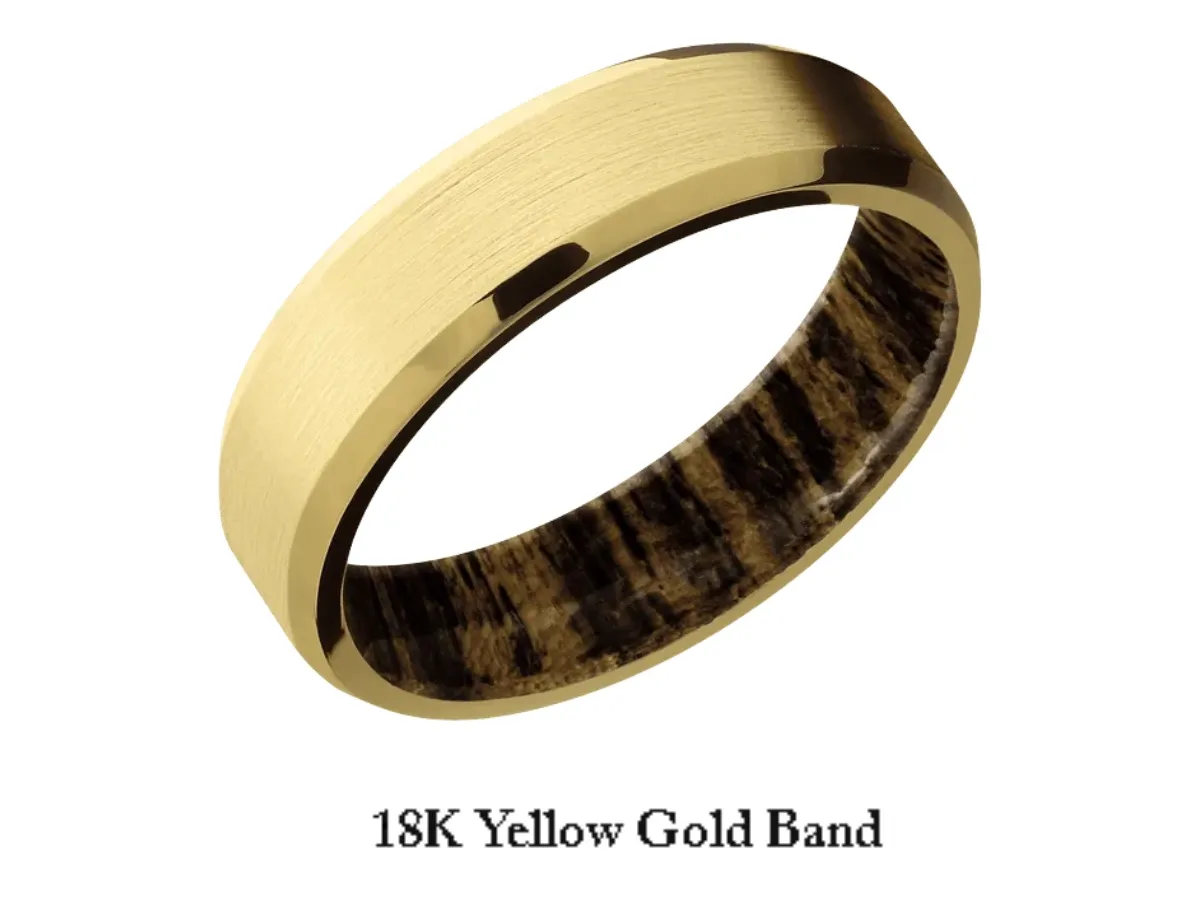
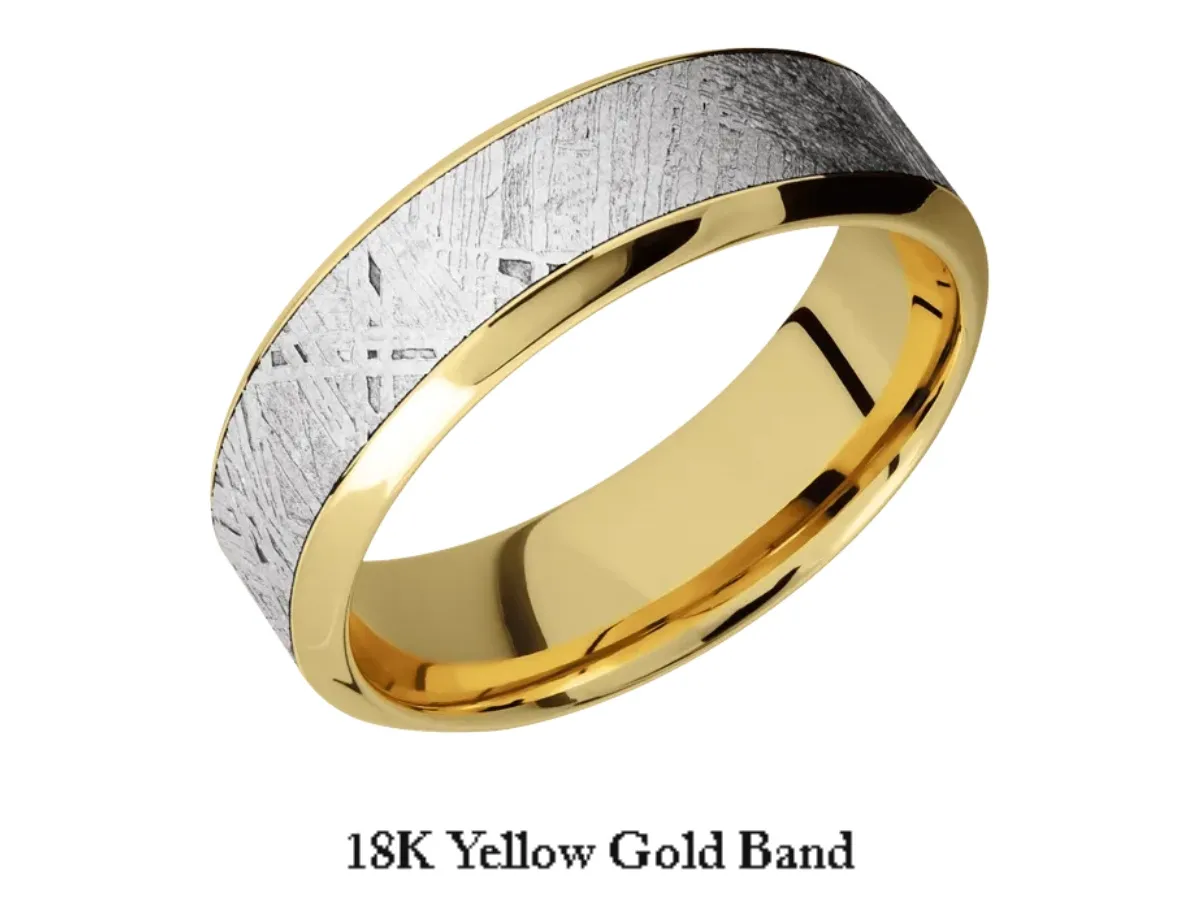
- Yellow Gold: This metal has a long history in jewelry and is often seen as the most traditional choice. Its warm, rich color has a classic appeal that never fades.
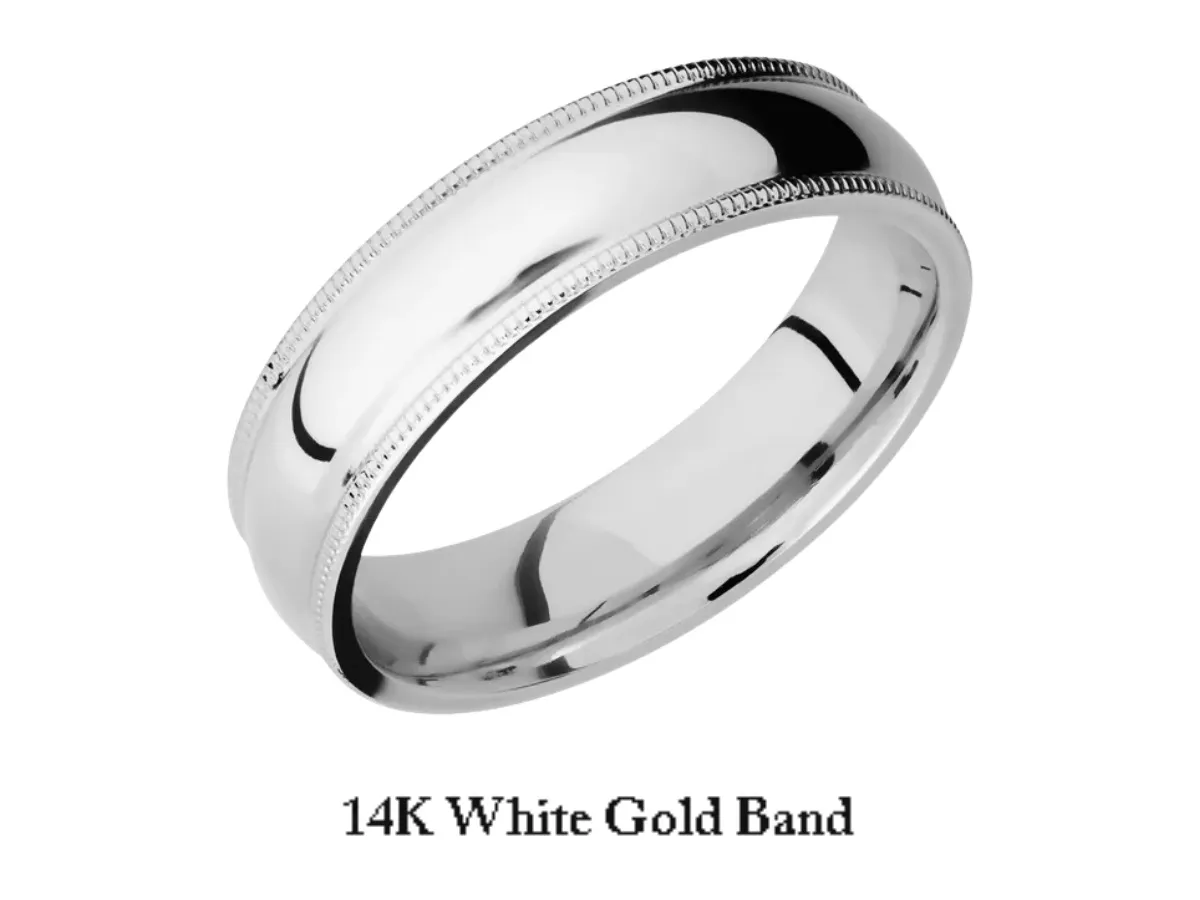
- White Gold: Offering a bright, silvery appearance, white gold has become a modern classic. It is a popular choice for those who prefer a lighter look.
- Rose Gold: With its romantic, rosy hue, rose gold has gained wider acceptance and is now considered a traditional option by many.
- Different Karats: Gold is measured in karats, which tells you its purity.
- 14K gold is a common choice, offering a good balance of durability and purity.
- 18K gold contains more pure gold, resulting in a richer color and a slightly softer metal. Both are excellent choices for lasting wear.
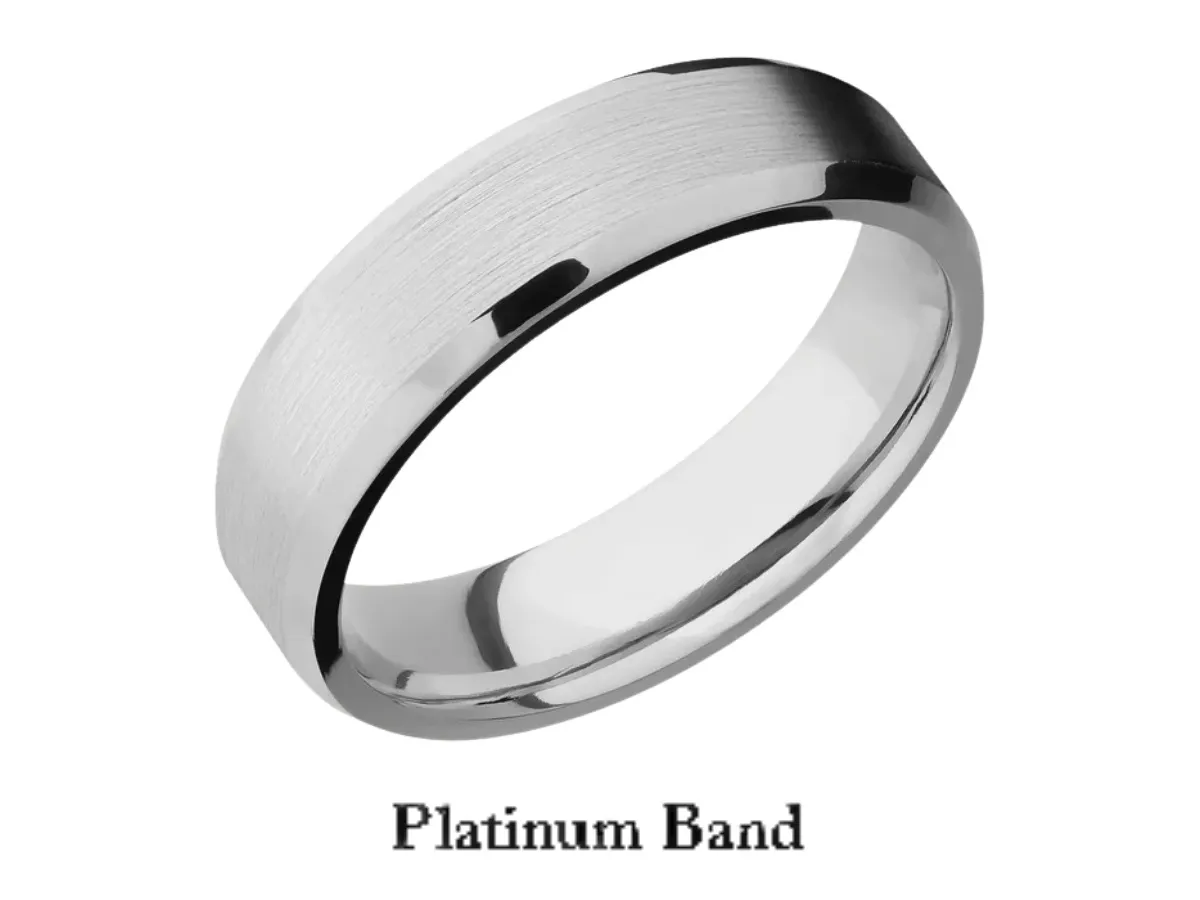
- Platinum:
- Natural White Color: Platinum is naturally white, meaning it will not change color over time. It offers a bright, clean look.
- Strength and Density: Platinum is known for its strength and resistance to wear, making it a good choice for a band you will wear every day.
- Hypoallergenic Properties: For those with sensitive skin, platinum is a gentle option, as it is naturally hypoallergenic.
Standard Shapes and Profiles in Traditional Wedding Band Styles
The shape and profile of a wedding band refer to its contour and how it sits on your finger. Traditional wedding band styles often feature simple, comfortable designs.
- Rounded or Domed Bands:
- Classic Curve: These bands have a soft, curved outer surface. This classic look is comfortable to wear and has a timeless appeal.
- Half-Round: This profile is rounded on the outside and flat on the inside, providing comfort against your skin.
- Full-Round: Fully rounded on both the inside and outside, this profile offers a very soft and smooth feel.
- Flat Bands:
- Clean Lines: Flat bands have a clean, modern yet traditional look. Their straight edges provide a distinct style.
- Comfort Fit:
- Internal Curve: Many traditional bands are now made with a "comfort fit." This means the inside of the band is slightly domed, allowing for easier wear and removal throughout the day.
- Band Widths:
- Common Widths: Traditional bands are available in various widths, typically from 2mm to 6mm.
- Look and Feel: A narrower band offers a delicate appearance, while a wider band makes a bolder statement. Your choice depends on your preference and how it feels on your hand.
Finishes and Details on Traditional Wedding Band Designs
The surface finish and subtle details add character to a traditional wedding band. These elements are chosen to complement the metal and shape without overwhelming the design.
- Polished Finish:
- High Shine: This is the most common traditional finish, giving the band a bright, reflective surface. It provides a classic and elegant look.
- Brushed or Satin Finish:
- Subtle Appearance: This finish has a soft, non-reflective texture. It offers a quieter, more understated beauty compared to a high polish.
- Matte Finish:
- Low Reflectivity: A matte finish provides a very low-shine surface, creating a distinct and modern yet still traditional style.
- Milgrain Detailing:
- Tiny Bead Edges: Milgrain is a decorative technique that adds tiny bead-like edges to the band. It gives the ring a vintage feel and a subtle texture.
- Engravings:
- Personalized Messages: Engraving a special date, initials, or a meaningful phrase inside the band is a timeless way to add personal significance to your ring.
Traditional vs. Modern Wedding Band Styles: Understanding the Differences
Understanding the distinctions between traditional and more contemporary wedding band styles can help you make an informed choice. While both offer beauty, their design philosophies often differ.
- Traditional Characteristics:
- Simplicity and Clean Lines: Traditional bands often prioritize simple forms, letting the metal's beauty speak for itself.
- Emphasis on Metal and Form: The focus is on the quality of the metal and the classic shape, rather than elaborate decorations.
- Subtle Detailing: Any added details, like milgrain, are usually understated and complement the overall design.
- Timeless Appeal: These designs are made to stay in style for many years, reflecting enduring love.
- Modern Characteristics:
- Intricate Designs: Modern bands might feature more complex patterns, geometric shapes, or unique cut-outs.
- Mixed Materials: You might see combinations of different metals or materials, sometimes with unusual textures.
- Prominent Stone Settings: Modern bands can include a wider variety of gemstones, often set in unique or prominent ways, beyond simple diamond accents.
- Unconventional Shapes: Some modern designs play with asymmetrical forms or openwork.
- Overlap:
- It is worth noting that some modern bands draw inspiration from classic wedding bands, blending traditional forms with contemporary twists. The definition of what is considered "classic" also evolves over time.
[H2] Why Choose a Traditional Wedding Band Design in 2026?
Even with many new designs available, a traditional wedding band remains a popular and meaningful choice for you in 2026. There are several good reasons why these styles continue to be cherished.
Timelessness:
Enduring Style: Traditional designs do not go out of fashion. They offer a classic look that will complement your personal style for a lifetime.
Versatile Look: A traditional band pairs well with almost any engagement ring style, from vintage to contemporary, and fits any occasion.
Symbolism:
Lasting Commitment: A traditional band often represents the enduring nature of love and commitment, connecting you to a rich history of couples who have chosen similar symbols.
Durability and Practicality:
Robust for Daily Life: Often, the simpler designs of traditional bands make them very strong and practical for everyday wear. They are less likely to catch on things or suffer damage compared to more intricate designs.
Affordable Options:
Value and Quality: Ken Walker Jewelers offers quality traditional bands across various budget points. You can find a beautiful, lasting band that feels special without feeling high-pressure about cost. We focus on helping you find lasting value.
[H2] Conclusion: Your Enduring Symbol of Commitment
Choosing a wedding band is a personal journey, and understanding the traditional wedding band definition in 2026 can guide you to a meaningful decision. Traditional designs celebrate enduring beauty, quality craftsmanship, and deep personal meaning. Whether you prefer the classic warmth of yellow gold or the bright strength of platinum, a traditional band offers a timeless symbol of your lasting love. Ken Walker Jewelers is here to help you find the perfect band that celebrates your milestones with quality jewelry at a fair price, creating an enduring symbol of your commitment for many years to come.
FAQ
What makes a wedding band "traditional"?
A traditional wedding band often features classic characteristics like precious metals (gold, platinum), simple shapes (domed or flat), and understated finishes (polished). These designs prioritize enduring style and comfort.
Are traditional wedding bands still popular in 2026?
Yes, traditional wedding bands remain very popular in 2026. Their timeless appeal, versatility, and symbolic meaning continue to make them a preferred choice for many couples seeking a lasting symbol of their commitment.
What is the difference between a traditional and a modern wedding band?
Traditional wedding bands typically feature simpler, classic designs focused on metal and form. Modern wedding bands might include more intricate patterns, mixed materials, or unique stone settings, reflecting contemporary design trends.
Can I personalize a traditional wedding band?
Yes, you can personalize a traditional wedding band in various ways. You might choose a specific metal color, finish, or add a custom engraving inside the band to make it uniquely yours.
Do traditional wedding bands go out of style?
No, traditional wedding bands are known for their enduring appeal. Their classic designs are not subject to changing fashion trends, making them a choice that will remain elegant and meaningful for many years.