
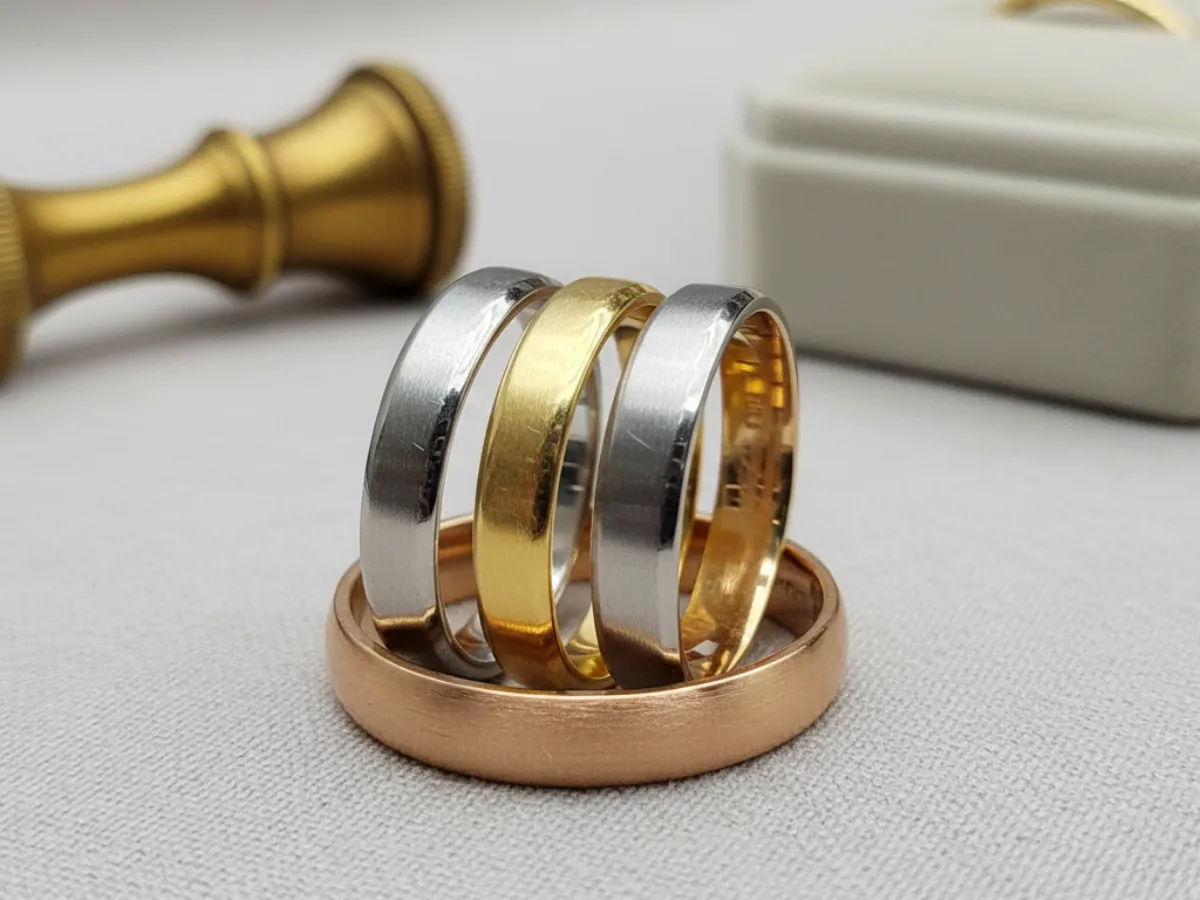
Choosing a wedding band is a special moment. This ring will be with you every day, symbolizing your lasting commitment. When you select your band, one of the most important decisions you will make is about the metal. Understanding the qualities of different precious metals, like platinum and various types of gold, can help you pick a ring that fits your lifestyle and preferences.
Key Takeaways- Platinum is a very durable, naturally white, and hypoallergenic metal. It does not wear away and develops a unique patina over time.
- Gold is a classic choice, available in yellow, white, and rose colors. Its purity is measured in karats, with 14K and 18K being popular for wedding bands.
- Palladium offers a lighter weight, natural white color, and good durability, making it a less common but good alternative to platinum.
- Consider durability, hypoallergenic properties, maintenance, color, and cost when making your decision.
- Ken Walker Jewelers offers a wide range of options and expert advice to help you find the perfect wedding band.

Understanding Different Precious Metals for Your Wedding Band
When you look for a wedding band, you will find many options. Each precious metal has its own unique features. Knowing these differences can guide you toward the best choice for you.
Platinum: The Strong and Pure Choice
Platinum is a naturally white metal known for its strength and rarity. It is a popular choice for wedding bands because of its unique properties.
- Durability: Platinum is very dense and strong. When it gets scratched, the metal is displaced, not lost. This means your ring will maintain its weight over time.
- Appearance: It has a natural white luster that will not fade or change color. Over time, platinum develops a soft, satiny finish called a "patina." Many people like this look. If you prefer a shiny finish, your jeweler can polish it.
- Purity: Wedding bands made of platinum are usually 90-95% pure. This high purity makes it an excellent choice for those with sensitive skin.
- Hypoallergenic: Because it is so pure, platinum is naturally hypoallergenic. This means it is very unlikely to cause skin irritation or allergic reactions.
Gold: A Classic Metal in Many Hues
Gold has been a traditional choice for wedding jewelry for centuries. It is valued for its beauty and versatility. Pure gold is very soft, so it is mixed with other metals to make it stronger and more durable for jewelry. This mix also creates different colors of gold. The purity of gold is measured in karats (K). For example, 24K is pure gold, 18K means 18 parts gold and 6 parts other metals, and 14K means 14 parts gold and 10 parts other metals.
Yellow Gold
Yellow gold is the most traditional and classic choice for wedding bands.
- Composition: It is made by mixing pure gold with silver and copper.
- Appearance: It has a warm, rich yellow color that pairs well with many skin tones.
- Maintenance: Yellow gold is relatively easy to care for and does not require replating.
- Traditional Appeal: Its timeless look makes it a favorite for many couples.
White Gold
White gold offers a modern and elegant look, similar to platinum.
- Composition: It is made by mixing pure gold with white metals like palladium, nickel, or silver. It is then often coated with rhodium, a very white and durable metal.
- Appearance: The rhodium plating gives white gold a bright, silvery-white finish.
- Maintenance: The rhodium plating wears off over time, revealing the slightly yellowish natural color of the white gold alloy underneath. You will need to have your white gold ring replated every few years to maintain its bright white look.
- Cost: White gold is generally more affordable than platinum.
Rose Gold
Rose gold has become a very popular choice for its romantic and unique color.
- Composition: It is made by mixing pure gold with copper, which gives it its distinctive pinkish hue. The more copper used, the redder the gold appears.
- Appearance: It has a warm, blush tone that is flattering on many skin types.
- Durability: The copper in rose gold makes it quite durable.
- Maintenance: Like yellow gold, rose gold does not require replating to maintain its color.
Palladium: A Lighter, Durable Option
Palladium is another precious metal in the platinum family. It has gained popularity as a wedding band choice.
- Durability: Palladium is strong and resistant to scratches. It is also naturally white, so it does not need rhodium plating.
- Weight: It is much lighter than platinum, which some people prefer for comfort.
- Hypoallergenic: Like platinum, palladium is naturally hypoallergenic, making it a good choice for those with metal sensitivities.
- Appearance: It has a bright, white appearance similar to platinum.
Other Metal Options
While platinum and gold are the most common, you may also find wedding bands made from other materials. These can include:
- Titanium: Very lightweight, strong, and affordable.
- Tungsten: Extremely durable and scratch-resistant, but cannot be resized easily.
- Silver: While beautiful, silver is generally too soft for a daily-wear item like a wedding band and tarnishes easily.
Key Factors When Choosing Your Wedding Band Metal
When you are deciding on the perfect metal for your wedding band, it is helpful to consider several factors. Thinking about these points can help you make a choice you will be happy with for many years.
Durability and Wear
Your wedding band will be worn every day, so its ability to withstand daily activities is important.
- Platinum: Very durable. It resists wear and tear by displacing metal rather than losing it. This means scratches rearrange the metal rather than chipping it away.
- Gold (14K or 18K): Durable enough for daily wear, but can scratch and show wear over time. 14K gold is generally harder than 18K gold because it has a higher percentage of other metals mixed in.
- Palladium: Offers good durability and scratch resistance, similar to platinum, but is lighter.
Hypoallergenic Properties
If you have sensitive skin or known allergies to certain metals, this is a very important consideration.
- Platinum: Almost 100% pure, making it naturally hypoallergenic. It is an excellent choice for people with sensitive skin.
- Palladium: Also naturally hypoallergenic and a good option for those with allergies.
- White Gold: Can sometimes cause allergies if it contains nickel. Many jewelers now use nickel-free white gold alloys, but it is always good to ask. The rhodium plating also acts as a barrier.
- Yellow and Rose Gold: Generally less likely to cause allergies than white gold, but some people can react to the copper or silver in the alloys.
Maintenance and Care
Different metals require different levels of care to keep them looking their best.
- Platinum: Requires less specific maintenance for color. It will develop a patina over time, which can be polished away if you prefer a high shine.
- Yellow and Rose Gold: Relatively low maintenance for color. Occasional cleaning and polishing are usually sufficient.
- White Gold: Needs to be replated with rhodium every 1-3 years, depending on wear, to maintain its bright white color. This is a service Ken Walker Jewelers can provide.
Color and Appearance
The color of your wedding band is a personal choice that should match your style and possibly your engagement ring.
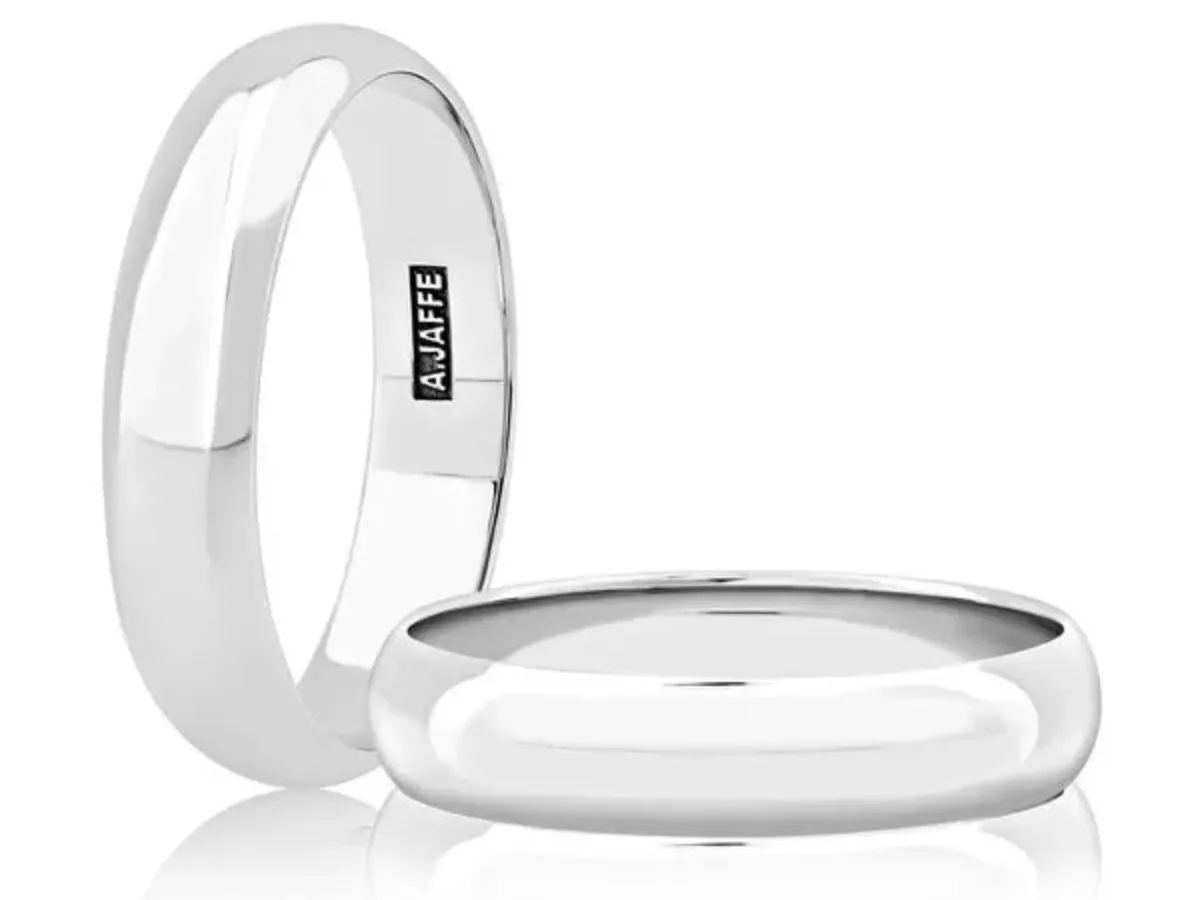
- White Metals: Platinum, white gold, and palladium offer a bright, silvery-white look. Platinum and palladium are naturally white, while white gold gets its color from plating.
- Yellow Metal: Yellow gold provides a classic, warm glow.
- Rose Metal: Rose gold offers a unique, romantic pinkish hue.
You can also choose to mix metal colors for a unique look, especially if your engagement ring is a different color.
Cost Considerations
The price of your wedding band will depend on the metal type, its purity, and the current market value of precious metals.
- Platinum: Typically the most expensive option due to its density, rarity, and purity.
- Gold: Prices vary based on karat. 18K gold is more expensive than 14K gold because it contains more pure gold. White and rose gold are generally priced similarly to yellow gold of the same karat.
- Palladium: Historically, palladium was less expensive than platinum, but its price can fluctuate. It is often a good value for a naturally white, hypoallergenic metal.
At Ken Walker Jewelers, we believe that everyone deserves a beautiful wedding band, regardless of their budget. We offer options at various price points and can help you find something that feels special without breaking the bank.
Making Your Choice at Ken Walker Jewelers
Choosing your wedding band is a personal journey, and we are here to help you every step of the way. At Ken Walker Jewelers, we celebrate your milestones with quality jewelry at a fair price. We want you to feel comfortable, never judged or rushed, as you make this important decision.
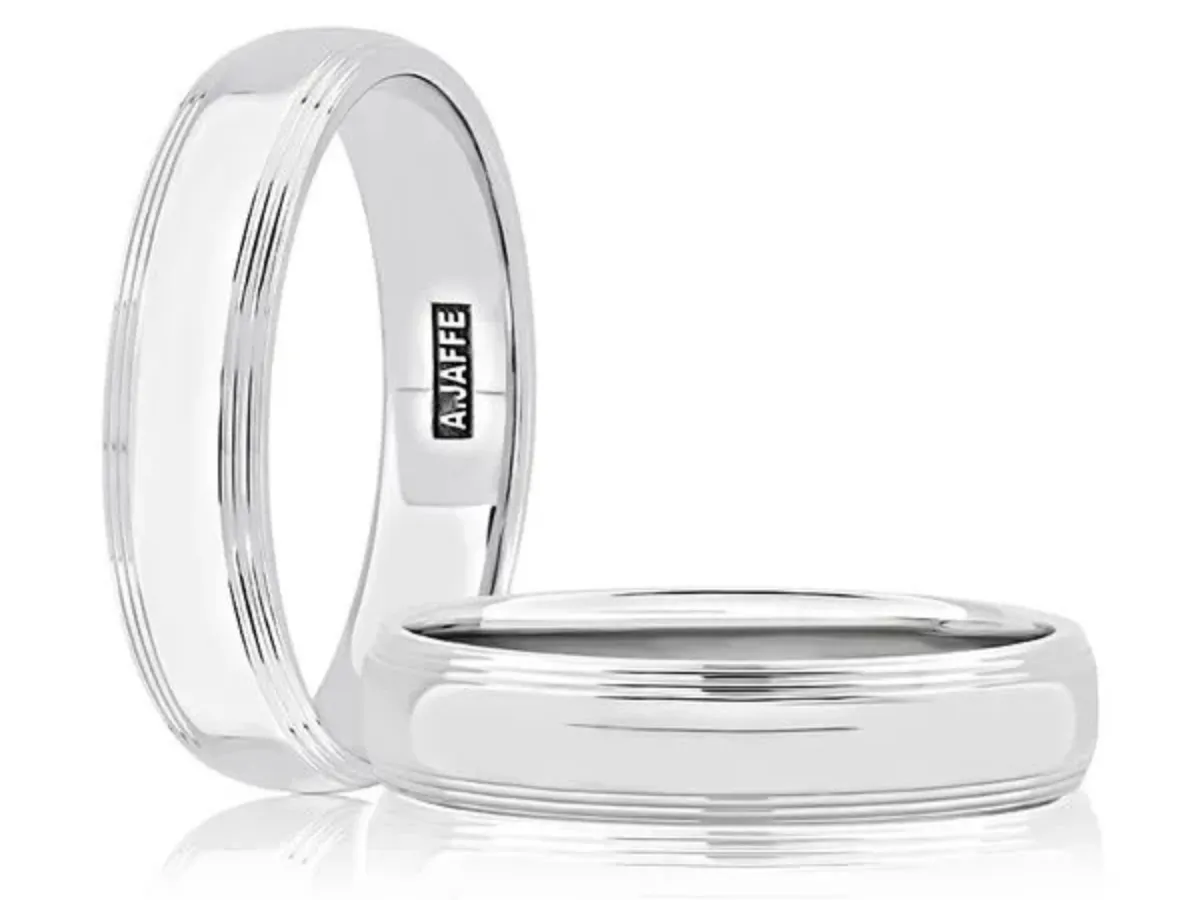
We offer a wide selection of wedding bands in platinum, yellow gold, white gold, rose gold, and other materials. Our friendly team can help you understand the differences between each metal and find a band that fits your lifestyle, aesthetic, and budget. Whether you are looking for a simple, classic design or something more unique, we are committed to providing honest, caring advice.
We value our multigenerational customers and aim to build lasting relationships. Come visit Ken Walker Jewelers, and let us help you find the perfect symbol of your love.
Frequently Asked Questions
What is the strongest metal for a wedding band?
Platinum is often considered the strongest and most durable precious metal for a wedding band. While it can scratch, it does not lose metal, meaning the ring's weight and volume stay the same over time. Tungsten is also extremely hard, but it is not a precious metal and can be brittle.
Is platinum worth the extra cost for a wedding band?
Many people find platinum worth the cost because of its natural white color, durability, hypoallergenic properties, and the fact that it does not wear away. It is a premium choice that offers unique benefits for a lifetime of wear.
Can I mix different metal colors in my wedding set?
Yes, you can absolutely mix different metal colors! It is very common and stylish to wear an engagement ring in one metal color, like white gold, with a wedding band in another, such as rose gold or yellow gold. This creates a unique and personalized look.
How often does white gold need replating?
White gold typically needs to be replated with rhodium every 1 to 3 years. The frequency depends on how often you wear your ring and your daily activities. If you notice a yellowish tint appearing, it is time for replating.
What if I have a metal allergy?
If you have a metal allergy, platinum or palladium are generally the safest choices because they are naturally hypoallergenic and very pure. If you prefer gold, ask for nickel-free white gold or stick with yellow or rose gold, but be aware that some people can be sensitive to the alloys in those metals as well. Always discuss your allergies with your jeweler.