
When planning a wedding, many grooms focus on the venue, attire, and guest list, but the wedding band deserves equal attention. Choosing the right wedding band is crucial, as it symbolizes commitment and can reflect the groom's personal style. With many options available, it’s essential to stay updated on current trends that can influence this important decision.
From unique materials and widths to incorporating gemstones, grooms can find bands that suit their tastes and values. Some trends focus on comfort, while others emphasize unique designs or ethical sourcing. Understanding these factors will help ensure they make a choice they will cherish for a lifetime.
Key Takeaways
- The right wedding band reflects personal style and commitment.
- Trends include unique materials, widths, and ethical considerations.
- Grooms should budget and time their purchase for the perfect ring.
The Significance of Choosing the Right Wedding Band
Choosing a wedding band is a meaningful decision. It reflects commitment and personal style. The right band will hold sentimental value and serve as a daily reminder of love.
Symbolism and Tradition
Wedding bands have a rich history. They symbolize eternal love and commitment. The circular shape represents never-ending devotion. Many cultures incorporate unique traditions surrounding the exchange of rings.
For instance, some couples opt for engraved messages. These may include significant dates or personal vows. This adds a personal touch, linking the band to the couple’s journey.
In addition, wearing a wedding band shows commitment to others. It signals a partnership, showcasing a couple's bond to friends and family. Selecting a band that aligns with these symbols is essential for meaningful representation.
Personal Style and Comfort
The wedding band is more than a simple ring; it reflects personal style. A groom should consider his lifestyle and preferences. Different materials such as gold, platinum, and titanium offer various looks and durability.
Grooms should also consider the band’s width and thickness for comfort. Some may prefer a slim, understated band, while others might choose a bolder design. Trying on different styles can help find the right fit.
Additionally, the band should complement the engagement ring, if applicable. This ensures a cohesive look. Comfort is key, as the band will be worn daily. Choosing the right wedding band balances aesthetics and practicality.
Material Matters: Pros and Cons
Choosing the right material for a wedding band is important. Each type has its own benefits and drawbacks. Understanding these can help make a better decision.
Classic Gold
Gold is a traditional choice for wedding bands. It comes in different colors like yellow, white, and rose.
Pros:
- Timeless Appeal: Gold bands have a classic look that many prefer.
- Variety: Gold rings are available in different karats, affecting purity and price.
- Customizable: They can be easily engraved or designed in various styles.
Cons:
- Softness: Gold is softer than other metals, which may lead to scratches or dents.
- Allergies: Some people are allergic to certain alloys used in gold, like nickel.
- Maintenance: Gold requires regular polishing to maintain its shine.
Durable Platinum
Platinum is a strong and durable metal often chosen for wedding bands. It is naturally white and doesn’t tarnish.
Pros:
- Longevity: Platinum is extremely strong and resistant to wear, making it last a lifetime.
- Hypoallergenic: It’s a good choice for sensitive skin and those allergic to other metals.
- Weighty Feel: Many appreciate the solid and luxurious feel of platinum rings.
Cons:
- Cost: Platinum tends to be more expensive than gold and other metals.
- Scratches: While strong, it can get scratched, and those scratches can be more noticeable.
- Maintenance: Requires polishing to keep its shine, similar to gold.
Modern Metals
Modern metals like titanium, tungsten, and stainless steel are becoming more popular. Each offers unique qualities.
Pros:
- Affordability: These metals are often less expensive than gold or platinum.
- Strength: Metals like tungsten are very tough and resistant to scratches.
- Lightweight Options: Titanium, in particular, is light and comfortable for daily wear.
Cons:
- Less Traditional: Some might feel modern metals lack the classic elegance of gold or platinum.
- Limited Resizing: Metals like tungsten cannot be resized easily if needed.
- Newness: There may be less information available about long-term durability compared to classic choices.
Current Trends in Wedding Bands
Grooms today have plenty of options when choosing a wedding band. Some of the most popular trends include mixed metals, unique textures, vintage styles, and personalized engravings. Each choice reflects personal style and values.
Mixed Metals
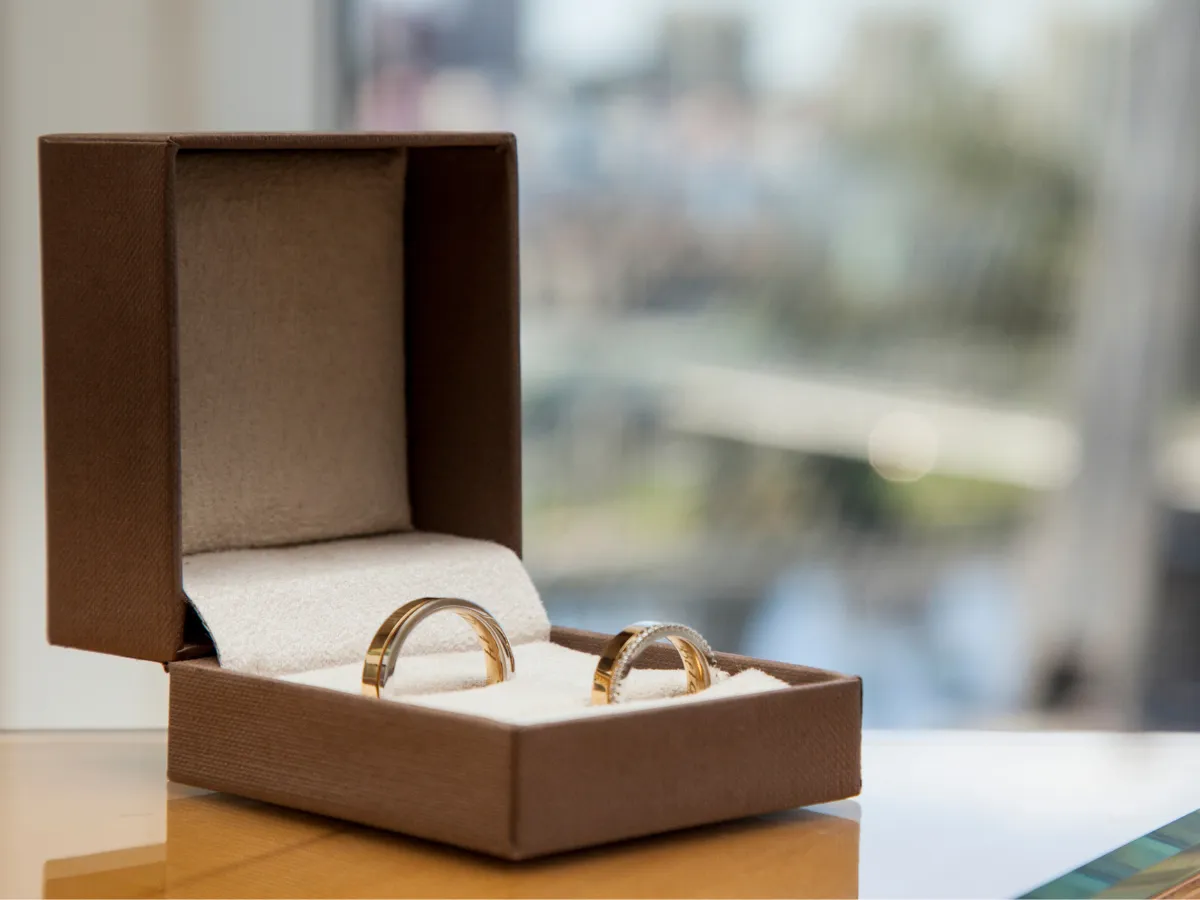
Mixed metal wedding bands combine different materials, like gold, silver, and platinum. This trend allows for personalization and a unique look. For example, a band might have a white gold base with yellow gold accents.
This design complements the engagement ring nicely, especially if it features multiple metals. It offers versatility and can match various jewelry styles. Grooms can also choose contrasting metals for a bolder statement.
Mixing metals makes a wedding band distinctive. Many jewelers offer expert advice on complementing colors and finishes.
This design complements the engagement ring nicely, especially if it features multiple metals. It offers versatility and can match various jewelry styles. Grooms can also choose contrasting metals for a bolder statement.
Mixing metals makes a wedding band distinctive. Many jewelers offer expert advice on complementing colors and finishes.
Unique Textures and Finishes
Unique textures and finishes are becoming increasingly popular in wedding bands. Instead of traditional smooth bands, grooms opt for styles with matte or hammered finishes. These textures add character and make the ring stand out.
Engraved patterns, brushed surfaces, and sandblasted finishes each create different looks. The choices enhance the ring's visual appeal while adding a personal touch.
Some grooms even choose rings with mixed textures, like a combination of polished and matte sections. This trend allows for creativity and self-expression.
Ultimately, these unique finishes cater to personal taste while setting the band apart from the typical designs.
Engraved patterns, brushed surfaces, and sandblasted finishes each create different looks. The choices enhance the ring's visual appeal while adding a personal touch.
Some grooms even choose rings with mixed textures, like a combination of polished and matte sections. This trend allows for creativity and self-expression.
Ultimately, these unique finishes cater to personal taste while setting the band apart from the typical designs.
Vintage-Inspired Designs
Vintage-inspired wedding bands take cues from previous generations. They often feature intricate details, like filigree or milgrain edging, which enhance their charm.
Many grooms choose these styles for their timeless appeal and connection to history. These designs can include antique finishes or gemstones, reflecting personal stories or family heirlooms.
A vintage band often feels meaningful, carrying the weight of tradition. Grooms can also consider modern bands with vintage aesthetics, maintaining classic elegance while incorporating contemporary elements.
This trend offers abundant options for anyone looking to intertwine past style with modern fashion.
Many grooms choose these styles for their timeless appeal and connection to history. These designs can include antique finishes or gemstones, reflecting personal stories or family heirlooms.
A vintage band often feels meaningful, carrying the weight of tradition. Grooms can also consider modern bands with vintage aesthetics, maintaining classic elegance while incorporating contemporary elements.
This trend offers abundant options for anyone looking to intertwine past style with modern fashion.
Custom Engravings
Custom engravings allow for personalization, making each wedding band one-of-a-kind. Grooms can choose to have initials, special dates, or meaningful symbols etched into their bands.
This trend is popular as it adds a deeply personal touch. It connects the ring to the couple's love story in a unique way.
Some choose light engravings for a subtle effect, while others prefer bold designs. Couples can even select quotes or phrases that hold significance for them.
Custom engravings provide a way to express individuality and share cherished memories. This trend is perfect for those who value a meaningful, personalized approach to their wedding band choice.
This trend is popular as it adds a deeply personal touch. It connects the ring to the couple's love story in a unique way.
Some choose light engravings for a subtle effect, while others prefer bold designs. Couples can even select quotes or phrases that hold significance for them.
Custom engravings provide a way to express individuality and share cherished memories. This trend is perfect for those who value a meaningful, personalized approach to their wedding band choice.
Width and Fit: Selecting the Right Size
Choosing the right width and fit for a wedding band is essential. It affects comfort and style. Grooms should consider both the width of the band and how it feels on their finger.
Narrow vs. Wide Bands
Narrow bands typically measure between 2mm and 4mm. They offer a subtle look and are often lighter. Many grooms prefer narrow options for a minimalist appearance.
Wide bands, on the other hand, range from 6mm to 10mm or more. These bands make a bold statement and can be more visible. They might suit those who enjoy a bit of flair and presence in their jewelry choice.
The right width depends on personal style and finger size. A wider band generally looks better on larger hands. A narrow band complements smaller hands nicely.
The Comfort Fit
Comfort fit rings feature a rounded interior. This design allows them to slide on and off more easily. They can make a significant difference in how the band feels during daily wear.
Choosing a comfort fit often means selecting a slightly larger size. The rounded edges reduce friction against the skin. This fit can help prevent pinching, making the ring more enjoyable to wear.
It is crucial to try on different styles and widths to find what feels right. The perfect fit ensures satisfaction for years to come.
Incorporating Gemstones
Gemstones can add a unique touch to wedding bands. They offer a blend of personal style and significance. Choosing the right stones and settings can make a wedding band truly special.
Diamonds and Their Alternatives
Diamonds are a classic choice for wedding bands. They signify lasting love and commitment. However, many grooms are exploring alternatives like sapphires, emeralds, and rubies. Each gemstone brings its own meaning and color.
- Sapphires: Often a symbol of loyalty and wisdom, sapphires can come in various shades, including blue and pink.
- Emeralds: Known for their vibrant green hues, emeralds represent hope and renewal.
- Rubies: Representing passion and love, rubies are a bold choice that stands out.
These gemstones can be used alone or combined with diamonds to create a unique look.
Setting Styles
The setting of gemstones can greatly influence the band’s appearance. Popular settings include:
- Prong Setting: This allows light to reach the gemstone, enhancing its brilliance.
- Bezel Setting: This encircles the stone, providing a sleek look and extra protection.
- Channel Setting: This style sets multiple stones in a row without visible prongs, creating a seamless appearance.
The choice of setting not only affects aesthetics but also durability. Grooms should consider their lifestyle when selecting a setting to ensure it fits their daily routine.
Ethical Considerations
Choosing a wedding band involves more than just style and price. Grooms should consider the ethical aspects of their choices. Sustainable materials and conflict-free gems play a key role in making responsible decisions.
Sustainable Materials
Sustainable materials are a popular choice for wedding bands. These materials come from sources that are environmentally friendly and give back to nature.
Some options include:
- Recycled gold and silver: This reduces the need for new mining.
- Lab-grown alternatives: These provide a similar look to traditional metals without harming the earth.
Choosing sustainable materials helps limit environmental damage. It also supports responsible mining and manufacturing practices. This choice can reflect a groom's values, showing a commitment to the planet.
Conflict-Free Gems
Conflict-free gems are essential for grooms who value ethical sourcing. These gems are sourced without funding violence or human rights violations.
When selecting diamonds or other stones, look for certifications:
- Kimberley Process: Certifies that diamonds are conflict-free.
- Responsible Jewellery Council (RJC): Ensures ethical business practices.
By choosing conflict-free gems, grooms support fair labor practices and local communities. This choice not only highlights personal values but also adds a meaningful story to the wedding band.
Care and Maintenance of Your Wedding Band
Keeping a wedding band in great shape requires regular care and occasional professional help. Proper cleaning and servicing can extend the life of the ring and keep it looking its best.
Routine Cleaning
Regular cleaning is essential for maintaining a wedding band’s shine. A simple method involves using a mild soap and warm water.
- Mix a small amount of dish soap with warm water.
- Soak the ring for 15 to 20 minutes.
- Gently scrub with a soft toothbrush.
- Rinse thoroughly under warm running water.
Avoid harsh chemicals and abrasive materials, as these can scratch the metal. After cleaning, dry the ring with a soft cloth. Frequent cleaning helps remove dirt and oils, which can dull the finish. Aim to clean the ring once every few weeks to keep it looking vibrant.
Professional Servicing
Scheduling professional servicing at least once a year is beneficial. A jeweler can check for any damage and ensure everything is secure.
During a servicing appointment, they will:
- Inspect the setting for loose stones.
- Polish the ring for a fresh shine.
- Rhythm plating if needed, especially for white gold.
This service helps address wear and tear that everyday cleaning might miss. It can also catch potential problems before they worsen. Investing time in professional care ensures the wedding band remains beautiful and intact for years to come.
Budgeting for Your Band
Setting a budget for wedding bands is essential. Different factors influence the price, and knowing how to allocate expenses can help make the right choice.
Understanding Price Factors
Several factors determine the price of wedding bands. Material choice is one of the biggest influences. For example, platinum bands tend to cost more than gold or silver.
Additional factors include:
- Design intricacies: Custom designs or unique styles can increase costs.
- Brand reputation: Well-known brands usually charge more.
- Stone options: Diamonds or other gemstones can add to the total price.
Grooms should research prices beforehand. Comparing options helps in getting the best deal. Taking time to understand these price factors can prevent overspending.
Allocating Wedding Expenses
Wedding budgets require careful planning. Couples should break down total costs and allocate funds to each category. This includes the venue, catering, attire, and the band.
Sample Allocation:
| Expense Category | Percentage of Total Budget |
|---|---|
| Venue | 30% |
| Catering | 30% |
| Wedding Band | 10-15% |
| Photography | 10% |
Knowing where to spend more or less is important. It can help make informed choices without financial stress. Balancing quality and affordability is key to successfully budgeting for the wedding band
Timing Your Purchase
Buying a wedding band should not be a last-minute task. Grooms should plan their purchase ahead of time to avoid stress.
Recommended Timeline
- 3 to 6 Months Before: This is the best time to start looking. It allows enough time to explore different styles and options.
- 2 to 4 Months Before: This is when grooms can start narrowing down choices. He can then visit stores and try on bands.
- 1 Month Before: Make the final decision and place the order. This timeframe helps avoid any delays.
Important Considerations
- Size and Comfort: A ring should fit perfectly. Grooms should allow time for resizing if necessary.
- Customization: If he wants a unique design, it can take more time. Custom bands often require several weeks for completion.
- Shipping Times: If ordering online, factor in shipping times. It’s better to order early to ensure it arrives on time.
Additional Tips
- Keep Track of Important Dates: Write down when to start looking, trying on rings, and ordering.
- Visit Multiple Jewelers: Shopping around can lead to better options and prices.
By planning ahead, he can enjoy the process of selecting a wedding band without rushing.
Frequently Asked Questions
Grooms often have many questions about choosing wedding bands. The following answers provide insight into trends, styles, customs, and budget considerations for men's wedding rings.
What are the latest trends in men's wedding bands for this year?
This year, men's wedding bands focus on uniqueness and personalization. Many grooms opt for mixed metals, like a blend of gold and titanium. Textured finishes and matte surfaces are also popular.
How have gold wedding band styles evolved for grooms recently?
Gold wedding bands have seen a shift from classic polished styles to more modern designs. Many grooms now prefer yellow, white, or rose gold options with brushed or hammered finishes. This change reflects a desire for individuality.
What customary considerations affect the choice of wedding rings?
Traditions can play a big role in choosing wedding rings. Some cultures have specific customs regarding metal types or designs. Grooms often consider family heirlooms, which add sentimental value to their choices.
What is often expected in terms of who purchases the groom's ring?
Traditionally, the bride often purchases the groom’s wedding band. However, many couples now share the cost. It’s common for grooms to get involved in the selection process.
What is considered an appropriate budget for men's wedding bands?
Budgets for men's wedding bands vary widely. A common range is between $200 to $1,500, depending on materials and design complexity. Grooms should set a budget that reflects their personal values and preferences.
Are there any significant cultural influences on men's wedding band selections?
Cultural backgrounds can greatly influence wedding band choices. Some cultures prioritize specific materials or symbols. Grooms may choose rings that reflect their heritage and personal stories.