
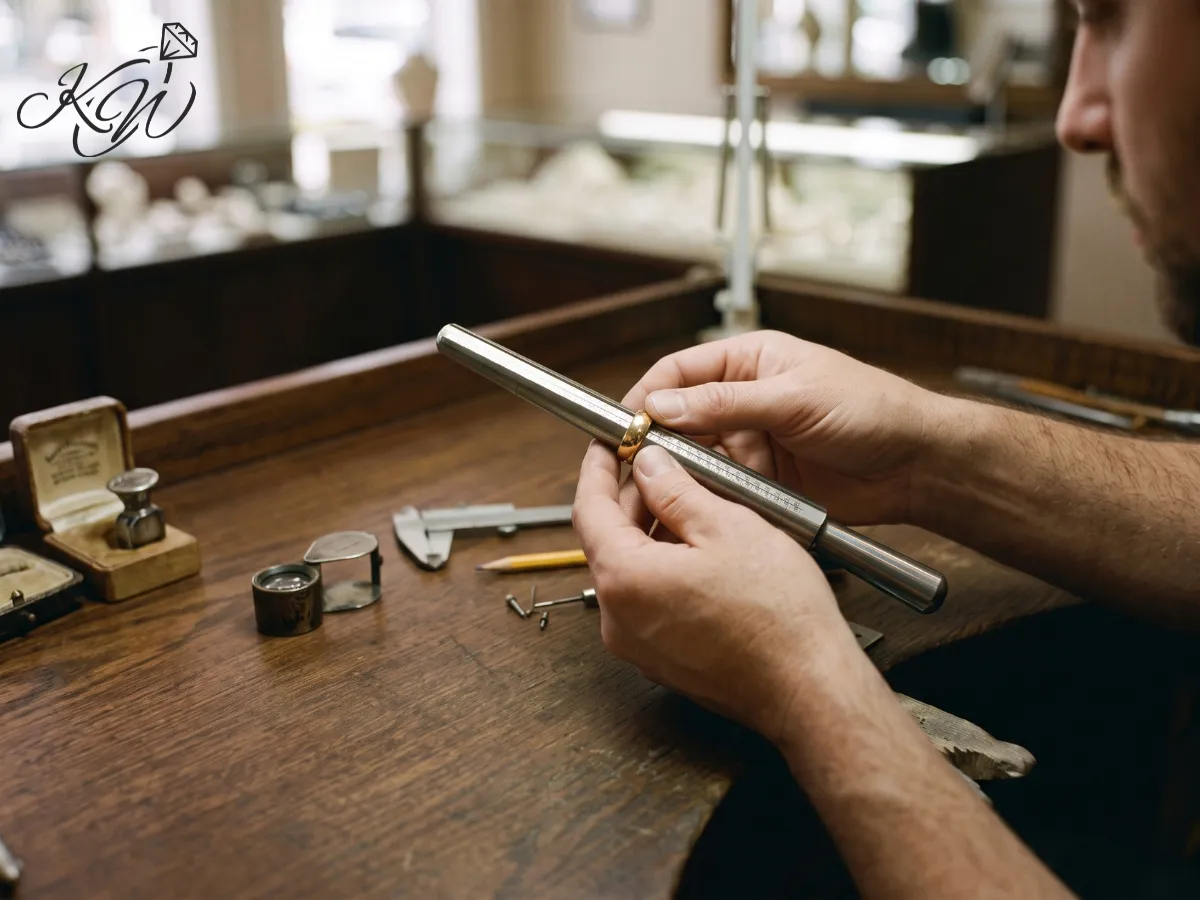
Finding the perfect fit for your ring should feel simple and stress-free. Whether your fingers have changed over the seasons, you inherited a family heirloom, or your brand-new ring feels a bit too loose, professional resizing makes your piece comfortable and safe to wear again. At Ken Walker Jewelers, we believe you deserve straightforward answers about what ring adjustments cost and how the process works.
Wedding bands hold deep sentimental meaning. Because you wear yours every day, having the right fit protects you from losing it while keeping your finger comfortable. The exact price for band adjustments depends on several clear factors, such as the metal type, how many sizes you need to adjust, and the overall design.
Key Takeaways
- Basic adjustments for plain gold or silver bands typically range from $40 to $150.
- Making a ring larger generally costs more than making it smaller because the jeweler must add precious metal.
- Band width, thickness, and channel-set diamonds or engravings can raise labor costs.
- Alternative metals like tungsten, titanium, and stainless steel usually cannot be altered with heat or solder.
- Simple non-permanent options, such as sizing beads, offer affordable solutions for minor fit issues.
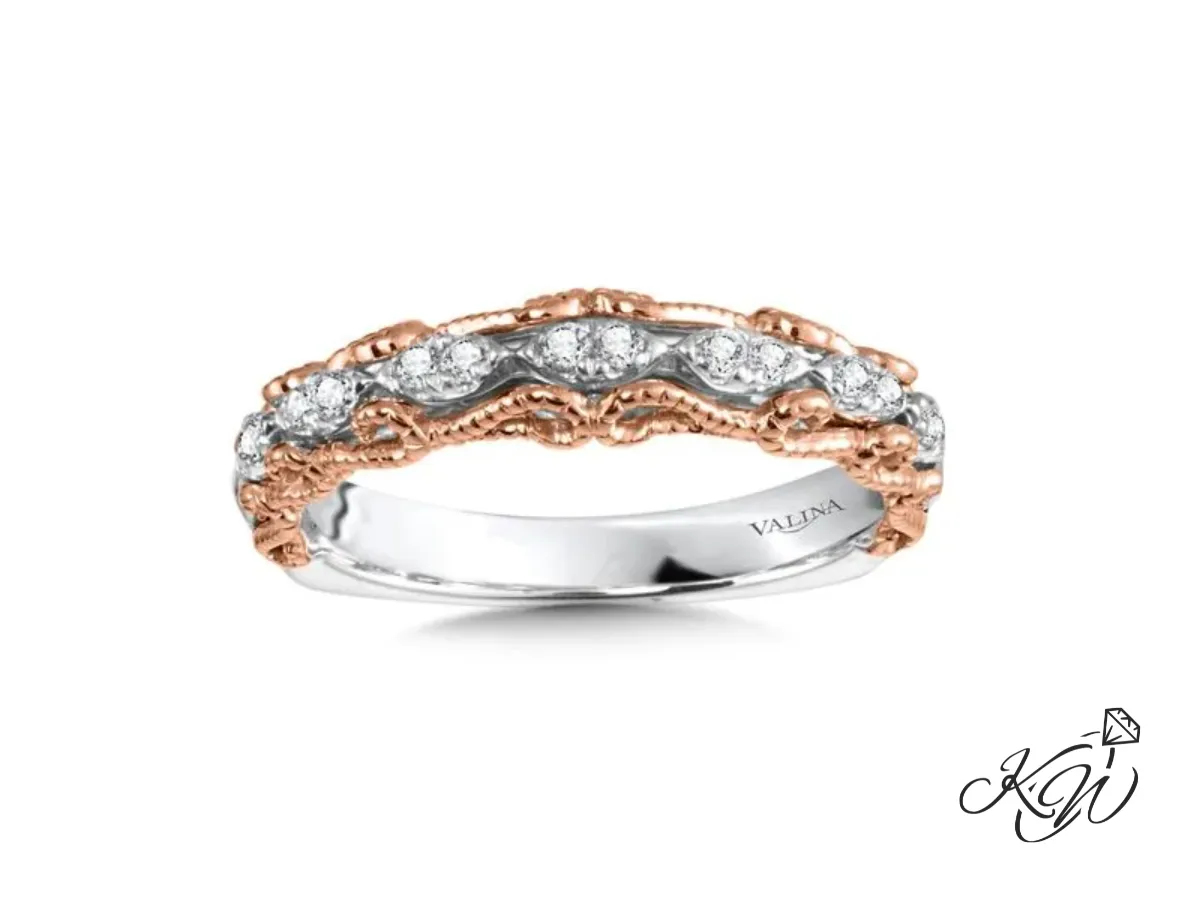
Average Cost of Wedding Band Resizing
The cost to adjust a ring varies based on the work needed. A simple reduction on a plain yellow gold band takes less labor and no extra metal. On the other hand, enlarging a wide platinum band requires specialized tools, high heat, and added platinum stock.
Below is an overview of typical price ranges for common wedding band adjustments:
|
Metal Type |
Sizing Down (Smaller) |
Sizing Up (1 to 2 Sizes) |
Sizing Up (3+ Sizes) |
|
Sterling Silver |
$30 - $60 |
$40 - $80 |
$60 - $110 |
|
10K / 14K Yellow Gold |
$40 - $90 |
$60 - $140 |
$110 - $220 |
|
14K / 18K White Gold (Includes Rhodium) |
$60 - $120 |
$90 - $180 |
$140 - $260 |
|
18K / 22K Rose or Yellow Gold |
$50 - $110 |
$80 - $190 |
$150 - $300 |
|
Platinum |
$80 - $160 |
$130 - $280 |
$220 - $450+ |
Note: These prices reflect standard estimates. Rings with complex designs, deep custom engravings, or tension-set gemstones may require a custom quote from your jeweler.
Key Factors That Influence the Price
Every piece of jewelry is unique. When you bring your band into a local bench jeweler, they evaluate several physical traits before giving you a final price.
Precious Metal Type and Purity
The type of metal in your ring plays the largest role in material costs:
- Silver: Very soft and easy to work with, making it the most budget-friendly metal to alter.
- Yellow Gold: Standard to solder and blend. Higher karats (like 18K) contain more pure gold, which increases the material cost when adding metal.
- White Gold: Requires an extra step called rhodium plating. White gold is naturally slightly warm or grey in tone. Jewelers apply a thin layer of bright white rhodium after soldering and polishing, which adds between $30 and $60 to the final bill.
- Platinum: Has a much higher melting point than gold and requires specialized torches, eye protection, and platinum solder. It is also a dense, heavy metal, making the added material more costly.
Making the Ring Larger vs. Making It Smaller
The direction of the adjustment changes both the time and materials needed:
- Going Smaller: The jeweler cuts out a tiny piece of the shank, bends the two open ends together, and solders the joint closed. Because no new metal is added, this is almost always the more affordable option.
- Going Larger: The jeweler cuts the band and spreads it open to the desired size. They insert a new bridge of matching metal into the gap, solder both sides, and polish the seam flat. You pay for both the jeweler's labor and the cost of the added gold or platinum.
Ring Width and Band Thickness
A slender 2-millimeter band takes very little metal and quick torch work. In contrast, a heavy 8-millimeter men's wedding band requires a much larger piece of gold to fill the gap when sizing up. Jewelers calculate the cost of added metal by weight, so thicker bands will carry higher material charges.
Common Ring Widths and Material Impact:
- Thin Bands (1.5mm - 2.5mm): Low metal requirement; lower cost.
- Medium Bands (3mm - 5mm): Standard metal requirement; moderate cost.
- Wide Bands (6mm - 9mm+): Heavy metal requirement; higher cost.
Intricate Designs, Engravings, and Stones
Plain metal bands are straightforward to fix. Bands with decorative elements require extra skill and labor:
- Eternity Bands: Rings with diamonds circling the entire circumference usually cannot be altered without rebuilding the setting or removing stones.
- Channel or Pavé Settings: Bending a ring with stones can loosen prongs or pinch channels, causing diamonds to pop out. The jeweler must inspect and tighten every stone afterward.
- Patterns and Milgrain: If your band has a woven, hammered, or milgrain pattern, cutting the band breaks the pattern. The jeweler must hand-engrave the pattern across the new seam so it matches the rest of the ring.
- Inside Engravings: A personal date or message inside the band might sit right where the cut must be made. Restoring or re-engraving that message adds to the total service charge.
Pro Tip: If your ring has sentimental inside engravings, point them out to your jeweler before work begins. A jeweler can often cut through an unengraved section to preserve your original inscription.
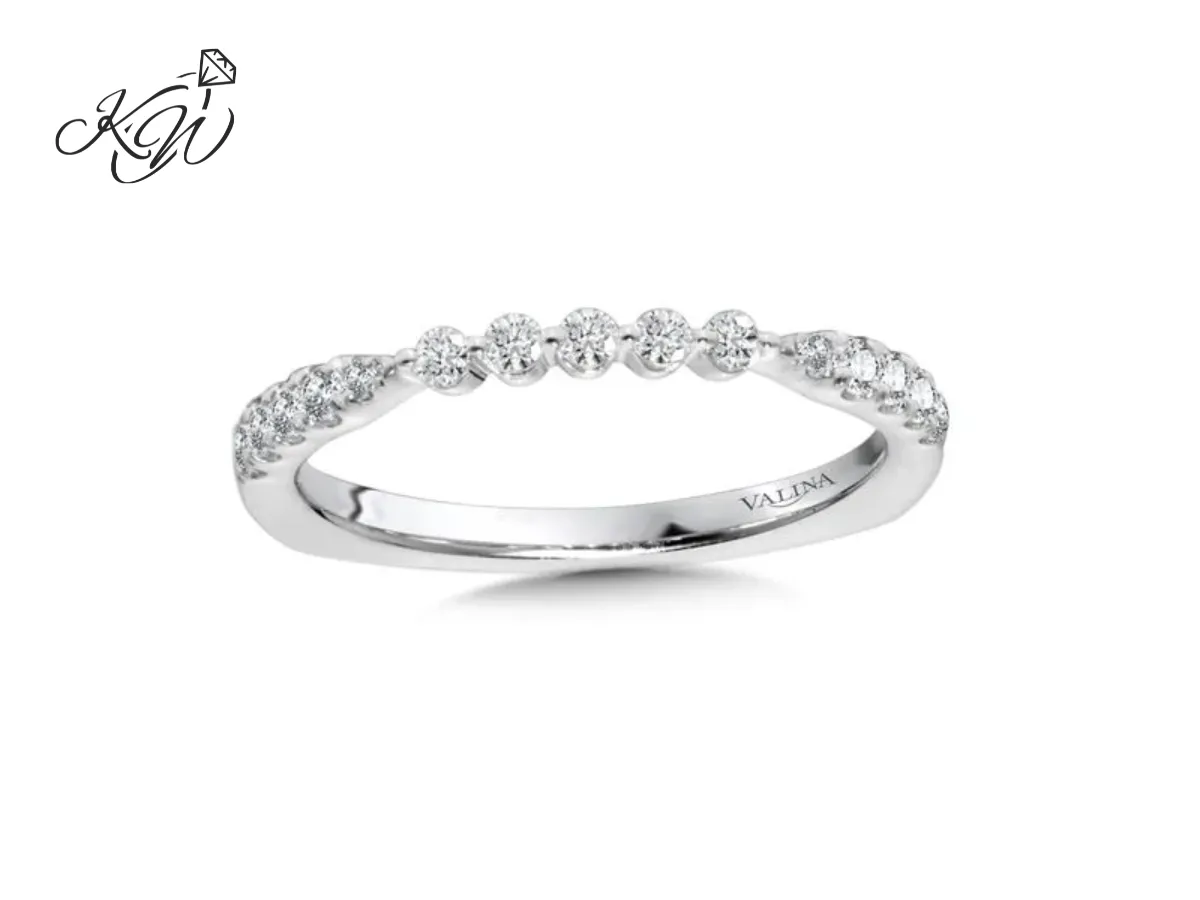
How Jewelers Adjust the Size of a Band
Professional jewelers use proven bench methods to modify rings without weakening their structure.
Cutting and Soldering
This is the standard approach for fine jewelry:
- Measurement: The jeweler checks your finger size using metal sizing rings and measures your ring on a calibrated steel mandrel.
- Cutting: A jeweler uses a micro-saw to make a clean, straight cut at the back of the shank.
- Adjustment: For reductions, they snip out a calculated sliver of metal. For expansions, they gently pull the ring open and insert a matching piece of gold or platinum wire.
- Soldering: Using a high-heat torch or laser welder, the jeweler fuses the joints together with matching solder.
- Finishing: The jeweler files down excess solder, rounds the band on a mandrel, and buffs the metal to a smooth finish.
Stretching or Compressing Simple Bands
For plain, stone-free bands that only need a tiny change (such as a quarter or half size), jewelers sometimes use a mechanical ring stretcher or reducer.
- Stretching: The band sits on an expanding metal rod that pushes the ring slightly outward.
- Compressing: The band is pressed into a smooth, tapered die that squeezes the circumference inward.
This process involves no cutting, soldering, or heat. However, it can only be done on sturdy, plain bands. Stretching a ring too much can thin the metal or crack it, so experienced jewelers use this method sparingly.
Sizing Alternatives When Cutting Is Not an Option
Sometimes you may not want to cut your band, or your knuckle might be significantly larger than the base of your finger. In these situations, non-destructive fit adjusters keep the ring from sliding around or spinning.
Non-Destructive Fit Options:
- Sizing Beads
- Two small metal bumps soldered to the inside bottom of the band.
- They hold the ring upright and slip over large knuckles.
- Typical Cost: $40 - $90.
- Spring Insert (Horseshoe Shim)
- A flat, springy bar fitted inside the lower half of the band.
- It flexes open as the ring passes your knuckle, then rests snugly against your finger.
- Typical Cost: $100 - $180.
- Ring Guards / Clip-On Sizers
- Clear silicone or temporary metal clips that wrap around the outside of the shank.
- A budget-friendly way to test a tighter fit before committing to metalwork.
- Typical Cost: Under $15.
Metals That Cannot Be Altered Easily
Contemporary wedding bands often feature alternative metals. While these materials are durable and budget-friendly, many traditional jewelry benches cannot alter them with heat or hand tools.
Contemporary Metals Breakdown
- Tungsten Carbide: Extremely hard and brittle. It cannot be cut, bent, or soldered. If your tungsten band no longer fits, it must be replaced entirely.
- Titanium: Has an exceptionally high melting point and reacts poorly to oxygen when heated. Very few jewelers can stretch titanium, and cutting or soldering is generally not offered.
- Stainless Steel: Difficult to solder cleanly without specialized industrial gear. Most local jewelry shops do not offer alterations for steel rings.
- Cobalt Chrome: Can sometimes be stretched by a quarter size on industrial machinery, but cutting and soldering are rarely possible.
If you own an alternative metal band that feels too tight or loose, check with the retailer where you bought it. Many companies offer replacement warranty programs that swap your band for a new size at a nominal fee.
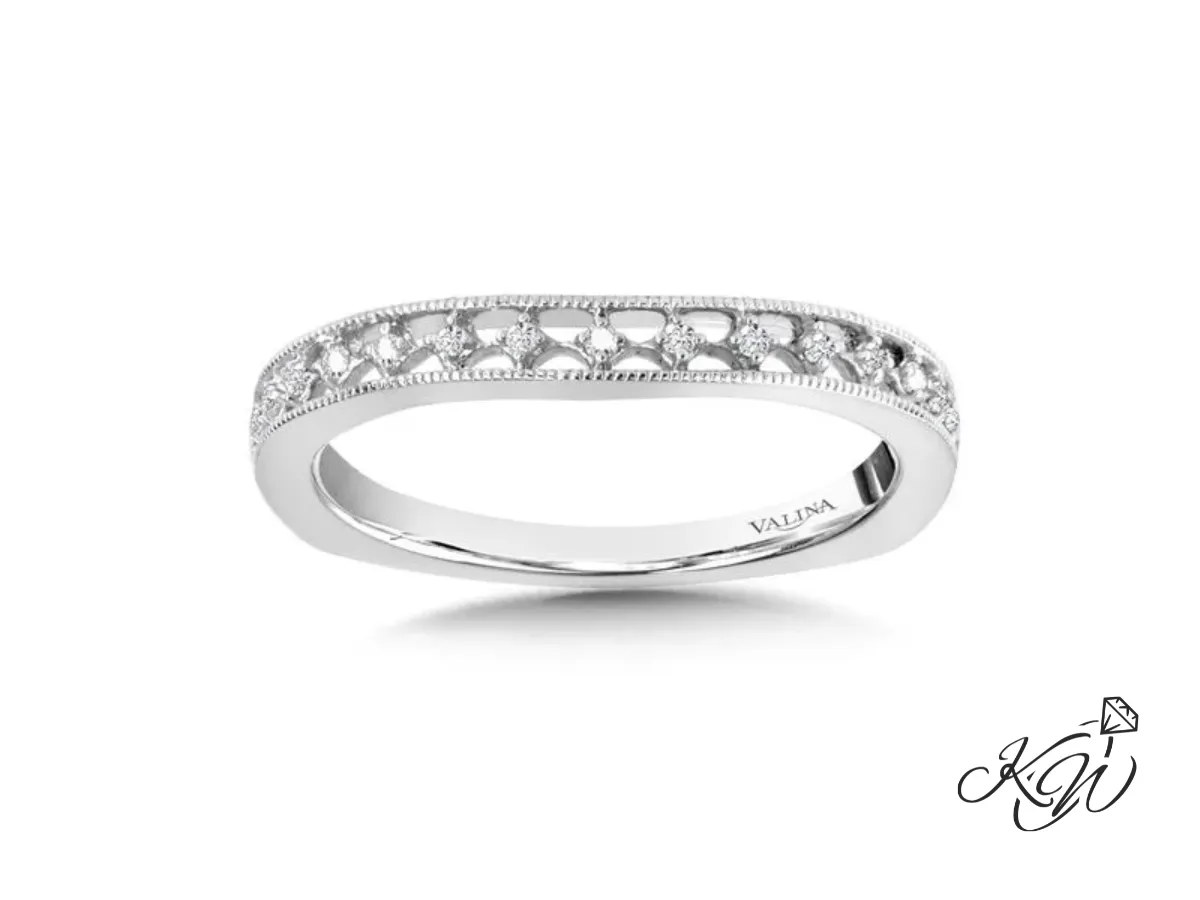
Tips to Prepare Before Visiting Your Jeweler
To get the most accurate fit and avoid repeat trips to the jewelry counter, keep these practical points in mind:
- Check Your Hands at Room Temperature: Fingers swell in hot weather, after workouts, or after eating salty meals. They shrink in cold weather. Measure your finger when your hands are at a comfortable, normal temperature.
- Pay Attention to Ring Width: Wide bands fit much more snugly than thin bands. If your original ring was 2 millimeters wide and your wedding band is 6 millimeters wide, you will likely need a slightly larger size to feel comfortable.
- Wait a Few Weeks: If your ring feels slightly snug right after a wedding or during travel, give yourself a couple of weeks to settle back into your regular routine before altering the metal.
- Choose an Experienced Bench Jeweler: Work with an established, family-owned jewelry store that handles repairs on site. Asking questions about their process and warranties gives you confidence that your ring is in capable hands.
Key Insight: Never try to force an ill-fitting ring over a swollen knuckle using soap or oil on a daily basis. Prolonged wear of a tight ring can restrict circulation and irritate your skin. A quick trip to your local jeweler can fix the problem permanently.
Frequently Asked Questions
How long does it usually take to adjust a wedding band?
Most independent jewelry stores complete standard adjustments within 3 to 7 business days. If the ring features complex diamond settings or needs custom laser work, it may take up to two weeks. Some jewelers also offer same-day express service for an added fee.
Can an eternity band with diamonds all the way around be altered?
In most cases, true eternity bands cannot be modified through traditional cutting and soldering. Because diamonds cover the entire surface, there is no plain metal area to cut without disturbing the stone settings. Minor adjustments can sometimes be made by adding thin inner liners or sizing beads, but large changes usually require remaking the ring.
Will the adjustment leave a visible mark or seam on my ring?
A professional bench jeweler cuts, solders, and polishes the ring so cleanly that the seam is invisible to the naked eye. Under high magnification, a jeweler might detect a faint difference in solder density, but the outside and inside of your band should look smooth and uniform.
How many times can a wedding ring be adjusted over a lifetime?
Most quality gold and platinum bands can safely undergo adjustments two or three times over their lifespan. However, repeatedly heating, stretching, or cutting the same spot can weaken the metal and make the band brittle. Your jeweler will inspect the thickness of the shank to confirm whether the ring is strong enough for another change.
Is it cheaper to make a ring smaller or larger?
Making a ring smaller is almost always less expensive. When a jeweler sizes a ring down, they simply remove a small sliver of metal and solder the ends together. Sizing up requires the jeweler to provide and solder new matching precious metal, which increases both the material cost and labor time.
Final Thoughts
A wedding band represents love, loyalty, and lifelong memories. When your band fits comfortably, you can wear it with confidence every single day. While costs can vary between $30 for a minor silver fix and upwards of $200 for intricate platinum work, standard gold wedding band adjustments remain an accessible and worthwhile investment.
When you are ready to adjust your piece, stop by a trusted local jeweler for an in-person assessment. With honest guidance and careful bench work, your wedding band will feel just as wonderful as the day you first put it on.
Ready for the perfect, comfortable fit? Visit Ken Walker Jewelers today to have your wedding band professionally measured and evaluated by our friendly, experienced team.