
Blog
Understanding Personal Preferences: Key Factors in Selecting a Unique Engagement
Published: Feb 26, 2025
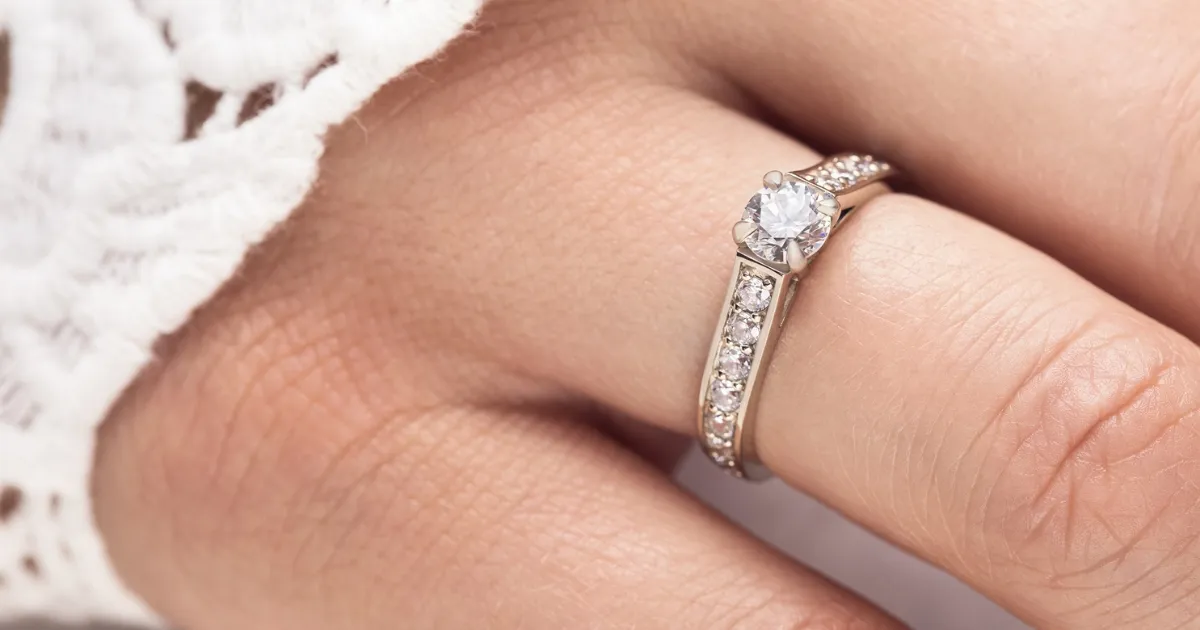
Choosing an engagement ring is a deeply personal journey. It reflects not just a commitment but also individual tastes and lifestyle. Understanding personal preferences, such as style, comfort, and budget, can help in selecting a unique engagement ring that truly represents the couple's love story.
With various designs, settings, and stones available, it’s essential to identify what resonates most with the recipient. Factors like daily activities, aesthetic tastes, and long-term value play key roles in the decision-making process. Making informed choices ensures that the ring is not only beautiful but also meaningful.
Engagement rings symbolize love and commitment, which makes personalized style so important. A thoughtful approach considers both the aesthetic qualities and the practicality of wearing the ring. Finding the right balance leads to a choice that will be cherished for a lifetime.
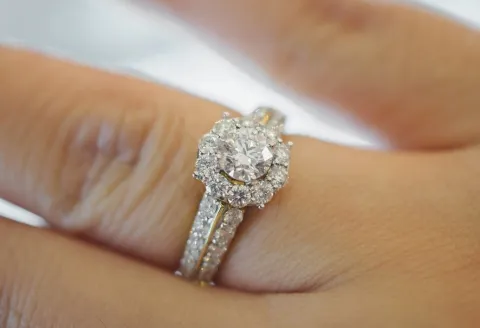
When selecting a ring, it helps to consider the person's wardrobe. A ring that matches their clothing style can enhance their overall look. Additionally, favorite metals such as gold, silver, or rose gold can guide choices. Personal preferences for gemstone colors also matter.
Symbolism also affects choices. Some rings might represent love, commitment, or heritage. Making a selection that honors these symbols can add emotional value. This not only shows thoughtfulness but also connects the couple's story to the ring itself.
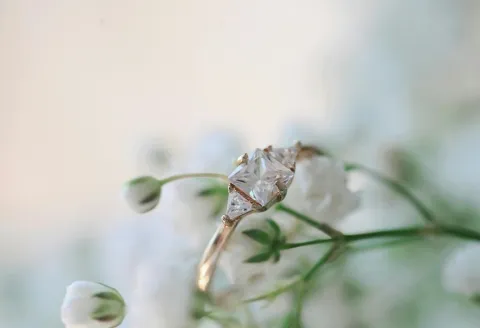
Materials also matter. Platinum is durable but heavier, while white gold is lighter and can scratch more easily.
It’s wise to avoid intricate designs for rings worn every day. Simpler styles often feel more comfortable and are easier to maintain. Couples should also consider choosing bands that can be resized.
Lastly, think about the ring's shape and how it sits on the finger. A smooth finish often provides a better fit during daily activities.
Gemstone choice is equally crucial. Sapphires and diamonds are strong, while softer stones may chip or scratch easily.
The setting type can influence ring strength. A bezel setting surrounds the stone and offers more protection than prongs.
In addition, consider how the ring will resist daily wear and tear. A ring designed for someone who frequently engages in physical activities should always be tough enough to withstand bumps and falls.
Key Points to Consider:
Important Aspects:
With various designs, settings, and stones available, it’s essential to identify what resonates most with the recipient. Factors like daily activities, aesthetic tastes, and long-term value play key roles in the decision-making process. Making informed choices ensures that the ring is not only beautiful but also meaningful.
Engagement rings symbolize love and commitment, which makes personalized style so important. A thoughtful approach considers both the aesthetic qualities and the practicality of wearing the ring. Finding the right balance leads to a choice that will be cherished for a lifetime.
Key Takeaways
- Personal style greatly influences engagement ring choices.
- Comfort and lifestyle are crucial for selecting the perfect design.
- Budget planning ensures a lasting and meaningful purchase.
The Significance of Personal Style
Personal style plays a crucial role in choosing an engagement ring. Factors like fashion trends and cultural meanings can deeply influence a person's choice. Understanding these elements helps in picking a ring that reflects the wearer’s individuality and values.Fashion and Jewelry Preferences
Fashion is an important part of personal style. Different people have various tastes, which shape their jewelry choices. Some prefer classic designs like solitaires, while others may favor modern styles with unique settings.When selecting a ring, it helps to consider the person's wardrobe. A ring that matches their clothing style can enhance their overall look. Additionally, favorite metals such as gold, silver, or rose gold can guide choices. Personal preferences for gemstone colors also matter.
Cultural and Symbolic Considerations
Cultural background often influences engagement ring selections. Many cultures have specific traditions regarding the types of rings worn during engagements. For instance, certain gemstones or settings may carry special meanings.Symbolism also affects choices. Some rings might represent love, commitment, or heritage. Making a selection that honors these symbols can add emotional value. This not only shows thoughtfulness but also connects the couple's story to the ring itself.
Understanding the Elements of Ring Design
Choosing an engagement ring involves many important design elements. Understanding these elements can help in selecting a ring that reflects personal style and significance.Ring Settings and Silhouettes
Ring settings hold the stone in place and shape the ring’s overall look. Popular settings include:- Solitaire: A single stone, classic and elegant.
- Halo: A center stone surrounded by smaller stones, offering extra sparkle.
- Three-Stone: Symbolizes the past, present, and future with three stones.
- Classic: Simple and timeless designs for a traditional feel.
- Contemporary: Bold, unique shapes that stand out.
- Vintage: Inspired by historical designs, often with intricate details.
Diamond Shapes and their Meanings
Diamonds come in various shapes, each with its distinct appeal and symbolism. Common shapes include:- Round: Known for brilliance, it represents eternal love.
- Princess: A square shape that symbolizes modernity and strength.
- Emerald: Rectangular with cut corners, it embodies elegance and sophistication.
Metal Types and their Characteristics
The choice of metal affects the ring's durability and style. Common metal types include:- Gold: Available in yellow, white, and rose, it offers warmth and character.
- Platinum: Highly durable and hypoallergenic, perfect for everyday wear.
- Palladium: A lighter alternative to platinum, it is resistant to tarnish.
Assessing Lifestyle and Comfort
Choosing an engagement ring involves considering personal style and comfort. Lifestyle and daily activities impact how a ring will be worn. Understanding these factors helps in selecting the perfect ring.Practical Considerations for Everyday Wear
When choosing a ring, it's important to consider daily activities. Those with active jobs may prefer a low-profile setting, which reduces the chance of snagging.Materials also matter. Platinum is durable but heavier, while white gold is lighter and can scratch more easily.
It’s wise to avoid intricate designs for rings worn every day. Simpler styles often feel more comfortable and are easier to maintain. Couples should also consider choosing bands that can be resized.
Lastly, think about the ring's shape and how it sits on the finger. A smooth finish often provides a better fit during daily activities.
Activity Level and Ring Durability
An active lifestyle requires careful thought about ring durability. For example, athletes should look for sturdy bands made of tough metals like tungsten or titanium.Gemstone choice is equally crucial. Sapphires and diamonds are strong, while softer stones may chip or scratch easily.
The setting type can influence ring strength. A bezel setting surrounds the stone and offers more protection than prongs.
In addition, consider how the ring will resist daily wear and tear. A ring designed for someone who frequently engages in physical activities should always be tough enough to withstand bumps and falls.
The Importance of Budget Planning
Budget planning is crucial when choosing an engagement ring. Setting a budget helps in making choices that fit financial situations while ensuring a meaningful purchase. A well-planned budget balances personal preferences and financial realities.Calculating the Cost of Craftsmanship
When considering an engagement ring, craftsmanship plays a significant role in the price. Skilled artisans often charge more for their expertise. Factors that affect the cost include:- Material quality: Higher quality metals and stones raise the price.
- Design complexity: Intricate designs usually cost more to create.
- Brand reputation: Well-known brands may have premium pricing.
Balancing Quality and Expense
Finding the right balance between quality and expense can be challenging. Prioritizing what matters most is key. Some consider the stone's quality as the most important factor, while others may focus on the overall design.- Invest in quality stones: A high-quality diamond may be more valuable over time.
- Consider simpler settings: These can maintain a beautiful appearance without high costs.
- Explore alternative materials: Lab-created diamonds or gemstones can offer elegant options at lower prices.
Lasting Value and Heirloom Potential
Choosing an engagement ring goes beyond personal taste. It also involves considering its lasting value and potential as a family heirloom. These factors play a significant role in making the right choice.Investment Considerations
When selecting an engagement ring, investment matters. Quality gemstones, like diamonds, often hold their value over time. Even unique stones can appreciate if chosen wisely.Key Points to Consider:
- Gem Quality: Higher quality stones are more likely to retain value.
- Craftsmanship: Well-made rings have a longer lifespan and better value.
- Market Trends: Understanding current trends helps in making informed decisions for future resale or inheritance.
Custom Design and Personal Legacy
Custom-designed rings carry a personal touch that can create a lasting legacy. They reflect individual stories and can be passed down through generations.Important Aspects:
- Meaningful Elements: Incorporating personal symbols makes the ring unique.
- Family Heritage: Using heirloom stones or designs can deepen the connection to the past.
- Versatile Styles: Custom designs can evolve with tastes over time.