
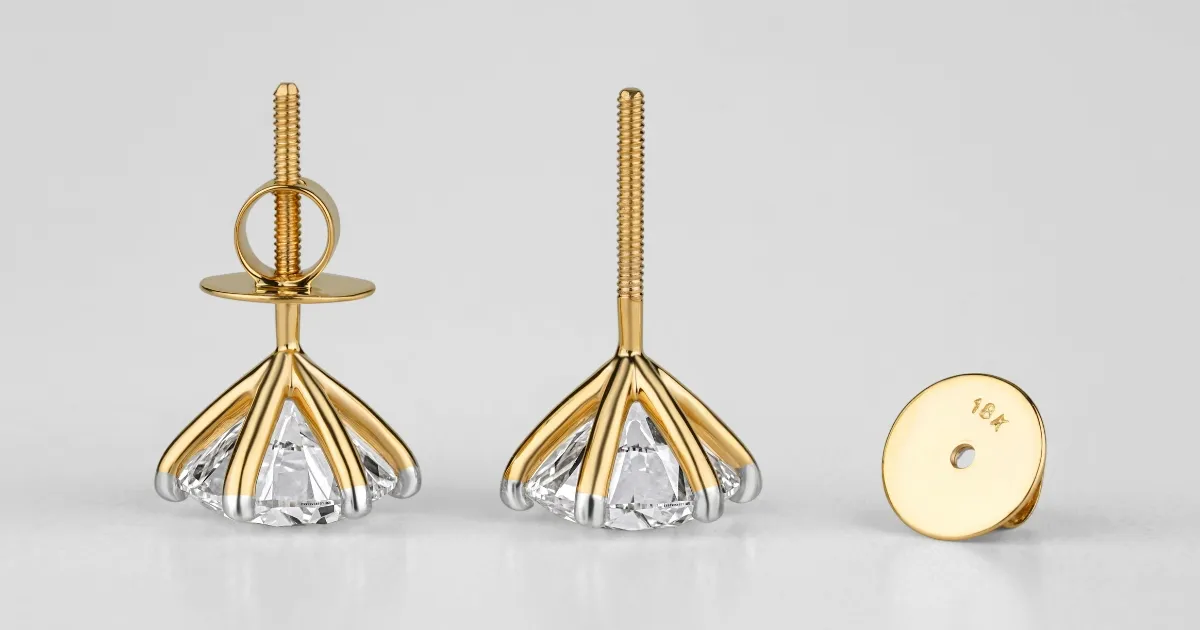
Choosing the right diamond cut grade for earrings can greatly affect their beauty and value. Diamond cut grades show how well the stone reflects light, which influences its sparkle and overall appearance. Knowing how to assess these grades helps in making informed decisions when shopping for diamond earrings.
Each cut grade represents a combination of shape, proportion, and quality, which play a key role in the diamond's shine. Understanding these factors allows buyers to select earrings that match their preferences and budget. Whether looking for an elegant everyday pair or a stunning piece for special occasions, cut grades are essential to consider.
Shedding light on these aspects helps buyers navigate the world of diamond earrings with confidence. With clear information on how cut grades are determined and their impact, shoppers can make choices that enhance their style.
Key Takeaways
- Cut grades reflect how well a diamond captures and reflects light.
- Understanding cut grades helps find the perfect earrings for individual taste.
- Knowledge of diamond quality can aid in making a wise investment.
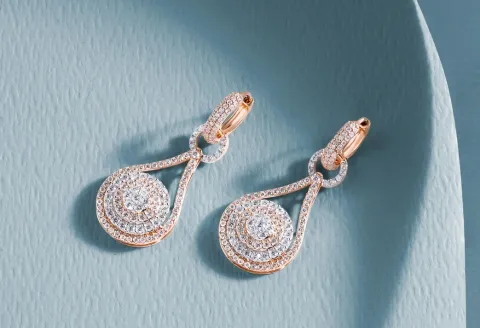
Fundamentals of Diamond Cut Quality
The quality of a diamond cut greatly affects its beauty and sparkle. Understanding how cut quality is defined and graded helps buyers make informed choices.
Defining Diamond Cut and Its Importance
Diamond cut refers to how well a diamond has been shaped and finished. It plays a crucial role in how light interacts with the stone. A well-cut diamond can reflect and refract light beautifully, making it appear brighter and more alive.
The cut includes not just the shape but also the angles and proportions. Poor cuts can result in light escaping from the bottom or sides, which dulls its brilliance. Cut quality affects the overall appeal of earrings, as it directly influences the diamond's appearance.
Understanding the Cut Scale: From Ideal to Poor
The cut quality is graded on a scale that ranges from "Ideal" to "Poor." Each grade signifies how well a diamond has been cut.
- Ideal: Maximizes brilliance and sparkle.
- Excellent: Nearly perfect cut with stunning light performance.
- Very Good: Minor imperfections, still offers good brilliance.
- Good: Acceptable sparkle, but noticeable light leakage.
- Fair: Loss of brightness, less desirable appearance.
- Poor: Significant cut issues, overall dullness.
These categories help buyers understand what to expect in terms of beauty and value. A higher cut grade often means a higher price but can be worth the investment for a more impressive look.
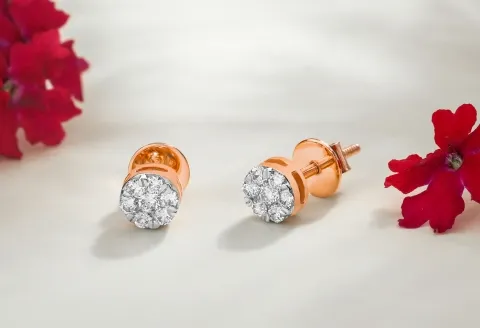
Assessing Cut Grades for Earrings
Cut grades are important for evaluating the quality of diamond earrings. A diamond's cut affects its appearance, brilliance, and overall appeal. Each type of earring can have specific requirements for cut grades, making it essential to understand these variations.
Differences in Cut Requirements for Earrings
Earrings often highlight diamonds, making cut quality crucial. For pairs, symmetry plays a key role. A well-matched cut enhances the overall look.
Common cut grades for earrings range from Excellent to Poor. Excellent cut diamonds reflect most light, while Poor cuts do not reflect sufficient light.
It is also important to consider the setting style, as certain designs favor specific shapes. For example, solitaire settings emphasize the diamond's cut, while cluster settings can conceal minor flaws.
Impact on Brilliance and Fire in Earring Diamonds
Brilliance and fire are direct results of a diamond's cut. Brilliance refers to the light reflected from the diamond, while fire is the burst of color it displays. High-quality cuts significantly enhance both features.
A diamond with an Ideal cut maximizes light performance, creating a stunning sparkle. In contrast, a Fair cut may appear dull and less attractive.
Choosing the right cut grade ensures the diamond shines brightly, attracting attention to the earrings. Buyers should prioritize cut quality to achieve the best visual impact.
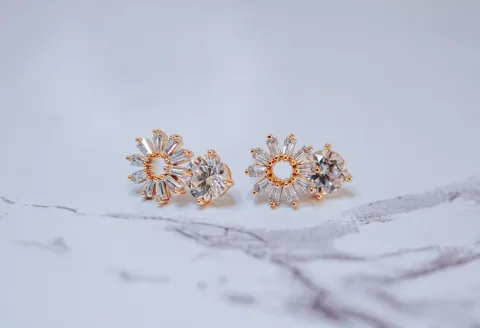
Choosing the Right Cut Grade for Your Earrings
Selecting the right cut grade for earrings is essential. The cut affects not only the beauty but also the overall quality of the diamond. It is crucial to consider cut grade alongside other diamond features.
Balancing Cut Grade with Other Diamond Characteristics
When choosing a cut grade, it is important to look at clarity, color, and carat weight. A higher cut grade can enhance the diamond's sparkle, but it should not come at the expense of clarity or color quality.
For example:
- Clarity assesses how many blemishes or inclusions are present.
- Color measures the absence of color, with clearer diamonds usually being more desirable.
- Carat weight impacts size and value.
An ideal combination would be a good cut grade with high clarity and color. This balance creates beautiful earrings without compromising quality.
Earrings Cut Grade and Its Effect on Value
The cut grade directly influences a diamond's value. Diamonds with superior cut grades tend to be more expensive because they reflect light better. A diamond cut as "Excellent" or "Ideal" can significantly enhance its value compared to a lower grade like "Fair" or "Good."
Factors that influence the value include:
- Brilliance: Higher cut grades produce more light return.
- Fire: Quality cuts create colorful flashes of light.
- Scintillation: Good cuts offer more sparkling effects.
Investors often prefer earrings with higher cut grades as they are seen as a better long-term investment. Buyers should consider this aspect carefully when selecting the right earrings.
Frequently Asked Questions
This section addresses common questions about diamond cut grades for earrings. It covers grading factors, diamond grading systems, and the impact of different cuts on appearance.
What factors determine the grading of diamond cuts for earrings?
Several key factors influence diamond cut grades. These include the diamond's proportions, symmetry, and polish. These elements affect how light interacts with the diamond.
How do the GIA and IGI diamond cut grading systems compare?
The GIA (Gemological Institute of America) and IGI (International Gemological Institute) both provide grading systems. GIA is known for strict standards and is widely recognized. IGI also grades diamonds but may have some variations in criteria.
What is the difference between an excellent and an ideal diamond cut grade?
An excellent cut is close to ideal in terms of proportions and light performance. Ideal cuts maximize brilliance and fire. The difference often lies in precision, with ideal cuts being more finely tuned.
Which diamond cut is considered to offer the most brilliance in earrings?
The round brilliant cut is known for offering the most brilliance. Its shape and facet arrangement allow for optimal light return. Other cuts like princess and oval can also be brilliant, but round is often top-rated.
How does diamond cut affect the overall appearance of stud earrings?
The cut of a diamond significantly impacts its sparkle and visual appeal. A well-cut diamond reflects light better, making it appear brighter. This is especially important in stud earrings, where the diamond is front and center.
What should be considered when choosing a diamond cut for earrings to maximize aesthetic appeal?
When selecting a diamond cut, consider the shape, size, and personal style. Different cuts complement various face shapes and personal preferences. It's also important to balance cut quality with other factors like color and clarity.