
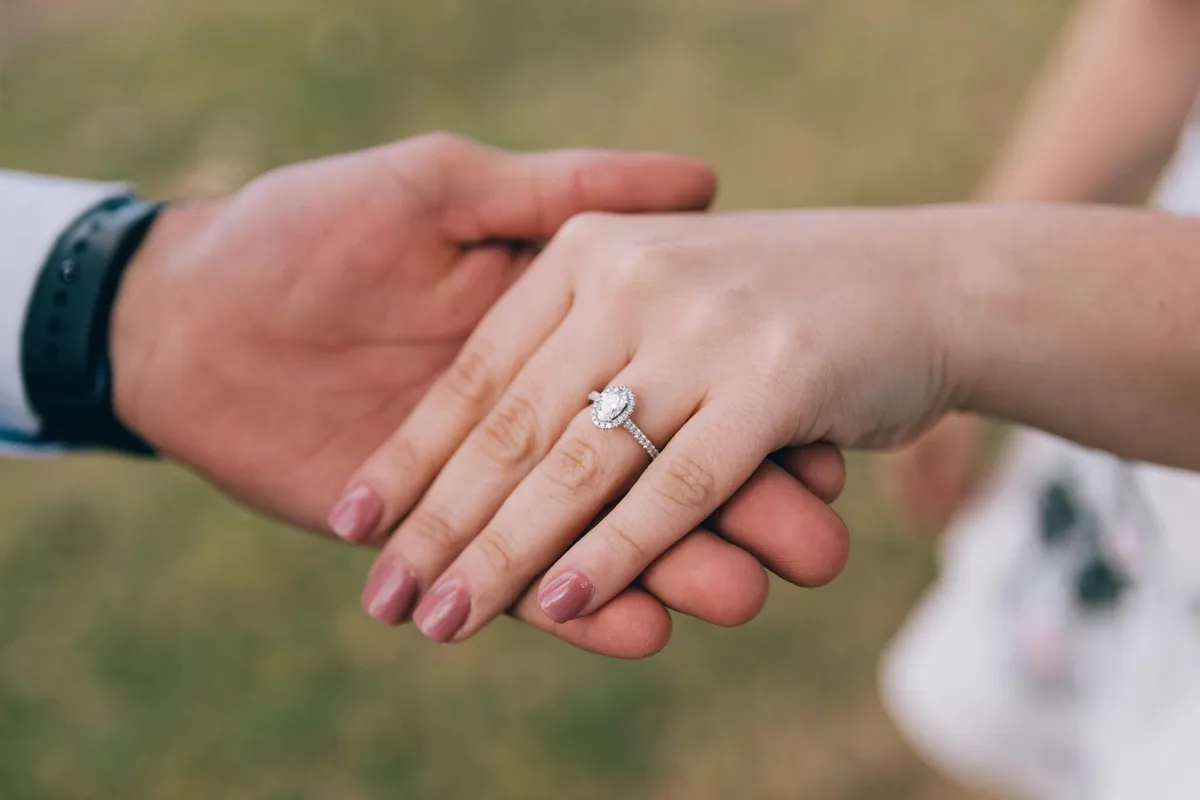
The choice of an engagement ring has come a long way from traditional diamonds. Many couples are looking for unique options that reflect their personal style and values. Stunning alternative stones offer a beautiful and meaningful way to symbolize love and commitment.
Alternative stones can be more affordable, environmentally friendly, and available in a range of colors and styles. They allow couples to express their individuality while still choosing something special. Engaging with these options can lead to discovering beautiful gems that tell a unique story.
As modern relationships evolve, so does the concept of engagement rings. Exploring alternative stones makes it possible to find something that truly matches personal taste and symbolizes their bond.
Key Takeaways
- Alternative stones are unique and offer personal expression.
- Many options are budget-friendly and ethically sourced.
- Customization enhances the meaning behind each ring.
Evolution of Engagement Rings
Engagement rings have a rich history that reflects changing values and traditions. Over time, the materials and styles used in these rings have transformed significantly.
Historical Significance
Engagement rings date back to ancient times. The Egyptians exchanged rings made of braided reeds and leather as symbols of love and commitment. They believed the circle represents eternity.
In the Roman era, rings adorned with stones became popular. The Romans often used iron for durability. They saw these rings as a public declaration of the couple's union.
By the Middle Ages, the use of gemstones started to rise. Diamonds became popular in the 15th century. The famous Archduke Maximilian of Austria gave a diamond ring to Mary of Burgundy, sparking a trend among the European elite.
From Traditional Diamonds to Modern Alternatives
For many years, diamonds were the standard for engagement rings. Their rarity and sparkle made them highly desirable. The De Beers campaign in the mid-20th century reinforced the idea that "a diamond is forever."
In recent years, couples have begun to seek alternatives. Different gemstones, like sapphires and moissanite, offer unique beauty and often come at a lower price.
Lab-created stones have also gained popularity. They provide a conflict-free option and are nearly identical to natural diamonds. More people now prioritize personal meaning over tradition, leading to a diverse range of choices in engagement rings.
Benefits of Choosing Alternative Stones
Choosing alternative stones for engagement rings can offer several valuable advantages. These benefits include cost savings, unique styles, and ethical sourcing. Here are the key aspects to consider.
Cost-Effectiveness
Alternative stones can be much more affordable than traditional diamonds. Popular choices like moissanite, sapphires, and lab-created gems typically cost significantly less.
- Savings on Price: On average, moissanite costs 10-15% of a comparable diamond’s price.
- More Options: Couples can buy larger stones or more intricate settings within the same budget.
This cost-effective factor allows couples to invest in other meaningful experiences, like a memorable honeymoon or a new home, while still getting a stunning ring.
Unique Aesthetic Appeal
Alternative stones come in various colors and styles that aren’t available with diamonds. Sapphires, for example, can be found in shades of blue, pink, and yellow.
- Personal Expression: Gemstones allow for more personal choices aligned with individual tastes.
- Custom Designs: It’s easier to create unique designs with alternative stones since they can complement various styles.
These stones can set a ring apart, providing a distinctive look that reflects the couple's unique love story.
Ethical and Sustainable Options
Many alternative stones are sourced more ethically than traditional diamonds. For instance, lab-grown diamonds and gemstones often have clearer supply chains.
Less Environmental Impact: Lab-created options require fewer resources to produce and minimize environmental disruption.
Conflict-Free Choices: Consumers can feel confident that their stones are free from the issues surrounding blood diamonds.
Choosing alternative stones allows couples to feel better about their impact on people and the planet while celebrating their love.
Popular Alternative Stones
Alternative stones are becoming a favorite choice for engagement rings. They offer unique beauty and can be more affordable than traditional diamonds. Here are some popular options.
Moissanite
Moissanite is known for its incredible sparkle, often compared to diamonds. It has a hardness rating of 9.25 on the Mohs scale, making it quite durable. This stone is created in labs, which means it is an ethical choice for consumers.
Moissanite comes in a range of shapes and sizes. Some people prefer its colorless versions, while others enjoy the subtle hints of yellow or green in certain stones. Its brilliance and fire can often surpass that of diamonds, which makes it a great choice for an engagement ring.
Sapphire
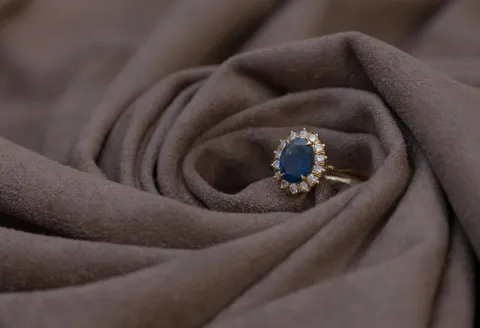
Sapphires are classic and widely loved as an alternative to diamonds. They are available in various colors, with blue being the most popular. Sapphires have a hardness of 9, which means they are very hard and ideal for daily wear.
Beyond blue, sapphires can range from pink to yellow and even green. Their rich colors make them perfect for those seeking something different. Sapphires also have a long history of being used in royal jewelry, adding a touch of elegance and tradition.
Morganite
Morganite is a peachy-pink stone that has gained popularity in recent years. It stands out for its soft and romantic color. With a hardness of 7.5 to 8, it is suitable for everyday wear but requires some care to avoid scratches.
This stone is often set in rose gold, which enhances its warm tones. Morganite is a great choice for those who appreciate a gentle and feminine look. Its unique color can symbolize love and compassion, making it a special option for engagement rings.
Aquamarine
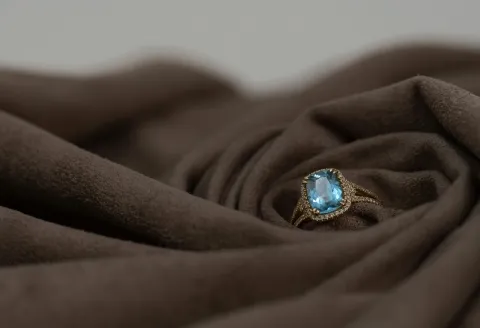
Aquamarine is another stunning choice for engagement rings. Known for its beautiful blue color, it resembles the ocean. It has a hardness of 7.5 to 8, which provides decent durability for rings.
Aquamarine is often lighter and more subdued than other blue stones, giving it a serene appearance. This stone is associated with calmness and tranquility, making it a meaningful option for couples. Its unique hue offers a fresh alternative to conventional choices.
Considerations for Selection
Choosing the right alternative stone for an engagement ring involves several important factors. Understanding the features of the stone can help in making an informed decision that suits personal style and lifestyle.
Durability and Hardness
The durability of a stone is crucial for everyday wear. Hardness indicates how well a gem can resist scratches and damage. The Mohs scale measures hardness, with diamonds rated at 10, the highest.
Alternative stones can vary significantly in hardness. For instance:
- Sapphires: 9 on the Mohs scale
- Emeralds: 7.5 to 8
- Moissanite: 9.25
Sapphires and moissanites are excellent for rings due to their durability. Less hard stones, like opals, may not be suitable for everyday use. Always consider lifestyle factors, such as occupation and hobbies, to select a stone that will withstand daily activities.
Color and Clarity
Color and clarity are essential attributes of a stone. Each alternative stone presents unique colors. For example, sapphires come in various shades, including blue, pink, and yellow.
Clarity involves how many inclusions, or flaws, are present inside the stone. High clarity stones appear more brilliant and sparkling. When choosing a stone, consider the following:
- Transparency: Clear stones tend to have higher value.
- Color Saturation: Richer colors may be more desirable.
Choosing a vibrant color can personalize an engagement ring and showcase individual style. It is important to view stones under different lighting to assess their true color and clarity.
Cut and Shape
The cut of a stone affects how light interacts with it, which impacts its brilliance. Popular cuts include round, princess, and oval. Each cut can enhance the unique qualities of the stone.
Shape is also a personal choice. Some common shapes are:
- Round: Classic and timeless
- Pear: Romantic and elegant
- Emerald: Stylish and sophisticated
It's essential to consider how a particular cut might affect the appearance of the stone. A well-cut stone enhances its beauty and attractiveness. Also, consider how the cut fits the wearer's personal style.
Setting Styles
The setting style can dramatically change the appearance of the stone. Different settings secure the stone and influence its overall look. Popular styles include:
- Prong Setting: Highlights the stone while allowing maximum light
- Bezel Setting: Offers durability and a modern look
- Halo Setting: Adds extra sparkle with surrounding smaller stones
Choosing a setting can also reflect personal style preferences. A classic setting might suit traditional tastes, while a more contemporary design may fit modern aesthetics. Consider how the setting complements the chosen stone for a cohesive look.
Customization and Personalization
Choosing an engagement ring is an important decision. Customization allows couples to create a piece that reflects their unique style and story. Personal touches make rings more meaningful.
Designing a Unique Ring
Many jewelers offer services to design unique rings. This process lets individuals select stone shapes, settings, and metals. Some popular choices include settings like halo, solitaire, or vintage styles.
Couples can also choose unusual stones, like sapphires, morganites, or lab-grown diamonds. Each option brings a different color and clarity. The design can even incorporate personal elements, such as motifs or themes that resonate with the couple's love story.
Engravings and Embellishments
Engravings add a personal touch to any ring. Customers can engrave initials, important dates, or special messages on the band.
They can also opt for embellishments like filigree or decorative patterns. These details can enhance the ring while keeping its design special. Couples might choose inside engravings that only they can see, making the ring intimate.
Adding colored gems or accent stones can also create a distinct look. This way, the engagement ring reflects not just the relationship, but also individual personalities.
Care and Maintenance for Alternative Stones
Caring for alternative stones in engagement rings requires attention and regular maintenance. Proper cleaning, inspections, and protection against damage will help keep these unique gems looking their best.
Regular Cleaning
Alternative stones need regular cleaning to maintain their sparkle. It is recommended to clean the ring at least once a month. A gentle solution of warm water and mild soap works well.
Use a soft cloth or a soft-bristled brush to clean around the stone. Rinse with warm water and dry the ring carefully with a lint-free cloth. Avoid harsh chemicals, as they can damage the stone and its setting.
For porous stones like opals or turquoise, extra care is needed. These stones can absorb moisture and oils, so it’s crucial to keep them away from water for extended periods.
Professional Inspections
Taking the ring to a professional jeweler for inspections is essential. They can check for any loose stones or signs of wear. Inspections should occur every six months, especially for rings with intricate settings.
A jeweler can also provide deeper cleaning options that may not be possible at home. They may use ultrasonic cleaners or steam cleaners that are safe for alternative stones.
During an inspection, the jeweler can assess the stone for any scratches or chips. Addressing these issues early can prevent further damage down the line.
Avoiding Damage and Scratches
Preventing damage to alternative stones is critical. Storing the ring in a soft pouch or a separate compartment in a jewelry box helps avoid scratches from other pieces.
It’s also wise to remove the ring during activities like cleaning, exercising, or swimming. Each of these activities can expose the ring to harsh conditions or accidental knocks.
Consider placing the ring on a flat surface rather than in a pocket or bag. This reduces the risk of losing or scratching the stone. By following these care tips, the beauty of alternative stones can be preserved for years to come.
Where to Purchase
Finding the right place to buy alternative stones for modern engagement rings is essential. Buyers can explore specialized jewelers, trusted online marketplaces, and custom jewelry designers to find unique options.
Specialized Jewelers
Specialized jewelers focus on alternative stones and can offer knowledgeable service. Many of these jewelers have a curated selection of gemstones like moissanite, lab-created diamonds, and ethically sourced stones. They often provide expert advice on the qualities and care needed for these stones.
Buying from specialized jewelers can also allow customers to view stones in person. This helps in appreciating the color, cut, and clarity. Many jewelers offer customization options, allowing clients to design a ring that reflects personal style. Look for reputable jewelers with good reviews and a solid return policy for reassurance.
Online Marketplaces
Online marketplaces provide access to a wide range of alternative stones. Websites such as Etsy, Etsy's Marketplace, and Amazon have numerous sellers offering unique engagement rings. It is important to review product descriptions and seller ratings carefully.
When purchasing online, customers should always check for certifications. Look for details about the stone's origin and quality. Many online sellers also offer customization, making it easy to create a personalized ring. Optionally, subscribing to newsletters from favorite sellers can lead to discounts or special offers.
Custom Jewelry Designers
Custom jewelry designers bring a unique touch to engagement rings. They can create one-of-a-kind pieces using alternative stones tailored specifically to individual preferences. Working with a designer allows for greater creativity in choosing not just the stone, but also the metal and style of the ring.
Research local or online custom jewelry designers by checking portfolios and client reviews. Good communication is key to ensure the designer understands the desired vision. Many designers might offer a consult process to discuss ideas and materials. This option can lead to a special ring that truly stands out.
Future Trends in Engagement Rings
New trends in engagement rings show a shift toward unique styles and materials. These changes reflect personal values and cultural influences. As couples seek individuality, they look for alternatives beyond traditional diamond rings.
Innovative Materials
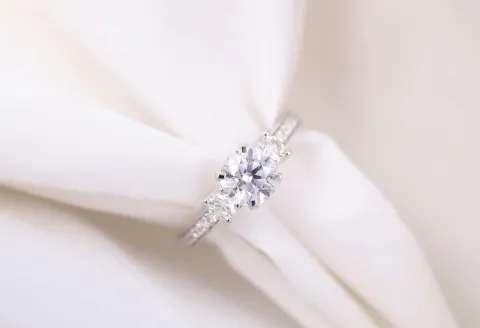
Alternative stones are becoming popular in engagement rings. Moissanite, lab-created diamonds, and colored gemstones add freshness to designs.
- Moissanite: This stone has fire and brilliance similar to diamonds but is often more affordable.
- Lab-Created Diamonds: They have the same chemical structure as natural diamonds and are eco-friendly.
- Colored Gemstones: Choices like sapphires, emeralds, and rubies offer vibrant colors and unique looks.
These materials allow couples to express their personalities through their ring choice. Designers are now creating stunning settings that highlight these stones, moving away from traditional styles.
Cultural Influences
Cultural elements play a significant role in shaping engagement ring trends. Many couples are embracing traditions that reflect their heritage.
For instance:
- Indian Traditions: Gold rings with intricate designs are still popular, symbolizing wealth and status.
- Japanese Influence: Minimalist designs with simplicity and elegance are being favored.
- Celtic Symbols: Knot patterns that signify unity and eternity attract attention.
These cultural aspects inspire unique ring designs that resonate with personal stories. As people celebrate their identities, rings are becoming powerful symbols of love and commitment.
Conclusion
Alternative stones offer unique choices for modern engagement rings. Many people choose these stones for their beauty, rarity, and personal meaning.
Benefits of Alternative Stones:
- Cost-Effective: Many options can be more affordable than diamonds.
- Unique Styles: Alternative stones come in various colors and styles, allowing for personalization.
- Ethical Choices: Some people prefer stones from responsible sources.
Popular Alternatives:
- Moissanite: A durable and brilliant choice.
- Sapphire: Known for its deep blue and other colors.
- Morganite: A delicate pink with a romantic feel.
Choosing an alternative stone can reflect personal taste and values. This option allows couples to find a ring that truly represents their relationship.
Frequently Asked Questions
Many people have questions when exploring alternative stones for engagement rings. This section covers topics like the best diamond alternatives, cost-effective gemstones, and ethical options available today.
What are the best diamond alternatives for engagement rings?
The best diamond alternatives include moissanite, lab-created diamonds, and various gemstones like sapphires and rubies. Each of these options offers unique beauty and durability.
Which gemstone offers a similar appearance to diamonds at a lower cost?
Moissanite is a popular choice for those seeking a similar look to diamonds without the high price. Other options include white sapphires and some lab-grown stones, which can mimic a diamond's sparkle.
How do moissanite rings compare to diamond rings?
Moissanite rings are highly durable and have a higher refractive index than diamonds. This means they can appear more brilliant while being significantly less expensive.
What advantages do non-diamond stones, like tanzanite, offer for engagement rings?
Non-diamond stones like tanzanite offer stunning colors and uniqueness. They stand out compared to traditional diamonds, allowing for more personal expression in engagement rings.
Can gemstones other than diamonds symbolize commitment in an engagement ring?
Yes, many gemstones hold symbolic meanings. For example, sapphires are often associated with loyalty, while emeralds represent love and rebirth, making them meaningful options for commitment.
Are there sustainable and ethical options for non-diamond engagement rings?
There are several sustainable options available, such as lab-created gems and recycled metals. These choices help reduce environmental impact and promote ethical practices in jewelry production.