
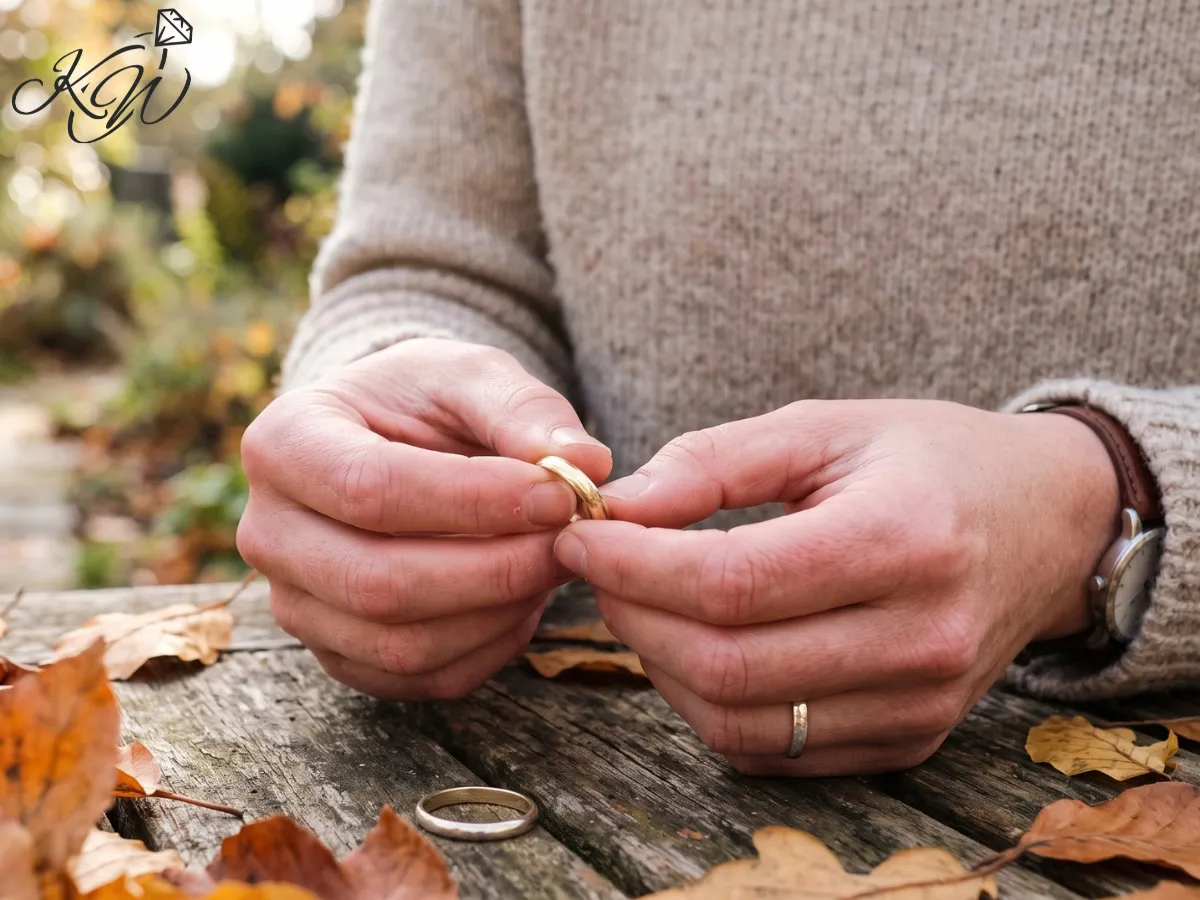
Have you ever pulled on your favorite band on a hot July afternoon and found it would not budge? Or maybe you walked outside on a chilly January morning and felt your ring sliding around your knuckle. These shifts are completely normal. Your body reacts to changes in weather, moisture, and daily habits every single day. Achieving lasting fit & comfort means understanding why your fingers swell or shrink as the seasons change, helping you keep your precious jewelry safe without rushing into permanent alterations.
Key Takeaways
- Fingers expand in warm, humid weather and contract in cold, dry weather.
- A half-size fluctuation between summer and winter is very common.
- Avoid permanent resizing based on short-term seasonal weather swings.
- Use temporary adjustments like silicone coils or ring guards during seasonal peaks.
- Wide bands fit tighter than thin bands, even in identical finger sizes.
Why Ring Fit Changes Across the Seasons
Your fingers do not stay the exact same size year-round. Your circulatory system works hard to regulate your internal body temperature, and your hands are on the front lines of that process.
When you step outside, your body responds immediately:
- Warm conditions trigger vasodilation: Blood vessels expand to release excess body heat through your skin. This extra blood flow causes your soft tissues and fingers to puff up.
- Cold conditions trigger vasoconstriction: Blood vessels narrow to keep heat concentrated around your center and internal organs. Less blood flows to your extremities, making your fingers slimmer.
- Humidity plays a direct role: High humidity slows down sweat evaporation, leaving your skin slightly damp and fingers swollen. Dry air draws moisture away, reducing tissue volume.
These natural reactions happen to everyone. Understanding this cycle helps you avoid worrying that your ring was made incorrectly or that your body is changing permanently.
Summer Heat: Why Your Rings Feel Too Tight
Summer brings sunshine, outdoor fun, and swollen fingers. If you try to remove your ring after an afternoon picnic or a brisk walk, you might find it uncomfortably stuck.
Normal Knuckle Clearance + Heat Expansion = Restricted Ring Movement
Common Summer Swelling Factors
Beyond direct outdoor heat, several summer factors can make your jewelry feel uncomfortably snug:
- Outdoor physical activity: Hiking, gardening, and yard work increase your heart rate and push more fluid into your extremities.
- Dietary sodium: Summer cookouts often feature salty snacks, processed meats, and chips that cause water retention.
- Dehydration: When you do not drink enough water, your body holds on to fluids, leading to puffier fingers.
- Air travel: Flights for summer vacations expose you to cabin pressure shifts that frequently cause hand swelling.
How to Safely Remove a Tight Summer Ring
If a ring feels stuck, do not panic and do not yank it aggressively over your knuckle. Pulling hard causes swelling and skin irritation, which makes the problem worse. Follow these safe steps instead:
- Cool your hands: Run your hands under cool (not ice-cold) water for two to three minutes.
- Raise your arm: Hold your hand above your shoulder for five minutes to let excess fluid drain away from your fingers.
- Use a gentle lubricant: Apply mild liquid hand soap, baby oil, or lotion around the knuckle.
- Twist, do not pull: Gently twist the ring back and forth while applying light outward pressure.
Winter Chill: Why Rings Slip and Slide
While summer makes rings feel tight, winter brings the opposite risk: losing your ring completely. Cold air makes fingers shrink, turning a normally snug ring into a loose band that can easily fall off without you noticing.
Risky Winter Scenarios
Cold-weather ring loss happens fast. You should be especially mindful during these situations:
- Taking off winter gloves: Knitted or leather gloves catch on ring prongs. When you pull the glove off your hand, the ring can slide off inside the finger of the glove or drop onto the ground.
- Shoveling snow: Raking or shoveling involves repetitive hand movements in freezing temperatures, a prime recipe for rings slipping into snowdrifts.
- Reaching into pockets: Sliding hands in and out of tight coat pockets can drag a loose ring off your finger.
- Dry skin lotion routines: Applying thick winter hand creams makes your fingers slick, allowing loose bands to slide off effortlessly.
Pro Tip: Keep an eye on your rings when washing your hands in cold restrooms during winter. Soapy lather paired with cold-shrunk fingers is the number one cause of jewelry sliding down the drain.
Seasonal Hand Shifts: A Quick Comparison
To help you understand how environmental shifts influence your hands, review this comparison of seasonal characteristics and safety steps.
|
Seasonal Factor |
Summer Conditions |
Winter Conditions |
|
Finger Volume |
Expands (half-size larger) |
Shrinks (quarter to half-size smaller) |
|
Primary Danger |
Pinching, discomfort, ring getting stuck |
Ring slipping off, unnoticed loss |
|
Primary Physical Cause |
Vasodilation, heat, fluid retention |
Vasoconstriction, cold air, dry skin |
|
Skin Moisture Level |
High humidity, sweat |
Low humidity, dry and chapped |
|
Best Immediate Action |
Cool water soak and elevating hands |
Add temporary ring guards or silicone spirals |
|
Resizing Recommendation |
Do not resize up; wait for mild weather |
Do not resize down; use temporary aids |
Daily Habits That Impact Finger Size
Seasonal weather changes are not the only elements that alter your ring size. Daily routines can work together with outdoor temperatures to create noticeable size differences.
Time of Day
Your hands are naturally thinner when you first wake up, provided you did not eat a salty meal the night before. As you move throughout the day, typing, lifting, and walking increase blood flow, causing fingers to peak in size by late afternoon.
Hydration and Nutrition
Your food choices directly affect your hands:
- Water intake: Drinking plenty of fresh water flushes out excess sodium and balances fluid levels.
- Alcohol intake: Alcoholic beverages cause dehydration, which leads to fluid retention and puffiness hours later.
- Caffeine: Coffee and energy drinks act as mild diuretics, which may temporarily reduce fluid retention.
Exercise and Movement
Cardio workouts, weight lifting, and even prolonged walking push blood to your hands. Many runners find their rings feel tight within twenty minutes of starting a workout. This is temporary; your hands will return to normal within an hour of resting.
Band Width and Style: How Design Affects Wear
The physical shape of your jewelry determines how intensely you feel seasonal changes. Two rings of the exact same numerical size can feel completely different on your finger depending on their build.
Wide Band (6mm+) = Covers more skin = Feels tighter in summer
Thin Band (1.5mm) = Covers less skin = Moves easier year-round
Ring Construction Factors
- Band width: Wide bands cover more skin surface and trap heat underneath. A wide cigar band fits tighter than a slim solitaire band. Jewelers usually recommend ordering wide bands a quarter- to half-size larger than your standard size.
- Comfort-fit versus standard interior: Comfort-fit rings feature a slightly rounded inside surface. They slide over knuckles more easily and cause less friction during summer swelling. Standard flat-interior rings grip the finger tightly across the entire width.
- Stackable rings: Wearing three or four thin rings together creates the same physical effect as wearing one wide band. You may notice your stack feels perfect in winter but tight in summer.
Temporary Fixes vs. Permanent Resizing
When your ring starts slipping or squeezing, your first thought might be to bring it in for permanent cutting and resizing. However, modifying the metal based on seasonal extremes can lead to regrets six months later.
If you size down during winter, your ring will likely be painful to wear by July. If you size up during summer, it could slide off into a snowbank by December.
Safe Temporary Solutions
Instead of permanent resizing, consider these safe, budget-friendly options to manage seasonal swings:
- Silicone coil adjusters: Small, clear plastic spirals that wrap around the bottom of the band. They are soft, budget-friendly, and easy to add or remove yourself.
- Clip-on ring guards: Small metal or plastic bars that attach to the base of the band to reduce inner diameter.
- Sizing beads: Two small, smooth metal spheres added to the inner base of the ring by a jeweler. They hold the ring upright, stop spin, and keep it secure without reducing the size of the entire band.
- Spring inserts (horseshoe sizers): A flexible metal spring placed inside the lower half of the band that expands as you slide it over your knuckle and gently contracts against your finger.
When to Visit Ken Walker Jewelers for Help
If your ring causes persistent pain, leaves deep indentations that do not fade, or spins constantly year-round, you may need professional help.
At Ken Walker Jewelers, our family-owned shop has served our community for over 52 years. We believe in honest, caring advice, just like a supportive friend. We never push unnecessary services. Instead, we want to help you find the sweet spot for your jewelry so you can enjoy your treasured pieces comfortably every day.
What to Expect During a Professional Sizing Check
When you visit us to check your ring, our experienced team will:
- Measure your finger across different times: We check your knuckle size versus your base finger size.
- Examine your ring width: We calculate how the band profile influences its fit on your hand.
- Review your seasonal history: We ask how your jewelry felt six months ago to understand your body's personal rhythm.
- Recommend the least invasive option: We present affordable solutions, from sizing beads to simple ring guards, before suggesting permanent alterations.
Conclusion
Seasonal changes are a natural part of life, and your hands respond to those shifts just like the rest of your body. A ring that fits snugly in August may spin in January, and a ring that slides smoothly in winter may grip tightly during a humid heatwave. By learning how temperature, humidity, and daily habits change your hand size, you can protect your jewelry from loss or discomfort. Give your body grace across the seasons, rely on gentle temporary aids when needed, and consult a trusted family jeweler before making permanent changes to your beloved rings.
Frequently Asked Questions
How much can finger size change between seasons?
Most people experience a change of about one-half ring size between the peak heat of summer and the deep cold of winter. In humid climates, that shift can reach up to a full ring size depending on individual circulation and hydration habits.
Should I resize my ring right away if it feels tight in July?
No, you should wait until mild autumn temperatures arrive before deciding on permanent resizing. If your ring fits comfortably during moderate spring and fall weather, the summer tightness is just a temporary physical reaction to heat and humidity.
What temporary tools help keep a loose winter ring safe?
Clear silicone ring coils and plastic clip-on guards are the best temporary tools. They wrap around the lower shank of your ring, reducing the inner circle size without scratching the metal or requiring heat alterations.
Does diet affect how my rings fit alongside the weather?
Yes, high-sodium foods, alcohol consumption, and dehydration make your body retain excess fluid. When poor hydration combines with hot outdoor conditions, hand swelling becomes much more noticeable.