
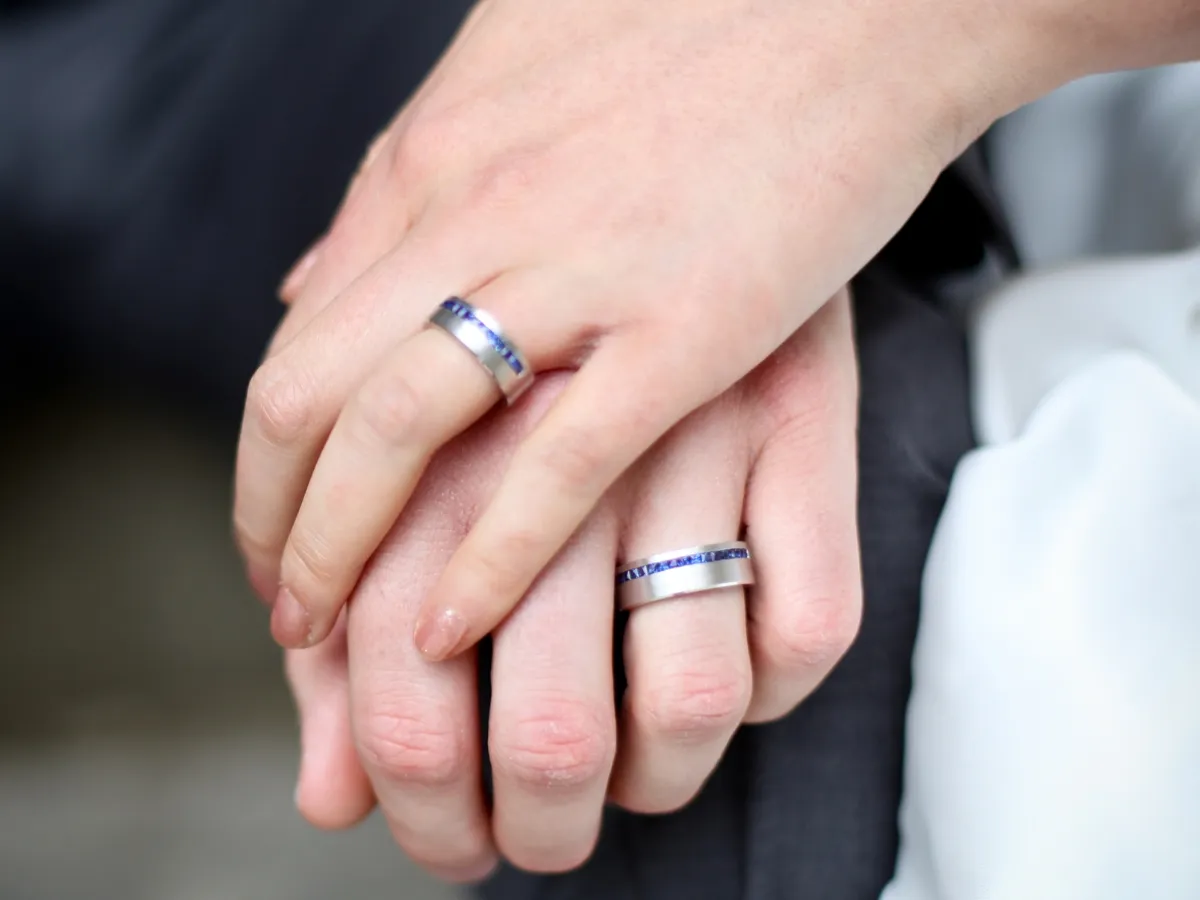
Thinking of wearing a gemstone instead of a diamond? You are not alone. Men’s wedding rings have come a long way from plain gold bands. If you are eyeing a bold, personal look, rubies and sapphires are two gemstones worth considering.
Both offer rich color, history, and toughness—but they are not the same. Let us walk you through the key differences so you can make a confident choice. Whether you are shopping for yourself or someone special, this guide from Ken Walker Jewelers in Gig Harbor, WA has you covered.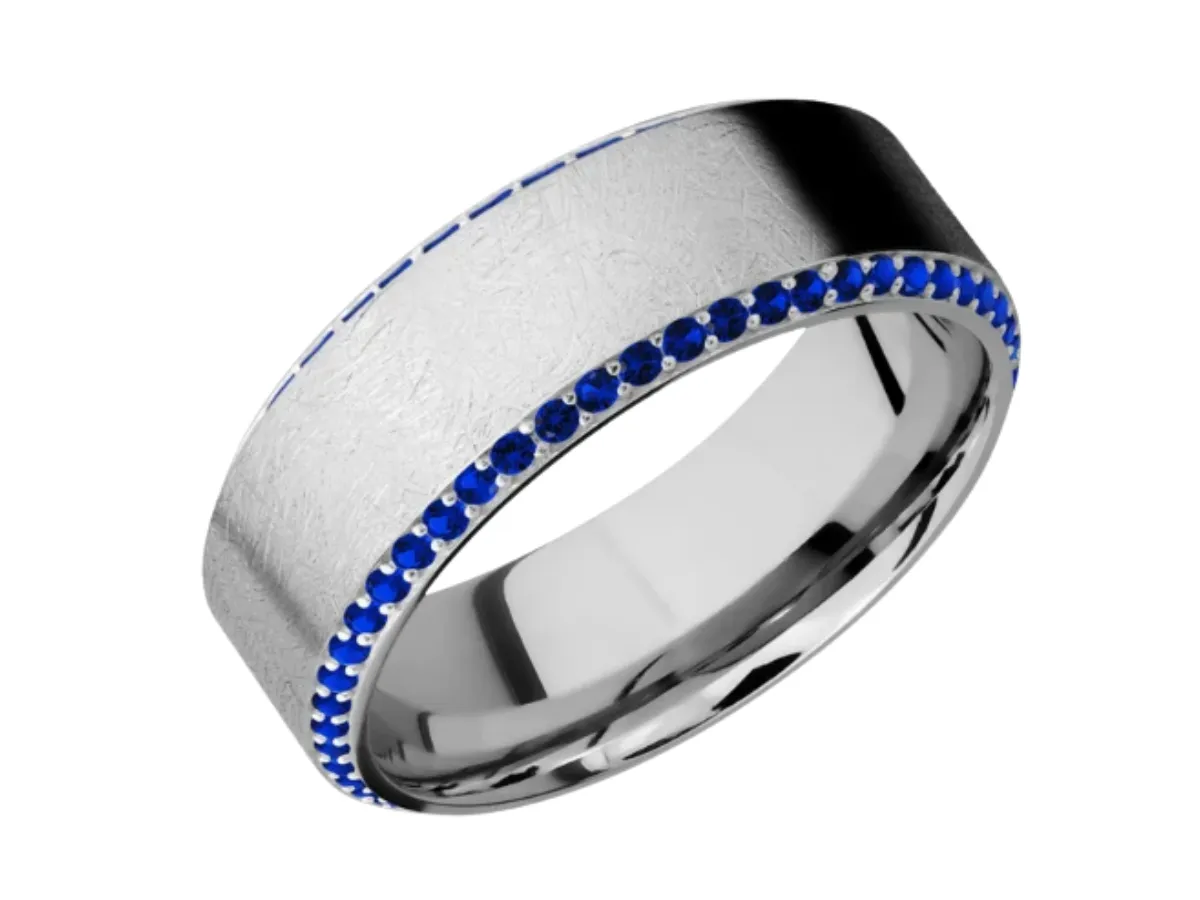
Why Gemstones Matter in Men’s Wedding Rings
Wedding rings are not just about shine. They are symbols. For many men, colored gemstones speak louder than traditional white diamonds. A ruby can signal passion or strength. A sapphire might stand for loyalty or wisdom. Either way, wearing a gemstone tells a story.
And let’s face it—if you are going to wear something every day, it should mean something to you. That is where rubies and sapphires come in.

Understanding the Basics: Ruby and Sapphire
Both rubies and sapphires come from the same mineral family: corundum. That means they share similar hardness and durability—big plus if you use your hands a lot. The difference is in the color.
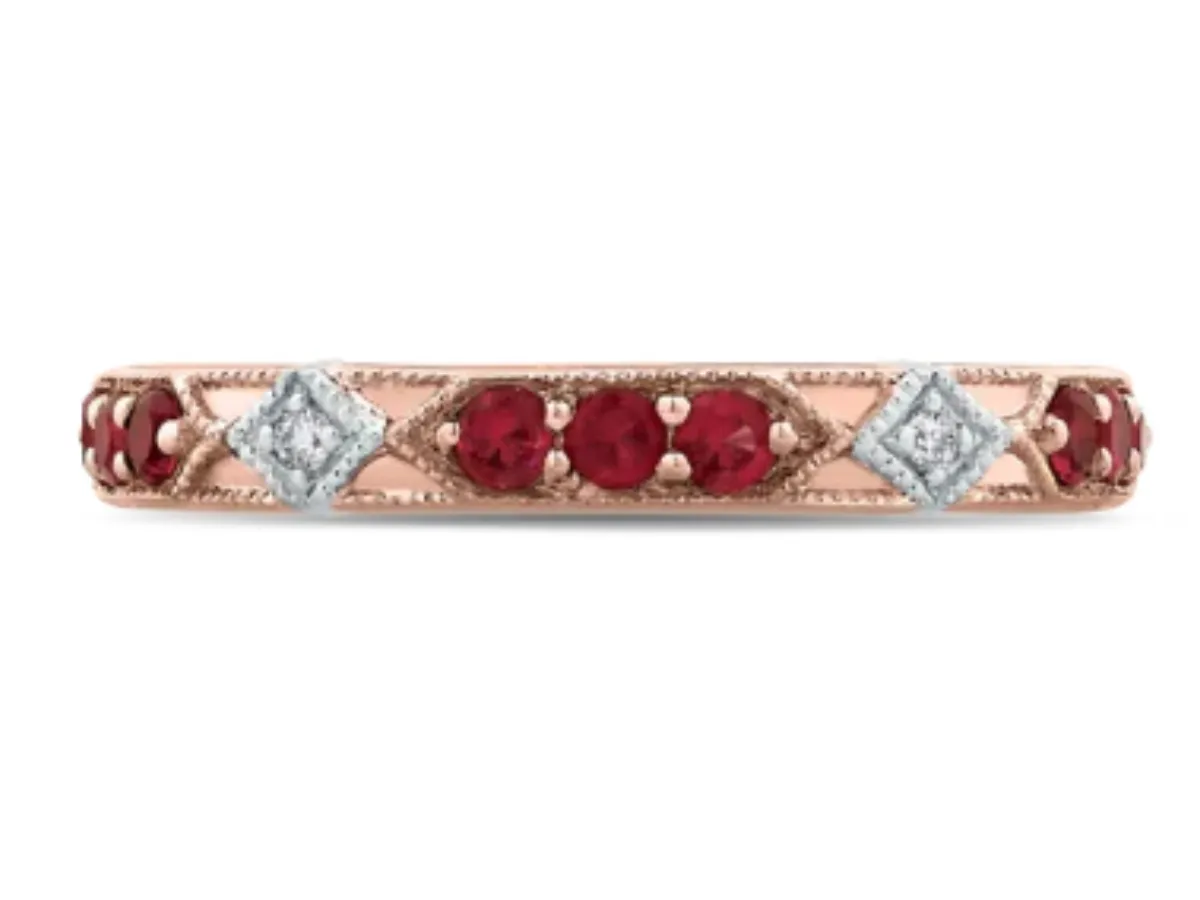
- Ruby is red corundum.
- Sapphire is any other color of corundum, most often blue.
That is it. Just the color separates the two. But that color tells its own story.
Ruby: Fire, Strength, and Romance
Rubies have a bold presence. The deep red tones feel powerful and dramatic. In some cultures, rubies are seen as protectors. In others, they are tied to love and passion.
Pros of Choosing Ruby
- Striking color: Red stands out in any metal—white, yellow, or rose gold.
- Symbolism: Linked with courage, passion, and energy.
- Tough enough: Second only to diamonds in hardness (9 on Mohs scale).
Possible Drawbacks
- Price: High-quality rubies can be costly.
- Color variation: Some rubies look pinkish, others more brown-red.
If you want a ring that feels bold and carries weight—literally and symbolically—ruby may be the choice for you.
Sapphire: Cool, Classic, and Versatile
Most people picture a deep blue when they think of sapphire. But this gemstone comes in a rainbow of shades, including green, yellow, white, and even black.
Pros of Choosing Sapphire
- Color variety: Blue is classic, but you have options.
- Symbolism: Traditionally tied to loyalty, truth, and calm.
- Durability: Also a 9 on the Mohs scale, so it can handle wear.
Possible Drawbacks
- Blue overload: If you are not into blue, finding the right shade can take time.
- Can show scratches: Especially in lighter colors or highly polished styles.
If you lean toward tradition but want something with color and depth, sapphire delivers.
Design Differences in Men’s Wedding Bands
At Ken Walker Jewelers, we see a wide range of gemstone wedding band styles come through our Gig Harbor shop. Some men want a single inlaid ruby or sapphire in a heavy gold band. Others prefer a channel of small stones or even custom engravings alongside the gem.
Popular Settings
- Bezel: Encases the stone for extra security.
- Channel: Keeps gems flush with the surface—less chance of snags.
- Tension: Holds the stone in place with pressure. Modern and clean.
Rubies tend to be chosen as statement center stones. Sapphires often appear as accents or in minimalist settings. That said, your style is your own. No rules here.
Durability in the Real World
Let us get practical for a second. You want a wedding ring that can stand the test of time. Both rubies and sapphires are up to the task.
- Mohs hardness of 9 means they are scratch-resistant.
- They do not chip or shatter easily.
- With normal care, they will look great for decades.
But remember, hardness is not the same as toughness. Drop a ring just right, and any stone can chip. That is why we often recommend protective settings, especially if you work with your hands.
Maintenance and Care
Caring for ruby or sapphire rings is straightforward.
- Clean with warm water, mild soap, and a soft toothbrush.
- Avoid harsh chemicals and ultrasonic cleaners.
- Bring it in once or twice a year for a check-up and professional cleaning.
Ken Walker Jewelers offers free inspections and cleaning on gemstone rings bought in-store. Just another way we help folks in Gig Harbor, WA feel confident about their rings.
Ethical Considerations for Gemstone Shoppers
More and more shoppers are asking, “Where did this stone come from?” That is a good question.
Rubies and sapphires are mined around the world—in places like Sri Lanka, Madagascar, and Thailand. Some stones are lab-grown, offering the same structure as natural ones without the environmental concerns.
At Ken Walker Jewelers, we offer both natural and lab-created gemstones and always disclose sourcing. We believe in honest guidance and options that suit your values and your budget.
What Looks Good with What? A Quick Style Guide
Here is where it gets fun. Pairing gemstones with metals brings out different vibes.
- Ruby + Yellow Gold: Warm and royal.
- Ruby + White Gold: Clean contrast.
- Sapphire + White Gold: Sleek and timeless.
- Sapphire + Rose Gold: Soft and romantic.
- Ruby or Sapphire + Black Titanium: Modern and bold.
Not sure which combo fits your look? Come by our shop in Gig Harbor. We will walk you through it.
Gemstones vs Diamonds: Why Go Colored?
Diamonds are forever, sure. But so are rubies and sapphires—with a little more personality. You might want a wedding ring that reflects more than tradition. Maybe it is about making a statement, or maybe you are just not a diamond guy.
Gemstones give you that room to breathe. And no, you do not have to spend a fortune to get something meaningful.
FAQs: Ruby vs Sapphire for Men’s Rings
1. Are rubies or sapphires better for daily wear?
Both are great. They score a 9 on the Mohs scale, which means they can take some hits. Pick a protective setting for extra peace of mind.
2. Which one is more expensive?
Rubies often cost more, especially if they are a deep red without treatments. But it depends on clarity, cut, and origin.
3. Can I get a lab-grown version?
Yes. Both rubies and sapphires are available in lab-grown options that look and wear just like natural ones.
4. What metal works best with each stone?
That depends on your taste. Rubies pop in yellow or white gold. Sapphires look sharp in almost anything.
5. Is red too flashy for a wedding band?
Not at all. A ruby can be bold without being loud. It all comes down to the design.