
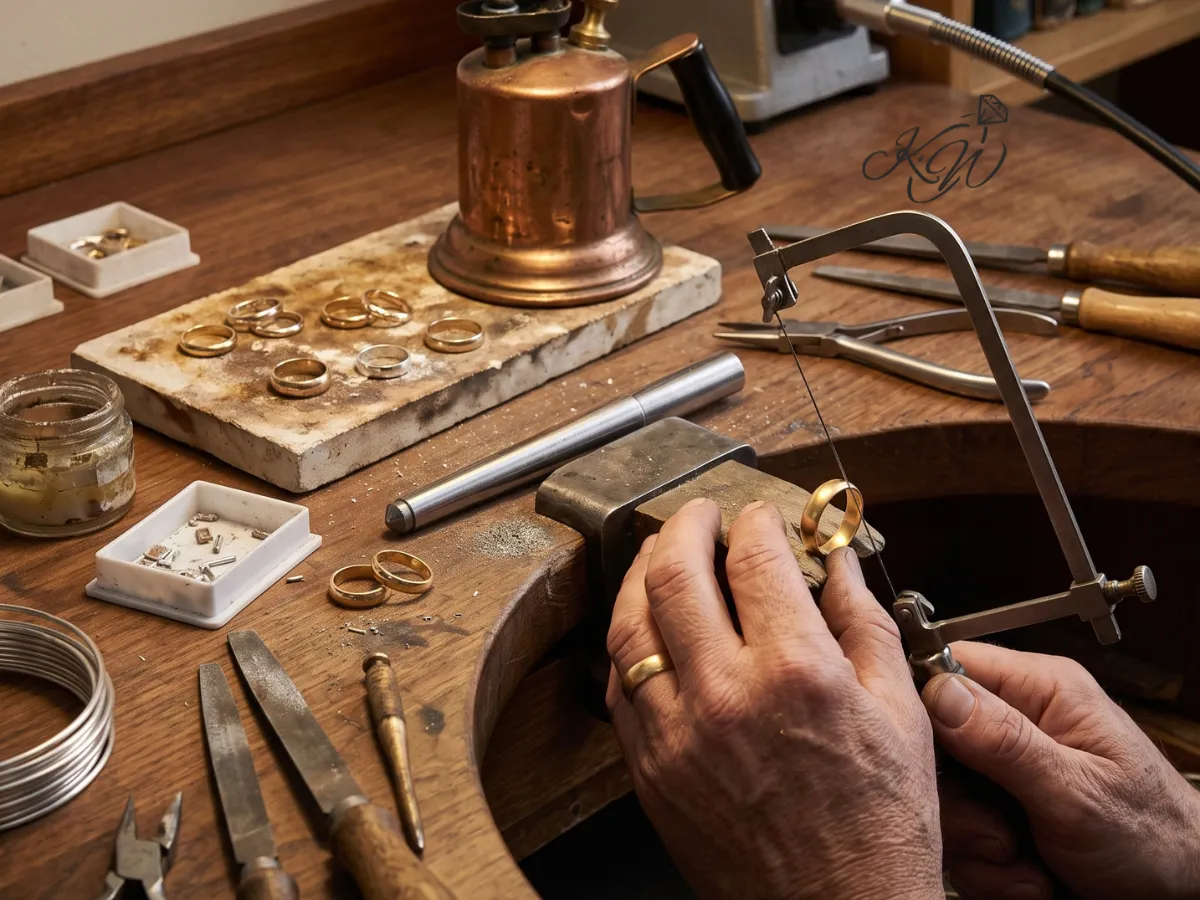
Few things feel as disappointing as sliding a beloved ring onto your finger only to find it slips off or squeezes too tight. Whether you just received an engagement ring, inherited a family heirloom, or noticed your fingers have changed size over the years, ring resizing is a very common jewelry service. However, not every ring can simply be stretched or shrunk at will.
The metal used to make your band plays the biggest role in determining what is possible. At Ken Walker Jewelers, we believe in giving you honest, caring guidance so you know exactly what to expect before any work begins on your treasured piece.
Key Takeaways
- Gold and Platinum: The most flexible metals for size changes, usually allowing adjustments up or down by two sizes.
- Rose Gold: Can be resized, but the high copper content makes it brittle and prone to cracking under heat.
- Silver: Very easy to size, though heat travels fast through the band during work.
- Titanium and Tungsten: Extremely difficult or completely impossible to resize with traditional bench tools.
- Alternative Solutions: Sizing beads, ring guards, and custom redesigns can fix your fit when metal adjustments are not an option.
How Ring Resizing Works
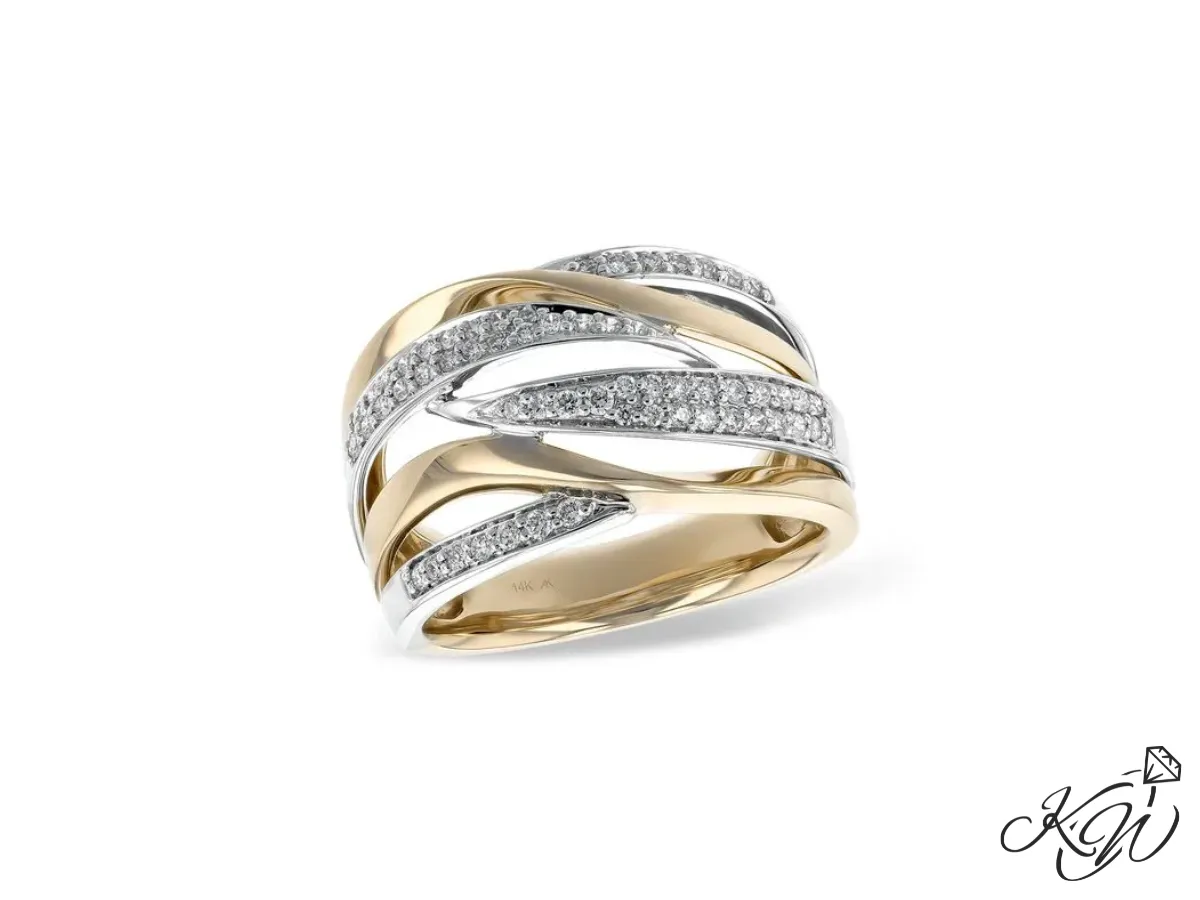
To understand the limitations of different metals, it helps to know how a bench jeweler actually changes the size of a band. A jeweler generally uses one of two methods:
- Making a ring smaller: The jeweler cuts out a tiny piece of the bottom band (the shank). They then bend the two ends together and solder or laser-weld the joint. Finally, they smooth, clean, and polish the metal so the seam disappears.
- Making a ring larger: For very tiny adjustments (like a quarter of a size), the jeweler might stretch the metal on a sizing mandrel. For larger adjustments, the jeweler cuts the bottom of the band, pulls the ends apart to create a gap, inserts a matching piece of new metal, and solders the joints shut.
Both methods require heat, cutting, bending, and soldering. If a metal cannot handle high heat or refuses to bend without snapping, traditional size adjustments become impossible.
Traditional Precious Metals: The Easiest Metals to Resize
Jewelers have worked with precious metals for centuries. These metals are naturally ductile, meaning they can bend and stretch without breaking under proper care.
Yellow Gold and White Gold
Yellow and white gold are the industry standards for fine jewelry, and for good reason:
- Ease of adjustment: Most yellow and white gold rings can easily go up or down by one to two full sizes.
- Karat differences: 14k and 18k gold balance strength and malleability well. 10k gold contains more alloy metals and is slightly harder, which means it requires a bit more care during bending.
- White gold rhodium plating: White gold is naturally warm-toned and gets coated in rhodium for a bright finish. Whenever a white gold ring is sized, the heat burns away this finish. Your jeweler must polish and re-plate the band so the color looks consistent.
Rose Gold
Rose gold gets its lovely pink blush from copper mixed into pure gold. While rose gold looks warm and romantic, it behaves differently on the workbench:
- Brittleness: Copper makes gold harder and more brittle. When bent or stretched, rose gold can crack along stress points.
- Solder seams: Rose gold solder can sometimes leave a faint line where the cut was made because matching the exact alloy color is challenging.
- Size limits: Rose gold can usually be adjusted, but jewelers prefer to keep the changes smaller (often one size up or down) to avoid damaging the band.
Platinum
Platinum is a dense, heavy, and naturally white metal. It is one of the most durable choices for fine jewelry:
- High melting point: Platinum melts at a much higher temperature than gold. Jewelers must use special eyewear and high-heat torches or laser welders to work on it.
- Purity and color: Platinum does not require rhodium plating. A skilled jeweler can adjust a platinum ring seamlessly without leaving a visible joint.
- Size flexibility: Platinum can usually be adjusted up or down by two sizes without issue.
Sterling Silver
Sterling silver is soft and very affordable. It is widely used for fashion jewelry and statement rings:
- Heat conductivity: Silver pulls heat away from the torch very quickly. The jeweler must heat the entire ring to make a clean solder joint, which means any heat-sensitive stones must be removed first.
- Low cost factor: Resizing silver is technically easy, but the labor cost can sometimes exceed the value of the ring itself.
Modern and Alternative Metals: The Hard Limits
Over the past two decades, alternative metals have become popular for men's wedding bands. They offer unique colors, rugged durability, and wallet-friendly price tags. However, these metals come with a major catch: most cannot be resized at all.
Tungsten Carbide
Tungsten is known for being scratch-resistant and heavy:
- Hardness: Tungsten is so hard that jewelers cannot cut it with standard saws or bend it with pliers.
- Brittleness: If you try to stretch or compress tungsten, it will shatter like glass.
- Result: Tungsten rings cannot be resized. If your finger size changes, you will need to replace the ring entirely.
Titanium
Titanium is lightweight, strong, and hypoallergenic:
- Spring-back nature: Titanium has high tensile memory. When bent, it tends to spring back to its original shape rather than holding a new curve.
- Inability to solder: Jewelers cannot use traditional solder to join titanium ends together.
- Result: Some jewelers can shave a tiny amount of metal from the inside of a thick band to gain up to a quarter of a size, but you cannot make it smaller or significantly larger.
Cobalt Chrome and Stainless Steel
Cobalt chrome and stainless steel are tough, bright white metals:
- Machining required: These metals are shaped using industrial lathes rather than traditional goldsmithing techniques.
- Welding limits: Standard jewelry torches cannot reach the temperatures needed to weld these industrial alloys safely.
- Result: Most jewelers decline to adjust stainless steel or cobalt rings due to the risk of breaking bench tools.
Ring Resizing Feasibility by Metal Type
The table below breaks down what you can expect when bringing different metals to a repair bench:
|
Metal Type |
Can It Be Resized? |
Typical Adjustment Range |
Key Considerations |
|
Yellow Gold |
Yes |
Up or down 1 to 3 sizes |
Very forgiving metal; clean solder seams. |
|
White Gold |
Yes |
Up or down 1 to 2 sizes |
Requires fresh rhodium plating after torch work. |
|
Rose Gold |
Yes (with caution) |
Up or down 1 size |
Prone to cracking; requires gentle handling. |
|
Platinum |
Yes |
Up or down 1 to 2 sizes |
Needs high-heat tools; leaves an invisible seam. |
|
Sterling Silver |
Yes |
Up or down 1 to 2 sizes |
Heat spreads fast; labor may cost more than the band. |
|
Titanium |
Rarely |
Up to 1/4 size larger only |
Can only be bored out on the inside; cannot shrink. |
|
Tungsten |
No |
None |
Will fracture under pressure; must be replaced. |
|
Cobalt Chrome |
No |
None |
Too rigid for standard bench tools. |
Pro Tip: If you are buying a wedding band made of tungsten or titanium, ask about warranty replacement programs. Because these bands cannot be adjusted, many makers offer size-exchange programs instead.
Design Elements That Make Resizing Difficult
Even if your ring is made of workable 14k yellow gold, the metal alloy is only half the story. The way the ring was built also sets clear limits on what a jeweler can do:
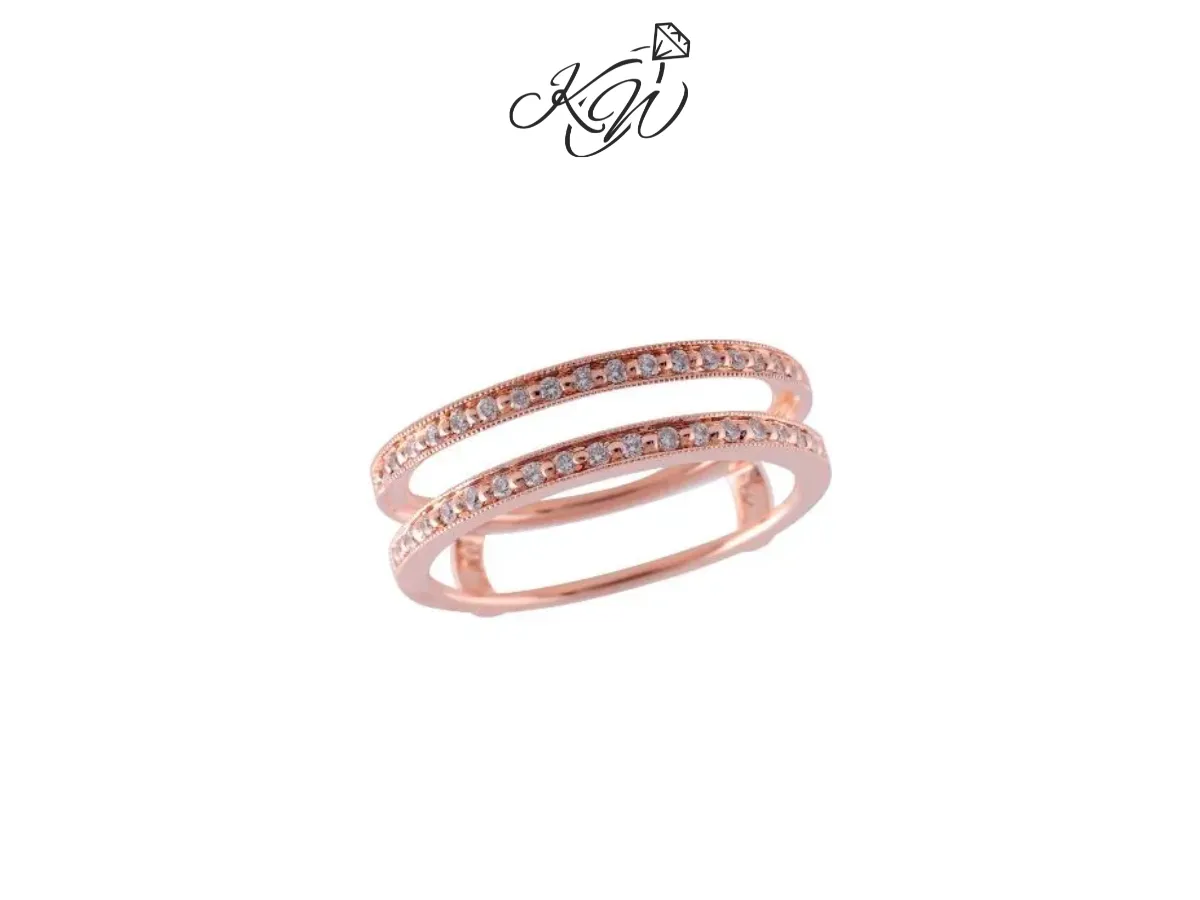
- Eternity bands: Rings with diamonds or gems wrapping completely around the band cannot be cut without removing stones or breaking the symmetry.
- Channel and tension settings: Changing the curve of the band loosens the tension holding channel-set or tension-set diamonds in place, which can cause stones to fall out.
- Hollow shanks: Some budget-friendly rings use hollow tubes of gold to save weight. Cutting into a hollow band can cause it to collapse or melt during soldering.
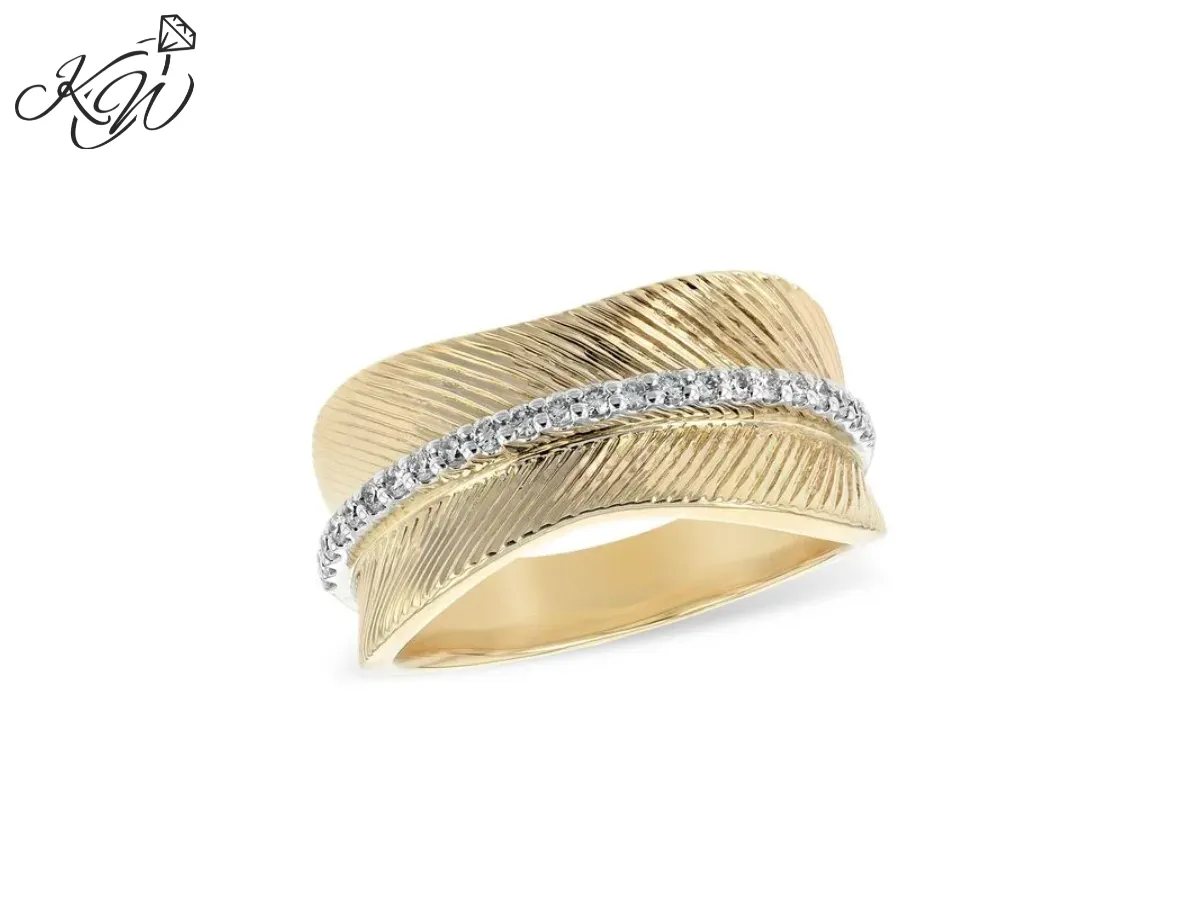
- Patterned or engraved bands: Sizing cuts through the continuous pattern. While a jeweler can join the metal, the engraved pattern will show a smooth gap where the repair occurred.
What to Do When Your Ring Cannot Be Resized
If your ring is made from an alternative metal or features an eternity setting, do not panic. You still have several practical options to achieve a comfortable, secure fit:
- Sizing Beads: A jeweler solders two tiny metal beads onto the inside bottom of the band. These keep the ring from spinning and take up roughly half a finger size. They work well for knuckles that are wider than the base of the finger.
- Spring Inserts: A thin, horseshoe-shaped piece of metal sits inside the lower half of your ring. It flexes open to slide past your knuckle and springs back against your finger pad.
- Ring Guards and Snuggies: For a quick, non-permanent fix, clear silicone spirals or clip-on plastic guards wrap around the bottom of the band to reduce slipping.
- Heirloom Redesign: If you have an inherited ring made from an unworkable design or brittle metal, you can reset the original stones into a brand-new mounting that fits your hand properly.
At Ken Walker Jewelers, we love helping families pass love down through generations. Whether that means sizing an antique band with gentle care or turning a family diamond into a fresh custom setting, there is always a path forward.
Frequently Asked Questions
Can you make a ring larger without cutting it?
Yes, but only by a very small amount. A jeweler can stretch a plain gold or platinum band on a mandrel to gain roughly a quarter to a half size. However, this slightly thins the metal, and it should never be done on bands set with fragile stones.
How many times can a ring be resized?
There is no set rule, but adjusting a ring too many times weakens the structure. Every cut and solder point introduces a slight variation in the metal. Most rings can safely handle two or three adjustments throughout their lifespan before the shank becomes too thin and needs replacement.
Does resizing make the ring band weaker?
When performed by an experienced bench jeweler, a solder joint is almost as strong as the original metal. However, stretching a band or making dramatic size jumps (such as moving up four full sizes) can stress the prongs holding your center stone. A quality jeweler always checks stone security after completing any sizing work.
How much does it cost to resize a ring?
The price depends on the metal, the width of the band, and whether you are going up or down. Sizing down is generally less expensive because it requires no added material. Sizing up costs more because the jeweler must supply new gold or platinum to fill the gap. White gold also includes the cost of new rhodium plating.
Final Thoughts
Finding the perfect fit should never feel stressful. While metals like tungsten and titanium have strict limits, classic choices like gold and platinum give you plenty of room to adapt as life changes. If you are unsure what metal your ring contains or whether your favorite piece can be altered, bring it by Ken Walker Jewelers. We are always happy to take a close look, test the metal, and walk you through every practical solution with honest, friendly advice.
Need help finding the right fit for your favorite ring? Stop by Ken Walker Jewelers today for an honest, in-person inspection and expert sizing guidance.