
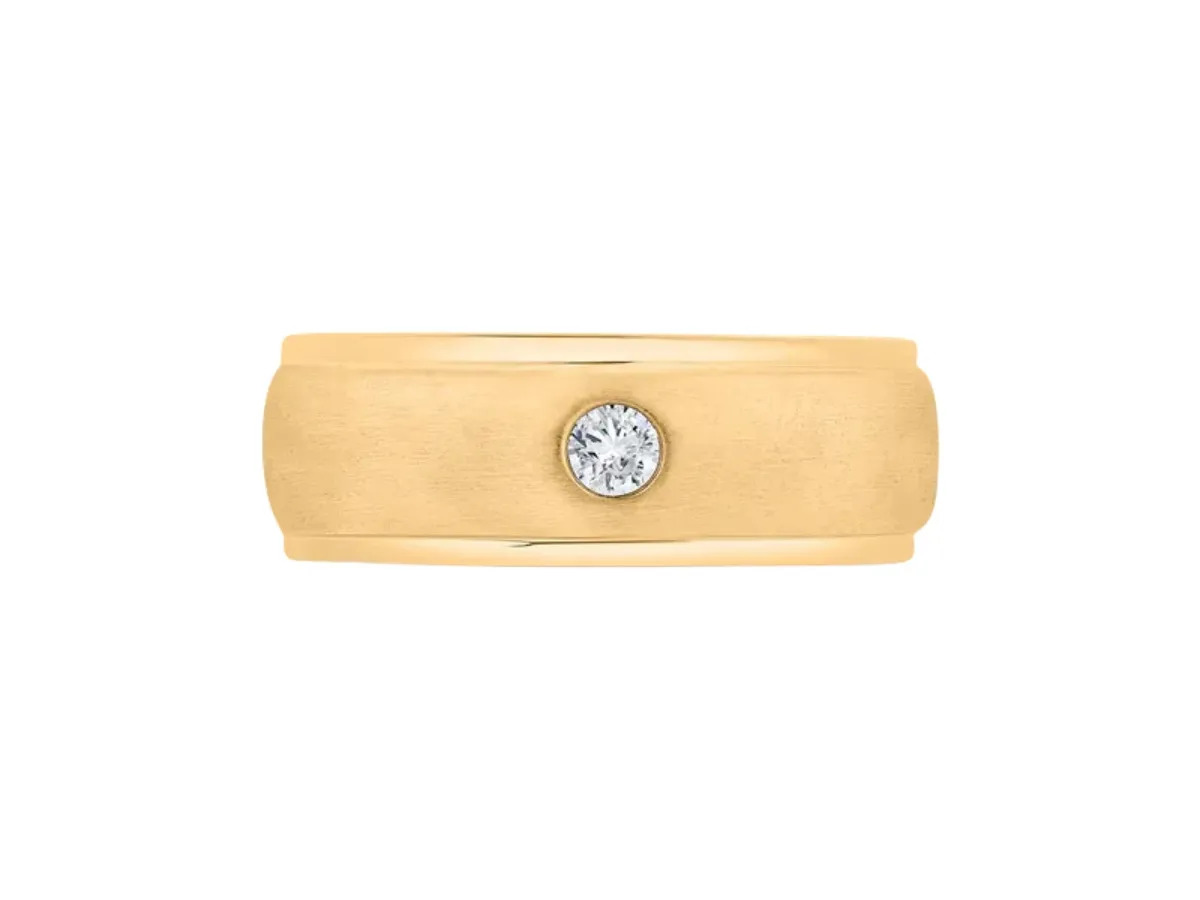
Choosing your wedding band is a significant decision, and finding one that complements your engagement ring is key. These two rings are often worn together, symbolizing your commitment. The goal is to create a harmonious look where both rings sit well on your finger and reflect your personal style. This guide will walk you through the process of pairing your wedding band with your engagement ring, helping you select a matching wedding set that you will love for years to come. Ken Walker Jewelers is here to help you make an informed decision for your special day, check out the store at Gig Harbor, WA.
Key Takeaways
- Your engagement ring's shape and profile greatly influence wedding band choices.
- Matching metal types and colors creates a unified appearance.
- Wedding bands come in straight, curved, and stackable styles to fit different needs.
- Comfort and lifestyle are important factors when selecting your band.
- Trying on bands with your engagement ring is essential for the best fit.
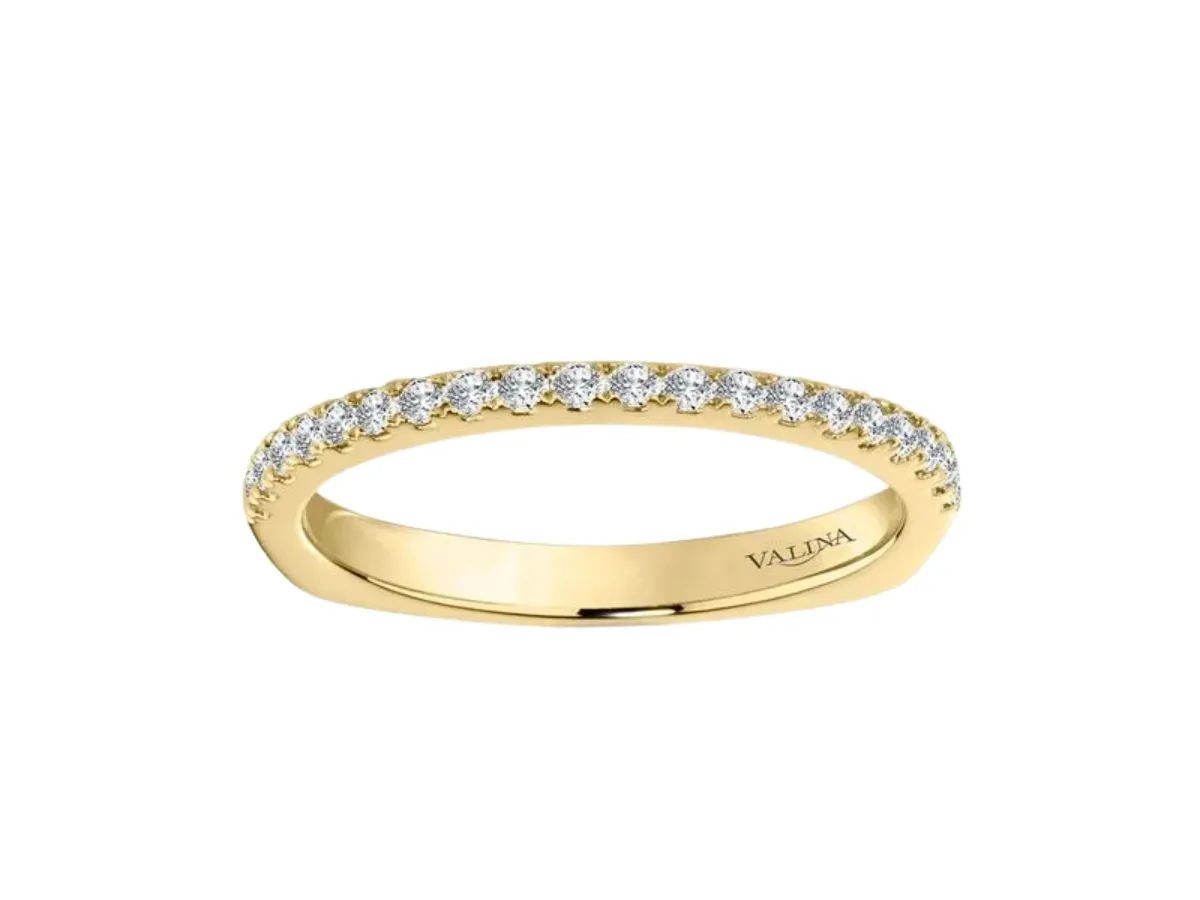
Understanding Your Engagement Ring's Design
The first step in selecting a wedding band is to carefully look at your engagement ring. Its unique features will guide you toward suitable wedding band options. Understanding your engagement ring's style and construction helps in finding a partner ring that fits well.Consider Your Ring's Profile and Shape
The way your engagement ring sits on your finger and its overall shape are important. These physical aspects directly affect how a wedding band will fit next to it.Here are points to consider:
- Straight vs. Curved: Some engagement ring settings allow a straight wedding band to sit flush against them. However, many rings, especially those with larger center stones or intricate settings, need a curved wedding band or a contoured band to fit without a gap.
- Gap Considerations: A gap between your engagement ring and wedding band can occur if the wedding band is straight but the engagement ring's setting extends too far down. This is when a curved or custom-fit band becomes a good option.
- Ring Height: The height of your engagement ring's center stone or its setting can also affect the choice. A very high setting might allow for a straight band underneath, while a lower setting might require a band designed to accommodate its shape.
Match Metals and Materials
For a consistent appearance and long-term wear, you should aim for similar metal types and materials for both your engagement ring and wedding band.Here is why this matters:
- Color Consistency: Choosing the same metal color, such as white gold with white gold or platinum with platinum, creates a unified look. This helps the rings appear as a single, cohesive unit.
- Durability: Different metals wear at different rates. Pairing a softer metal with a harder one can cause wear on the softer ring over time. Matching metals helps both rings wear evenly.
- Mixed Metals: While many prefer a unified look, mixing metals is also an option. For example, you might pair a rose gold wedding band with a white gold engagement ring. If you choose this path, do so purposefully to create a distinct, personal style.
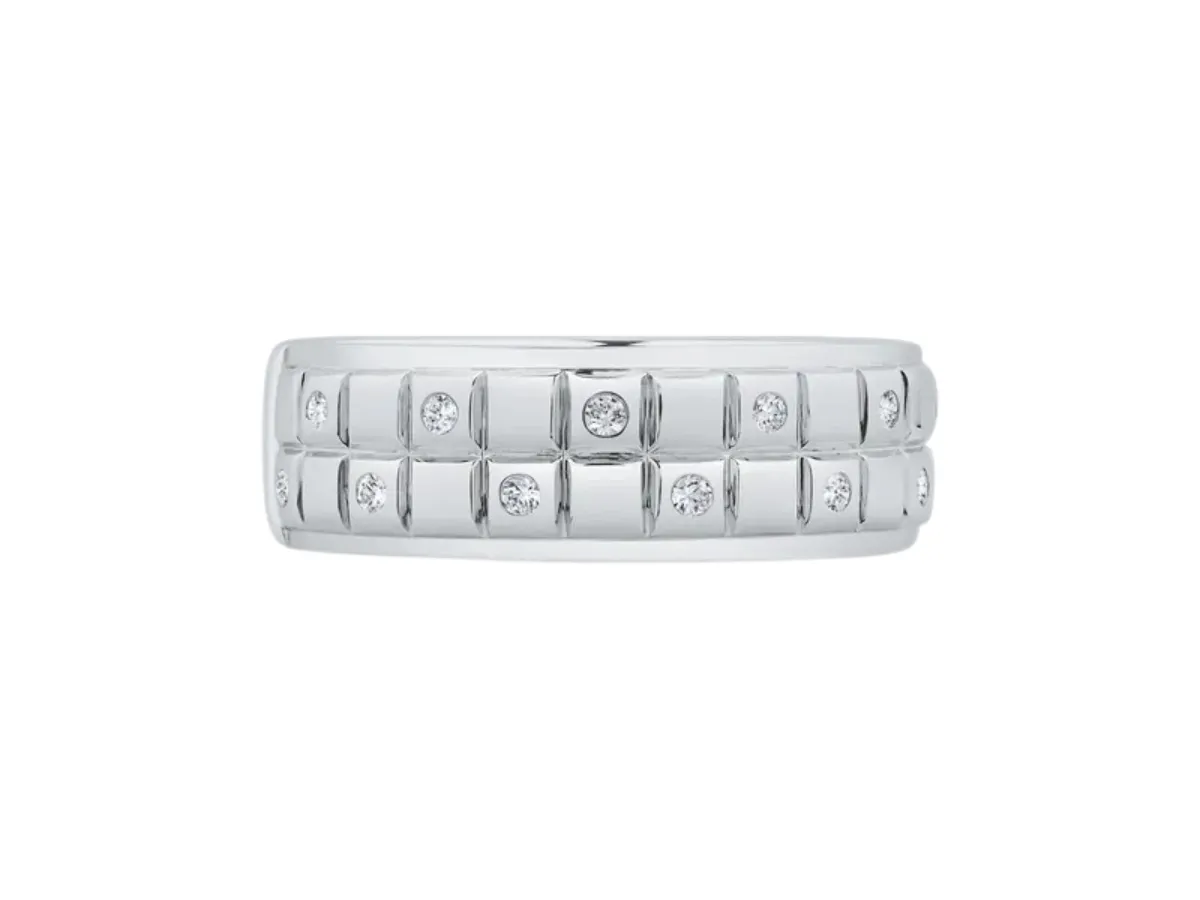
Exploring Wedding Band Styles for a Matching Wedding Set
There are many wedding band styles available, each designed to complement different engagement rings and create a matching wedding set. Understanding these styles will help you make an informed choice.Classic and Straight Wedding Bands
Classic, straight wedding bands are a popular choice for their simple beauty and timeless appeal.Consider these aspects:
- Timeless Appeal: A straight band offers a traditional and enduring look that never goes out of style.
- Versatility: These bands work well with engagement rings that have a high setting or a straight edge, allowing the wedding band to sit flush against the engagement ring without any gaps.
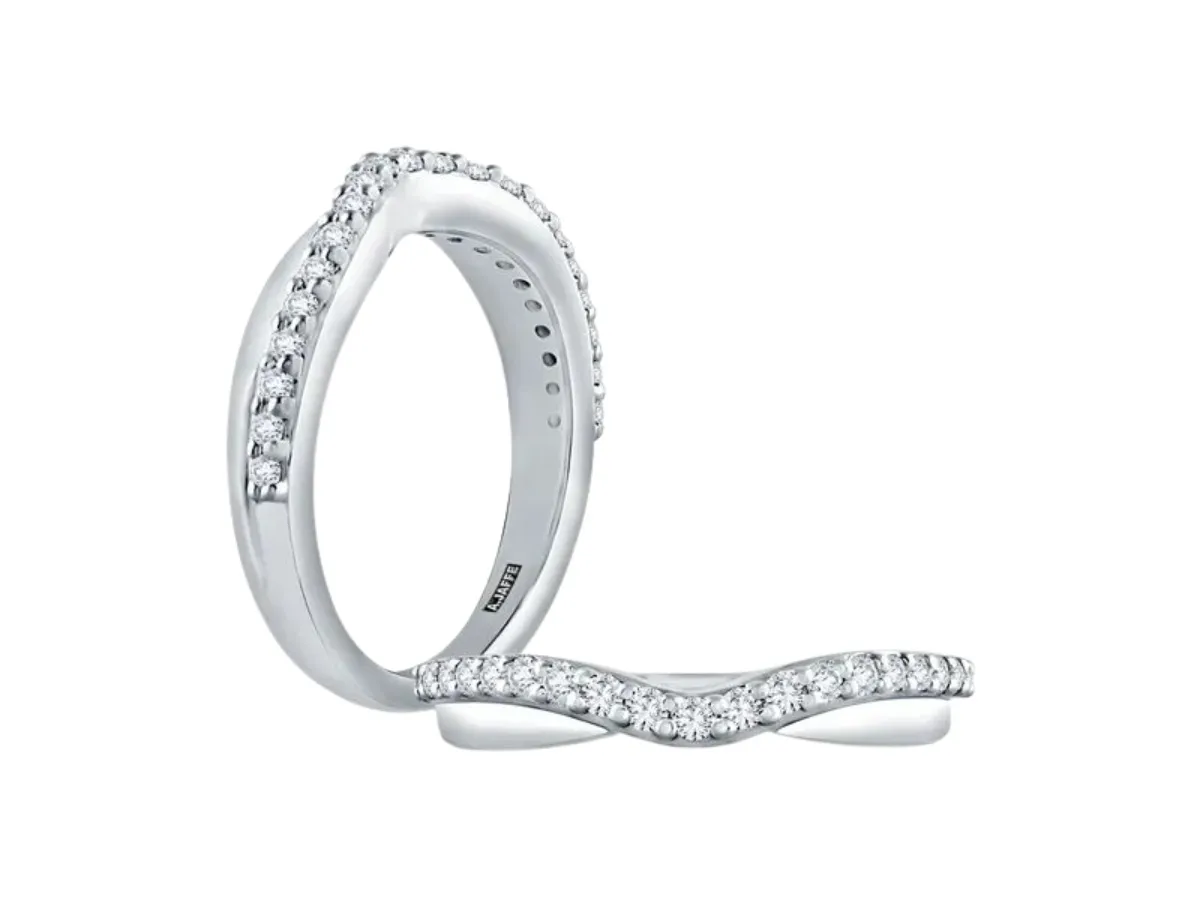
Curved Wedding Bands and Contoured Styles
For engagement rings with unique shapes or settings that prevent a straight band from sitting flush, a curved wedding band or contoured style is often the solution.These bands offer specific advantages:
- Purpose of Curves: Curved wedding bands are shaped to fit snugly around the unique contours of your engagement ring. This ensures there is no gap and the rings appear as one unit.
- Types of Curves: You can find curved bands with various degrees of curvature. Some are gently curved, while others have a more pronounced contour to accommodate specific ring designs, such as those with halo settings or unusually shaped center stones.
Stackable Rings and Enhancers
Stackable rings and enhancers offer creative ways to personalize your wedding set, allowing for a layered look or added sparkle.Explore these options:
- Layering: You can combine several thin stackable rings to create a unique and personalized wedding set. This allows you to add different textures or diamond bands to your existing engagement ring.
- Enhancers: Also known as ring jackets or guards, enhancers are bands designed to frame or surround your engagement ring. They can add extra sparkle and create a more substantial look for your entire set.
- Personal Expression: Using multiple stackable rings or an enhancer lets you show your personal style and change the look of your wedding set over time.
Important Considerations When Pairing Wedding Bands
Beyond style and fit, several practical considerations will help you choose the ideal wedding band. These factors contribute to your comfort and the longevity of your rings.Here are key points to keep in mind:
- Comfort: When worn together, both rings should feel comfortable on your finger. They should not pinch, rub, or feel too tight. The width of the combined rings is also a comfort factor.
- Lifestyle: Consider your daily activities. If you have an active lifestyle or work with your hands, you might prefer a more durable metal or a simpler band design that is less likely to catch or get damaged.
- Future Changes: Think about how your ring set might evolve. Some people choose a simple band initially and add stackable rings later for anniversaries or special occasions.
- Try Them On Together: This is the most important step. Always try on different wedding bands with your engagement ring to see how they look and feel together. What looks good separately might not create the desired effect when paired.