
Blog
Navigate Your Engagement Ring Style: Essential Elements for a Distinctive Select
Published: Feb 27, 2025
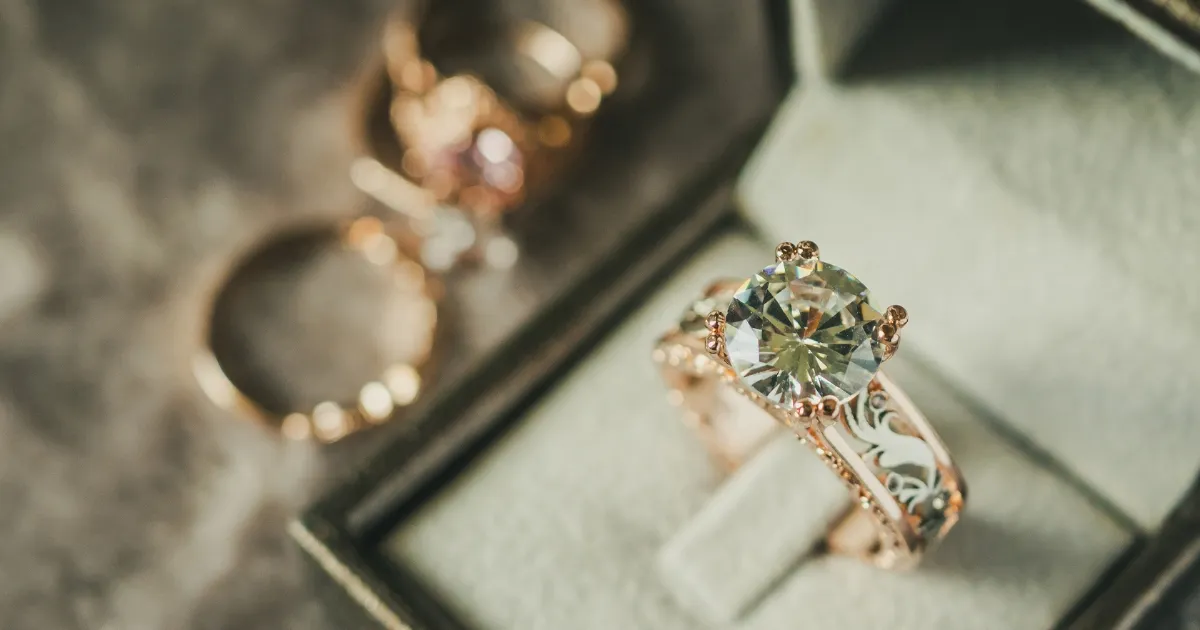
Choosing an engagement ring is an important decision that reflects personal style and commitment. Finding a ring that matches individual taste while considering factors like design, material, and fit is essential for making a unique choice. Each element of the ring can tell a story, making it truly one-of-a-kind.
This article will guide readers through key factors that influence the selection of an engagement ring. Understanding the importance of craftsmanship and personal touches can help individuals create a piece that feels special and represents their relationship.
With the right knowledge, anyone can navigate their engagement ring options and make a choice that resonates on a personal level. The journey to finding the perfect ring can be enjoyable and rewarding.
Key Takeaways
- Knowing the ring's elements helps in making an informed choice.
- Personal style plays a vital role in selecting a unique design.
- Craftsmanship ensures the ring is not only beautiful but durable.
Understanding Ring Elements
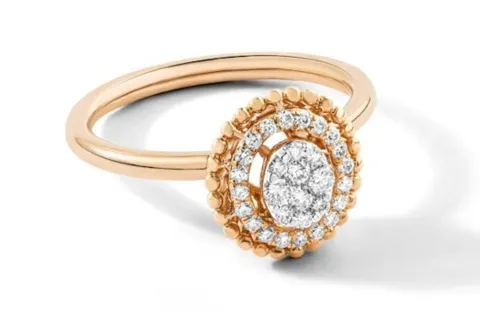
Choosing an engagement ring involves considering several key factors. These elements include the type of stone, the metal used for the band, and the style of the setting. Each choice plays a vital role in creating a unique ring that reflects personal taste.
Diamonds and Gemstones
The choice of stone is one of the most important aspects of an engagement ring. Diamonds are a popular choice due to their durability and brilliance. They are rated using the Four Cs: Carat, Cut, Color, and Clarity.
- Carat: This refers to the weight of the diamond.
- Cut: This affects how well the stone reflects light.
- Color: Diamonds range from colorless to light yellow or brown.
- Clarity: This measures the presence of inclusions or blemishes.
Other gemstones, like sapphires, emeralds, and rubies, offer alternatives. These stones can provide color and personality. Each gemstone has unique qualities, such as hardness and brilliance, which are important to consider.
Metal Types
The metal used for the ring band also influences its style and durability. Common metal options include:
- Platinum: Known for its strength and hypoallergenic properties.
- White Gold: Offers a similar look to platinum but is more affordable.
- Yellow Gold: A classic choice that adds warmth.
- Rose Gold: Popular for its unique, romantic hue.
Each metal has its own care requirements. For example, platinum is less likely to tarnish, while silver may need more frequent polishing. Selecting the right metal can enhance both the look and longevity of the ring.
Setting Styles
The setting style holds the stone in place and affects the ring's appearance. Here are a few common styles:
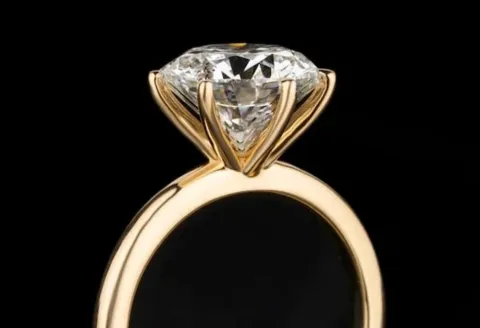
- Solitaire: Features a single stone, highlighting its beauty.
- Halo: Surrounds the center stone with smaller stones, adding sparkle.
- Three-Stone: Features three stones, representing the past, present, and future.
- Pavé: Has small stones set closely together for a continuous sparkle.
Choosing the right setting style not only enhances the stone but also impacts how the ring feels on the finger. Each style provides a different aesthetic, allowing for personal expression.
Determining Your Style
Choosing an engagement ring style is personal and exciting. Each person has unique tastes that reflect their personality. Understanding the difference between classic and modern styles, as well as bold versus subtle designs, can help narrow down the options.
Classic vs. Modern
Classic engagement rings feature timeless designs. They often include round center stones and simple bands, giving a traditional look. Popular settings like solitaire or three-stone rings are common in classic styles.
Modern rings can break from tradition. They might use unique shapes or mixed metals. Styles such as geometric designs and asymmetrical settings stand out. Colorful gemstones, like sapphires or emeralds, may also be part of modern styles. Choosing between classic and modern depends on personal taste and lifestyle.
Bold vs. Subtle
Bold engagement rings make a strong statement. They usually include larger stones or intricate designs. A large diamond in a unique setting can draw attention. Rings with colored gemstones or elaborate halos are also bold choices.
In contrast, subtle rings focus on simplicity. They often feature delicate bands and smaller stones. An elegant, understated design can be just as beautiful as a bold one. Subtle rings can blend into everyday fashion and suit a variety of settings. Choosing between bold and subtle largely depends on the individual's style and preference.
Sizing and Fit
Finding the right size and fit for an engagement ring is essential for comfort and style. A ring that fits well not only feels good, but it also showcases the stone effectively.
Ring Sizes
Ring sizes vary from country to country. In the U.S., sizes usually range from 3 to 13. Most jewelers can measure a finger to determine the correct size, ensuring the perfect fit.
Important points to consider:
- Measurement Method: It’s best to measure the finger the ring will be worn on, ideally at the end of the day when fingers might be slightly larger.
- Seasonal Changes: Fingers can swell or shrink with temperature changes. Keep this in mind when selecting a size.
- Resizing Options: Many rings can be resized, but some styles may have limitations.
Comfort and Practicality
A well-fitting ring should be comfortable for daily wear. Comfort is critical, especially for an item worn frequently.
Key factors to enhance comfort:
- Width of the Band: Wider bands can feel tighter, so a slightly larger size may be needed.
- Profile Shape: A rounded or comfort-fit interior on the band can make a significant difference.
- Materials: Different materials can also affect comfort levels; for example, metals like platinum are heavier than gold.
Considering both size and comfort is crucial when selecting an engagement ring. It will ensure that the ring is not only beautiful but also practical for everyday wear.
Personalizing Your Ring
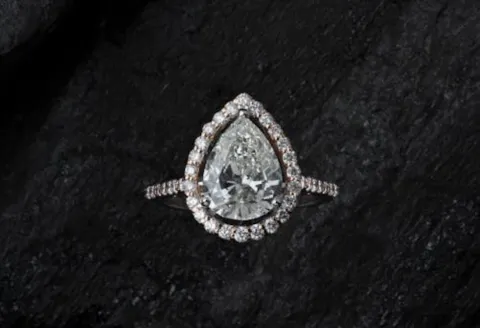
Personalizing an engagement ring adds special meaning to an already significant piece of jewelry. Couples can choose from engravings or custom designs to create a unique symbol of their love.
Engravings
Engravings allow individuals to add personal messages to the inside or outside of the ring. Common choices include initials, dates, or words that hold special meaning.
Popular Engraving Ideas:
- Significant dates (e.g., proposal or anniversary)
- Initials or names
- Meaningful phrases or quotes
Engraving enhances sentimental value. It can make a simple ring feel much more personal. Selecting a font is also important. Different styles can convey various emotions, from elegant scripts to bold prints.
Custom Designs
Custom designs offer the freedom to create a ring that reflects personal style. Couples can work with jewelers to choose their preferred metal, stone, shape, and setting.
Factors to Consider:
- Metal Choices: Gold, silver, or platinum can impact the look and durability.
- Stone Selection: Beyond diamonds, colorful gems can add flair and personalization.
- Shape and Setting: Unique shapes or settings can create a distinctive silhouette.
Working closely with a designer ensures the ring matches the vision. Custom designs cater to taste and lifestyle, making each ring truly unique.
The Importance of Craftsmanship
Craftsmanship plays a vital role in creating engagement rings. The quality of materials and the skills of the jeweler significantly affect the final piece. Buyers should pay attention to both jeweler selection and quality assurance to ensure they receive a ring that meets their expectations.
Jeweler Selection
Choosing the right jeweler is essential. A skilled jeweler brings experience and artistry to the design and creation process. Look for jewelers with a strong reputation and positive reviews.
Consider the following factors:
- Portfolio: Review their previous work to gauge style and quality.
- Certifications: Check for proper training and certification from recognized organizations.
- Communication: A good jeweler listens to customers and provides clear guidance throughout the process.
A trustworthy jeweler will ensure that the craftsmanship matches the buyer’s expectations.
Quality Assurance
Quality assurance involves inspecting the ring’s details and finishes. It ensures the final product meets high standards of craftsmanship. Attention to detail is crucial in areas such as setting, polishing, and stone selection.
Key aspects to check for include:
- Stone Setting: Ensure stones are securely set to avoid loss or damage.
- Metal Quality: Verify the purity of the metal used, like gold or platinum.
- Finish: A high-quality finish enhances the ring’s appearance and durability.
A focus on quality assurance helps buyers feel confident in their choice and investment.
Frequently Asked Questions
Choosing an engagement ring involves considering various styles, settings, and diamond qualities. Several factors contribute to the decision-making process, including personal preferences, practicality, and aesthetic appeal.
What are the most popular types of engagement ring settings?
The most popular types of engagement ring settings include solitaire, halo, three-stone, and pave.
- Solitaire features a single diamond, showcasing its brilliance.
- Halo settings have a center stone surrounded by smaller diamonds, adding sparkle and visual size.
- Three-stone rings represent the past, present, and future with one larger diamond flanked by two smaller ones.
- Pave settings use numerous small diamonds to create a continuous sparkle along the band.
How do different settings and mountings affect an engagement ring's appearance?
The setting and mounting style greatly influence an engagement ring's appearance.
- A higher setting can make the center stone stand out more.
- A lower setting may offer a more discreet look.
- Certain settings can also enhance the overall brilliance of the diamonds, affecting how light interacts with the ring.
Can you explain the differences between the various diamond setting techniques?
Diamond setting techniques vary in style and security.
- Prong setting holds the stone with metal claws for maximum visibility and light exposure.
- Bezel setting surrounds the diamond with a metal rim, providing more protection.
- Channel setting lines diamonds up in a row without visible prongs, offering a sleek look.
Each technique impacts the ring's style, durability, and how light reflects off the stones.
What factors should be considered when selecting a unique engagement ring style?
When selecting a unique engagement ring style, many factors can influence the choice.
- Personal tastes should align with the ring's design.
- Lifestyle and daily activities can impact ring durability.
- The wearer's hand shape and skin tone may help determine which metals and stones complement them best.
How do the 5 C's of diamonds influence engagement ring choices?
The 5 C's of diamonds—cut, color, clarity, carat, and certification—are essential in making informed choices.
- Cut determines how well the diamond reflects light.
- Color ranges from colorless to various shades, affecting value.
- Clarity refers to the presence of inclusions or blemishes.
- Carat is the weight of the diamond, impacting size.
- Certification assures the diamond’s quality and characteristics meet specific standards.
What guidelines exist for choosing the correct size and style of an engagement ring?
Choosing the correct size and style of an engagement ring requires careful consideration.
- It is important to know the wearer's ring size to ensure a proper fit.
- Styles should match the recipient’s personal taste and lifestyle.
- Trying on different styles before making a decision is highly recommended to see what feels comfortable and appealing.