
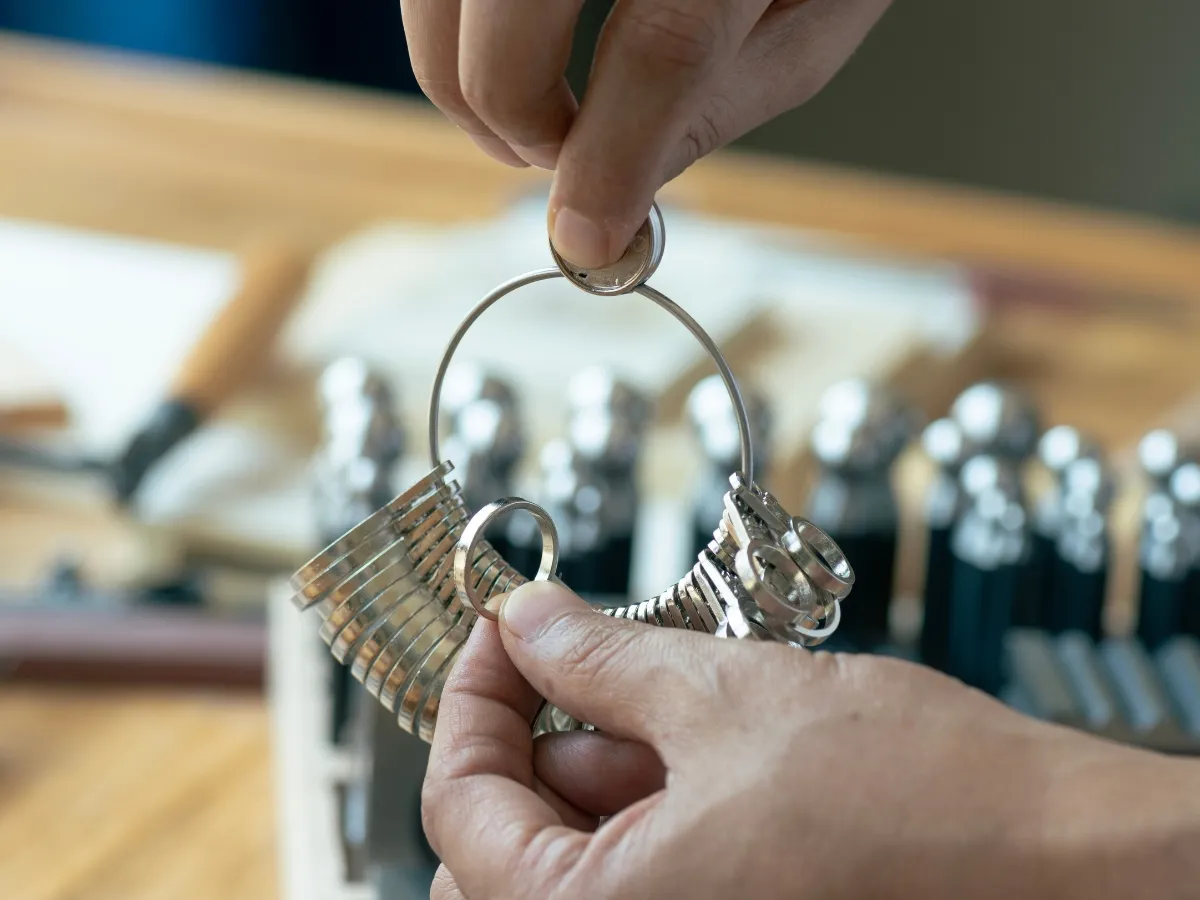
Why Sizing and Fit Matter
When you shop for a ring, whether it is a wedding band, an engagement ring, or a gift, the last thing you want is a ring that pinches your finger or spins like a merry-go-round. Sizing and fit are not just about comfort. They also affect how your ring looks and how long it will last. A ring that is too tight can cut into your skin, while a ring that is too loose can slip off and disappear into the depths of a sofa cushion.
At Ken Walker Jewelers in Gig Harbor, WA, we often tell customers that a ring should feel like a handshake. Firm but not crushing, comfortable but not flimsy. When you get the sizing right, you can enjoy your jewelry without worry.
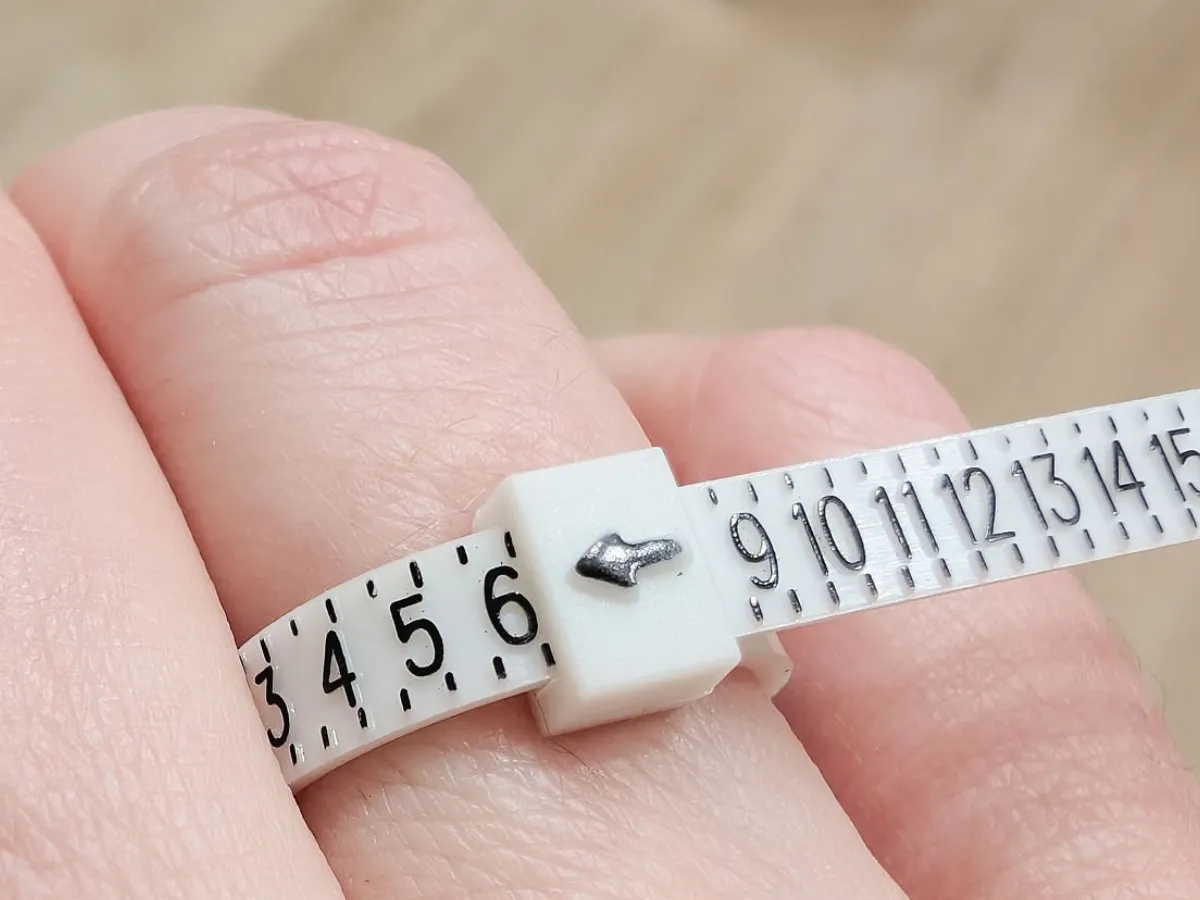
Tools You Can Use at Home
You might be surprised at how many everyday items can help you size your finger. Here are some simple tools:
Printable ring sizer charts. Many jewelers offer downloadable charts you can print at home. Place an existing ring on the circles until you find a match.
String or dental floss. Wrap it around your finger, mark where it overlaps, then measure with a ruler. Not the fanciest method, but it works in a pinch.
Paper strips. Cut a thin strip of paper, wrap it around your finger, mark it, and measure the length.
Reusable ring sizer kits. Small, inexpensive plastic tools you can order online that mimic a jeweler’s set of ring gauges.
Each method has pros and cons, but they all give you a starting point for accurate sizing and fit.
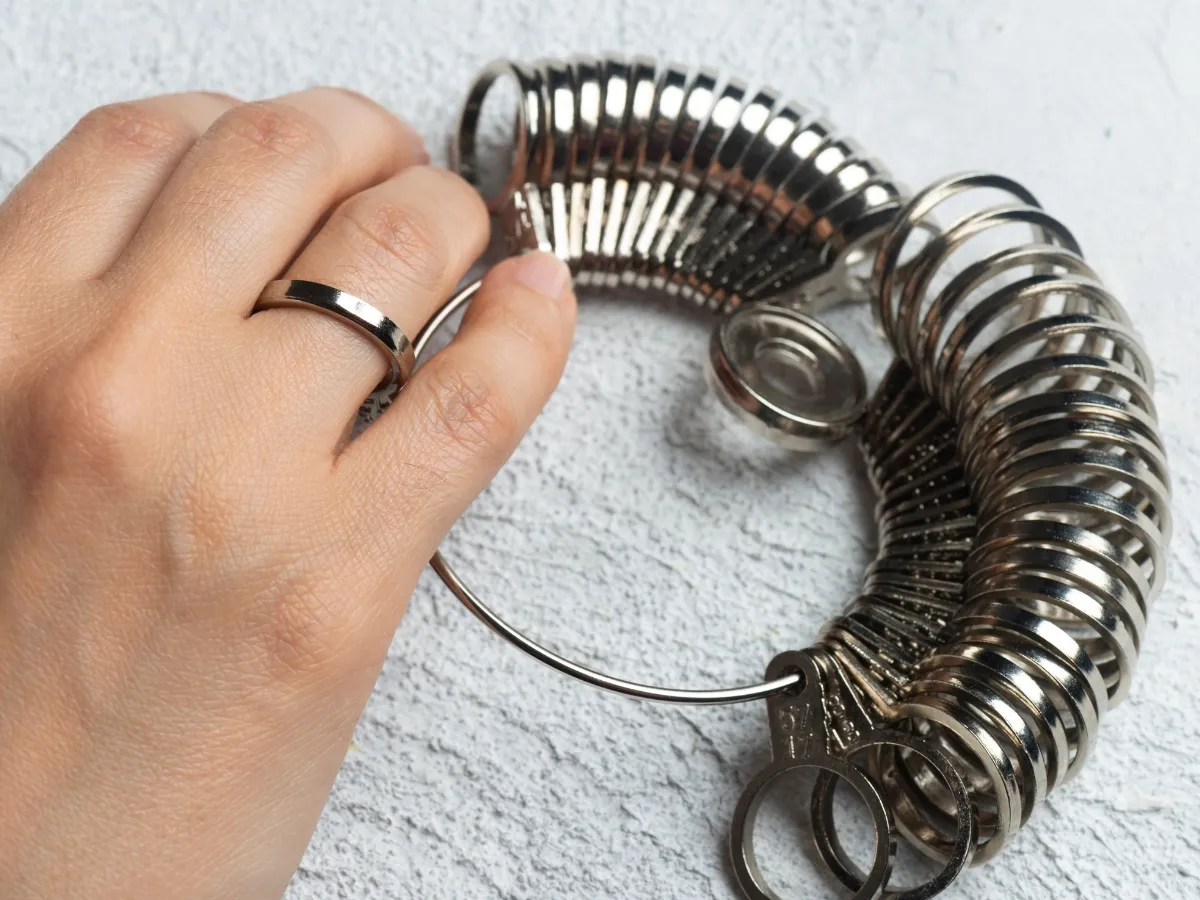
Tips for Accurate Measurement
Measuring at home can be tricky, so follow these tips to avoid common mistakes:
- Measure at the right time. Fingers swell throughout the day. Measure in the evening when your fingers are at their largest.
- Try multiple times. Measure your finger three or four times to confirm accuracy.
- Mind the knuckles. If your knuckle is wider than the base of your finger, choose a size that slips over the knuckle but still sits comfortably.
- Use the right finger. Each finger is different. Be sure to measure the exact finger where the ring will be worn.
- Consider the width. A wider band often feels tighter. You may need to size up for thick wedding bands compared to slim stacking rings.
Think of it like shoe shopping. Just because you wear a size nine sneaker does not mean you can slip into a size nine stiletto without wincing. Rings are the same: the shape and style influence the fit.
Common Mistakes to Avoid
Many shoppers misjudge ring size because they skip small details. Avoid these pitfalls:
- Measuring with stretchy string that shifts and throws off the result.
- Measuring cold fingers, which makes your size smaller than normal.
- Guessing based on someone else’s ring size. Your hands are unique.
- Forgetting that the fingers on your dominant hand may be larger.
At Ken Walker Jewelers, we often see rings come in for resizing because someone underestimated these little factors. Taking extra care at home saves you time, money, and stress later.
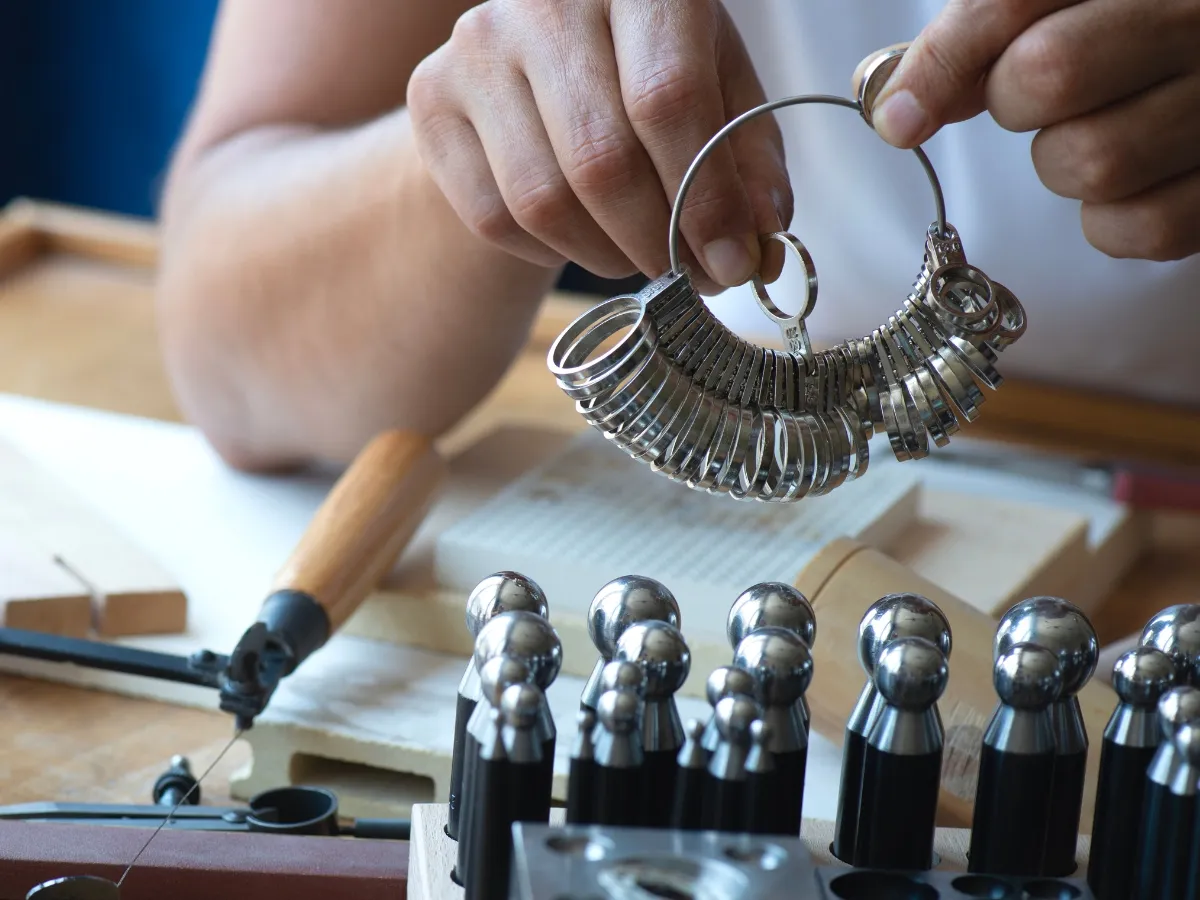
Why Professional Help Still Matters
While home methods are helpful, nothing beats the precision of a professional jeweler. Our team at Ken Walker Jewelers in Gig Harbor, WA uses industry-grade sizing tools and decades of experience to guide you. We can account for details you might miss, such as how arthritis or finger shape affects comfort.
That said, starting with an accurate home measurement helps narrow the choices and prepares you for a smoother shopping experience. Think of your home measurement as the first draft, and a jeweler’s guidance as the final edit.
Sizing and Fit for Special Rings
Not all rings behave the same way on your finger. Keep these differences in mind:
- Wedding Bands: Since you wear them every day, comfort is key. A perfect fit prevents irritation over time.
- Engagement Rings: Balance matters. If the band is heavy on one side with a large stone, proper sizing keeps it from tipping.
- Men’s Custom Rings: Larger, thicker bands often need a slightly different size than slim rings.
- Stacking Rings: When you wear multiple rings together, they can feel tighter. Measure for the full stack, not just one.
- Gift Rings: If you are guessing someone else’s size, measure one of their existing rings or trace the inside on paper for reference.
Each category demands attention to detail, and that is why sizing and fit are at the heart of a smart purchase.
Maintaining the Right Fit Over Time
Your ring size can change with age, weight, and even seasons. That is why it is smart to check the fit every few years. At Ken Walker Jewelers, many customers come back for resizing when life changes call for it. Rings should fit your story at every stage of life, from the first proposal to the golden anniversary.
Final Thoughts
Finding the right sizing and fit for your ring may feel like solving a riddle, but with a little patience and the right guidance, you can get it right. Home methods give you a head start, and Ken Walker Jewelers in Gig Harbor, WA, is always ready to help you confirm the perfect size. After all, a ring is more than a piece of metal and stone—it is a circle of memory, love, and commitment that deserves to fit just right.
FAQs About Measuring Ring Size at Home
1. How can I measure my ring size without a ring sizer?
You can use string, floss, or a paper strip wrapped around your finger, then measure with a ruler to compare against a sizing chart.
2. Should I measure my ring size in the morning or evening?
Evening is best because fingers are slightly larger, giving you a more accurate measure.
3. What if my knuckles are much bigger than my finger?
Choose a size that passes over the knuckle but still feels snug at the base. A jeweler can adjust the design for comfort.
4. Do men and women measure ring sizes differently?
No, the system is the same. The difference lies in the style of the ring and the width of the band.
5. How often should I check my ring size?
It is wise to check every few years or if you notice changes in weight, health, or comfort.