
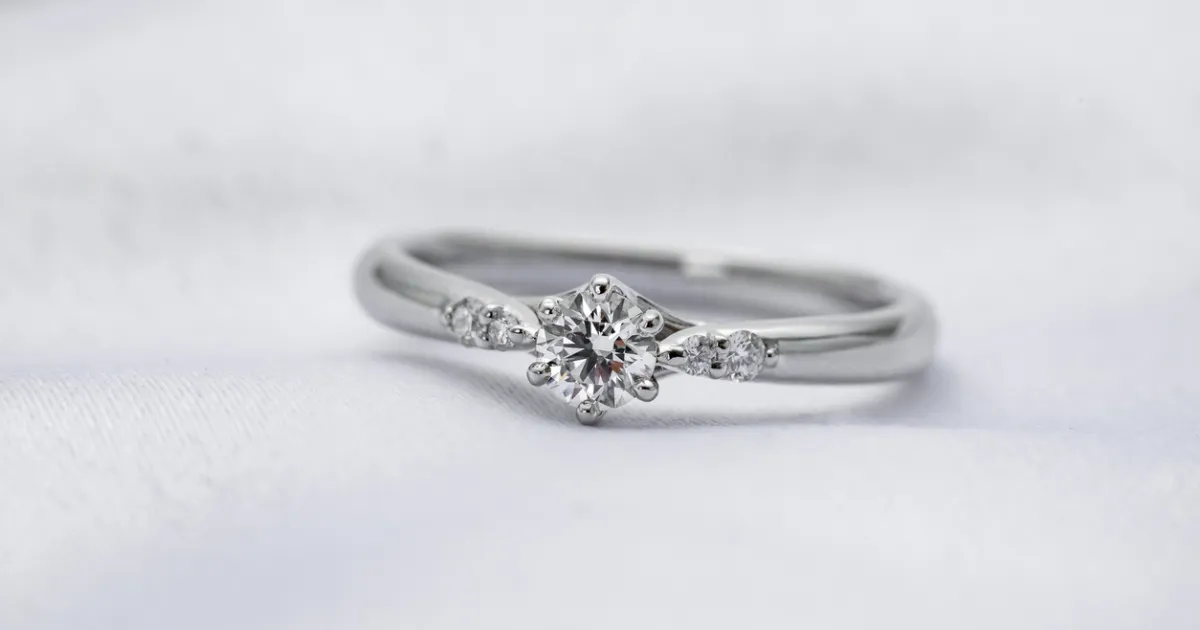
Choosing a sustainable engagement ring is not just a trendy decision; it is a choice that actively helps the planet. These rings are made using ethical practices, reducing environmental harm and promoting social responsibility. By opting for sustainably sourced materials, couples can celebrate their love while also caring for the Earth.
Sustainable engagement rings come from systems that prioritize green methods, often using recycled metals and lab-created stones. These options lessen the impact on the environment compared to traditional mining. As people become more aware of their carbon footprint, sustainable jewelry becomes a meaningful way to express values and commitment.
As awareness around sustainability grows, so does innovation in the jewelry industry. Brands are developing new practices that not only benefit the environment but also support fair labor conditions. This shift allows consumers to make choices that align with their values while still enjoying beautiful, unique rings.
Key Takeaways
- Sustainable rings use ethical sourcing to minimize harm to the planet.
- These rings support fair labor practices and social responsibility.
- Innovations in the industry are creating eco-friendly jewelry options.

Understanding Sustainable Jewelry
Sustainable jewelry focuses on practices that positively impact the environment and society. It involves ethical sourcing, responsible production, and long-lasting designs.
Defining Sustainability in the Jewelry Industry
Sustainability in the jewelry industry means making choices that minimize harm to the environment. This includes using recycled metals, lab-grown gemstones, and ethically mined materials.
Key Concepts:
- Recycled Materials: Using materials that have been previously used to decrease waste.
- Ethical Sourcing: Ensuring materials are obtained without harming communities or ecosystems.
Sustainable practices help reduce the carbon footprint and promote fair labor conditions. Jewelry brands are increasingly adopting these practices to appeal to environmentally conscious consumers.
The Rise of Eco-Friendly Jewelry
There has been a significant increase in the popularity of eco-friendly jewelry. Consumers are more aware of environmental issues, driving demand for sustainable options.
Trends in Eco-Friendly Jewelry:
- Lab-Grown Gems: These stones are created in labs with less environmental impact than traditionally mined gemstones.
- Small-Scale Artisans: Many buyers prefer supporting independent jewelers who use sustainable methods.
This shift reflects a broader commitment to sustainability across fashion. Brands that embrace eco-friendly practices often see stronger customer loyalty and positive brand image

Environmental Benefits
Sustainable engagement rings have significant environmental advantages. These rings help lower the negative impact of the jewelry industry on the planet. The following subsections summarize how they achieve this through a reduced environmental footprint and the conservation of natural resources.
Reduced Environmental Footprint
Traditional diamond mining often causes serious harm to ecosystems. It requires large amounts of land and energy. In contrast, sustainable engagement rings typically use lab-grown diamonds or recycled materials. These options minimize land disturbance and use less energy.
According to studies, lab-grown diamonds create 85% less carbon dioxide compared to mined diamonds. This reduction helps combat climate change. Additionally, by avoiding destructive mining practices, sustainable rings help preserve biodiversity and limit soil erosion. Overall, these practices contribute to a healthier planet.
Conservation of Natural Resources
Sustainable engagement rings prioritize the careful use of natural resources. Many use recycled metals, such as gold and silver, which reduces the need for new mining. This helps protect precious ecosystems from being exploited.
Using recycled materials also lowers the demand for new materials. Mining for metals can lead to habitat destruction and pollution. By selecting sustainable rings, consumers support methods that keep forests and wildlife habitats safe. This choice directly benefits the environment and aids in resource conservation for future generations.
Social and Ethical Advantages
Sustainable engagement rings offer not only environmental benefits but also important social and ethical advantages. These rings support communities and help prevent human rights abuses related to traditional diamond mining.
Support for Artisanal Mining Communities
Sustainable engagement rings often source materials from artisanal mining communities. These small-scale miners rely on their local economy for survival. By purchasing from them, consumers help boost their income and improve living conditions.
Supporting these communities can lead to better practices and more responsible mining. These miners usually use less harmful methods compared to large corporations. Plus, when consumers choose these rings, they promote fair wages and safer working environments.
Combating Conflict Diamonds
Conflict diamonds are gems mined in war zones and sold to finance violence. Choosing sustainable engagement rings helps combat this issue. Ethical sourcing practices ensure that diamonds come from regions free of conflict.
Many sustainable brands are committed to transparency. They trace their diamonds’ origins, so buyers can know where their stones come from. This transparency is vital, as it helps ensure that diamonds are mined without exploiting workers or funding violence.
By selecting sustainable options, consumers play a role in promoting peace and ethical practices in the diamond industry.

Consumer Considerations
When choosing sustainable engagement rings, consumers should pay attention to important details like transparency and the materials used. Understanding these aspects can guide them in making environmentally friendly and responsible choices.
Transparency and Traceability
Consumers should seek rings that provide clear information about the supply chain. Transparency means knowing where the materials come from and how they are sourced.
Sustainable brands often show their commitment by using conflict-free gemstones. This ensures that stones are not funding violence or exploitation. Traceable materials help customers support ethical practices.
Some companies provide certificates or documentation that confirm where their diamonds and other materials are obtained. Understanding these sources can give customers peace of mind as they make their purchases.
The Value of Recycled Materials
Recycled materials play a crucial role in sustainable engagement rings. Using these materials reduces the need for new mining, which can harm the environment.
Rings made from recycled gold, for example, help decrease waste and lower energy consumption. This process also lowers the carbon footprint associated with producing new metals.
By choosing rings with recycled materials, consumers contribute to a circular economy. This approach promotes sustainability and helps conserve natural resources while still providing beautiful options for engagement rings.
Innovation in Sustainable Practices
Innovations in sustainable engagement rings are transforming the jewelry industry. Key developments include lab-grown diamonds and top luxury brands leading the way in eco-friendly practices.
Advancements in Lab-Grown Diamonds
Lab-grown diamonds are created using advanced technology that mimics the natural diamond formation process. These diamonds have the same chemical and physical properties as mined diamonds.
They are made from carbon and are virtually indistinguishable from natural stones. Because they do not require mining, lab-grown diamonds significantly reduce environmental impact.
These diamonds use less energy and water than traditional mining. The reduction in land disruption leads to a smaller carbon footprint. As they become more popular, they also offer consumers a more affordable option.
Sustainable Luxury Brands Leading Change
Several luxury brands are committing to sustainable practices. They focus on using ethically sourced materials and reducing waste in production.
Brands like Brilliant Earth and Chopard prioritize transparency in their supply chains. They provide information about where materials are sourced and how they are processed.
Many of these brands are also investing in eco-friendly packaging and promoting recycling. This shift encourages consumers to choose sustainable options.
By prioritizing sustainability, these brands enhance the value of their products. They create a positive impact on the environment and set new standards in the industry.
Frequently Asked Questions
Many people have questions about sustainable engagement rings. These rings offer advantages for the environment, ethical practices, and consumer choices. The following questions cover various aspects of sustainability in engagement rings.
What are the environmental benefits of choosing a sustainable engagement ring?
Sustainable engagement rings often use recycled materials. This reduces the need for new mining, which can harm ecosystems. These rings also often have a lower carbon footprint, contributing to less pollution and resource waste.
How does the mining of precious stones for traditional engagement rings impact the planet?
Mining for precious stones can lead to soil erosion and habitat destruction. It often involves using harmful chemicals that can contaminate water sources. These practices can have long-lasting effects on local environments and communities.
In what ways do recycled materials make engagement rings more sustainable?
Recycled materials help to lessen the demand for new resources. Using metals or stones that have been repurposed reduces the energy needed for extraction and processing. This process helps to conserve natural resources and cut down on waste.
Can lab-grown diamonds be considered a more eco-friendly option for engagement rings, and why?
Lab-grown diamonds are created in controlled environments using technology. This process requires less energy and does not lead to environmental damage associated with mining. Because they don't use natural resources, they are often viewed as a more eco-friendly choice.
How does the production of sustainable engagement rings support ethical labor practices?
Companies that focus on sustainability often prioritize fair labor practices. They tend to ensure safe working conditions and fair wages for workers. This commitment contributes to ethical sourcing and supports local communities.
What certifications should consumers look for when shopping for an eco-conscious engagement ring?
Consumers should look for certifications like the Fair Trade or Responsible Jewelry Council labels. These certifications guarantee that the materials used meet specific standards for sustainability and ethical practices. This can help buyers make informed decisions about their purchases.