
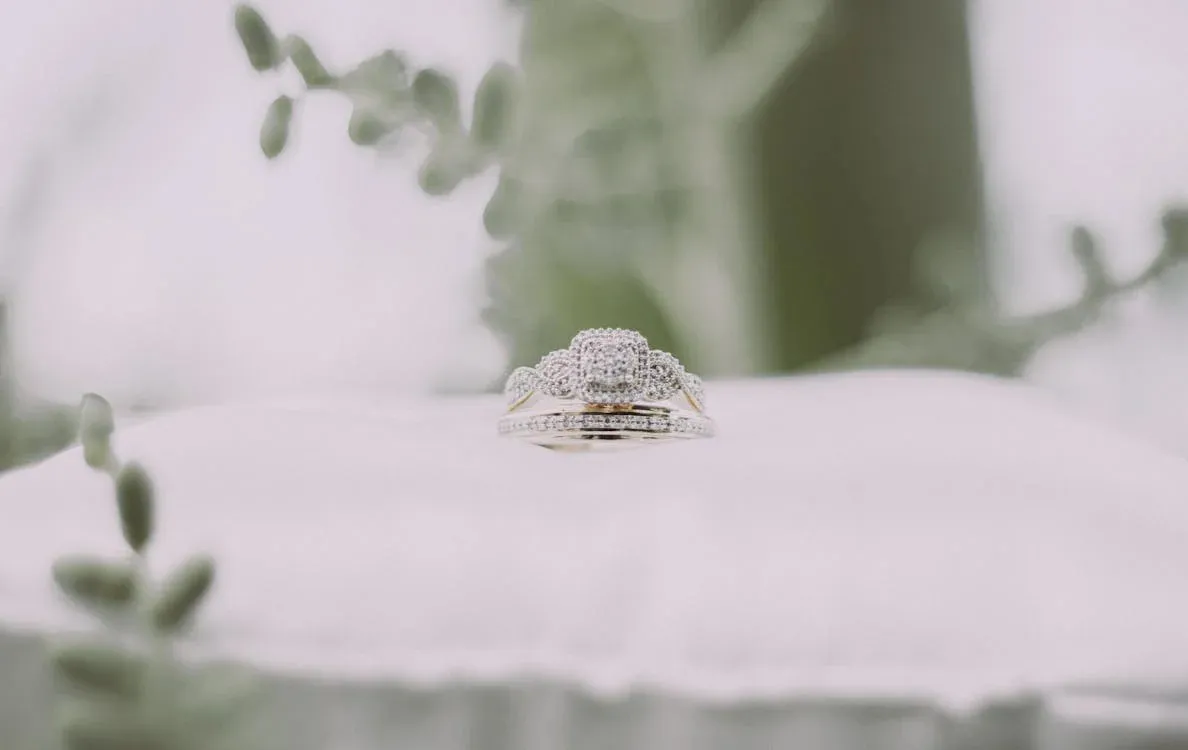
Finding the right wedding band to match an engagement ring can feel complicated. By considering metal types, styles, and gemstone elements, she can find a band that beautifully complements her engagement ring. This process goes beyond simple aesthetics; it reflects personal taste and commitment.
When looking for the perfect match, it is important to assess the engagement ring's design and metal. Different styles can clash if they are not thoughtfully paired. Exploring options for custom designs can lead to a unique solution that captures her style.
Matching widths and thickness can also enhance the overall look. Taking the time to explore these details ensures that both rings will sit comfortably together, creating an elegant appearance.
Key Takeaways
- Finding the right match involves considering metal types and ring styles.
- The width and thickness of both rings should complement each other.
- Custom designs can provide personalized solutions for a perfect pairing.
Understanding Engagement Ring Styles
Engagement rings come in various styles, each offering a unique look and feel. Knowing these styles helps in finding a wedding band that complements the engagement ring beautifully.
Solitaire and Prong-Set Rings
Solitaire rings feature a single diamond or gem. This classic design showcases the stone and emphasizes its beauty. The prong setting typically holds the gem in place with small metal claws.
- Design: Simple and elegant
- Gem Visibility: High visibility for the stone
- Metal Choice: Can be made in gold, silver, or platinum
This ring style pairs well with a plain band or one with small diamonds to maintain focus on the solitaire.
Halo and Pave Rings
Halo rings have a center stone surrounded by smaller diamonds. This design enhances the overall sparkle and creates a larger appearance for the main stone. Pave rings feature small stones set closely together across the band.
- Halo Ring Features:
- Increased shine
- Creates a romantic look
- Pave Ring Features:
- Continuous sparkle
- Adds a modern touch
These styles match well with bands that have a similar sparkle, enhancing the entire look.
Bezel and Channel Set Rings
Bezel settings encase the gem with metal, offering protection and a sleek appearance. This style is low-profile and versatile. Channel settings have diamonds or stones set into the band without visible prongs.
- Bezel Ring Traits:
- Unique and contemporary
- Great for active lifestyles
- Channel Ring Traits:
- Modern appearance
- Smooth surface
Both styles work well with simple wedding bands that won't distract from the ring's design.
Assessing Wedding Band Profiles
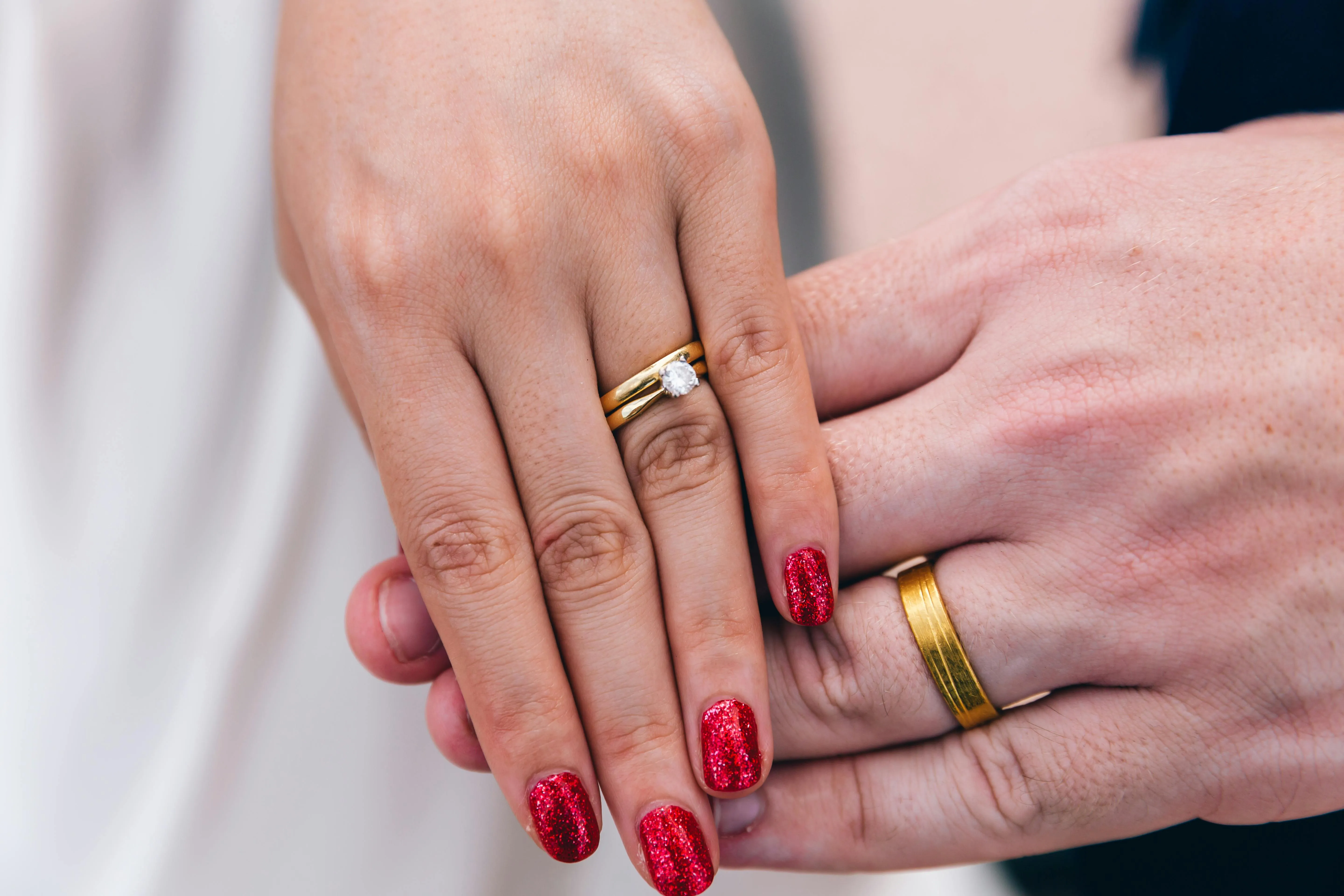
When choosing a wedding band, it’s essential to consider the different profiles available. The band’s shape and style can create a beautiful harmony with the engagement ring. Key profile types include classic and dainty bands, contoured and notched bands, and wrap and twisted bands.
Classic and Dainty Bands
Classic bands are simple and timeless. They are typically made of plain metal, such as gold, platinum, or white gold. This type matches well with most engagement rings because of its subtle elegance.
Dainty bands often feature a delicate design, sometimes with small gemstones. These bands are perfect for someone who wants a softer look. Both types enhance the ring without overpowering it.
When selecting a classic or dainty band, consider the thickness. A thinner band can create a gentle contrast with an ornate engagement ring.
Contoured and Notched Bands
Contoured bands are specifically designed to fit around an engagement ring. They have a curved or angled shape, allowing them to hug the ring closely. This creates a seamless appearance that many brides love.
Notched bands, similar in concept, have one or more indentations. These notches provide a snug fit and can elevate the engagement ring's presence.
When assessing these bands, it’s crucial to ensure compatibility with the ring’s setting. This can help achieve a unified look, making both rings stand out beautifully together.
Wrap and Twisted Bands
Wrap bands create an illusion of movement with their swirling designs. They can wrap around the engagement ring, adding a unique twist to the overall look. This style often features intricate details and can include varying metal tones.
Twisted bands have a rope-like appearance, intertwining two or more metal strands. This profile adds depth and texture, complementing elegantly detailed engagement rings.
Both styles serve to enhance the uniqueness of the set. Choosing between them depends on personal preference for style and how much detail the wearer desires.
Matching Metals and Materials
Choosing the right materials for a wedding band is important. The metals should complement the engagement ring. This section covers gold alloys, platinum, palladium, and alternative metals.
Gold Alloys and Purity
Gold is popular for wedding bands. It comes in various alloys, such as 14k, 18k, and 22k. The "k" stands for karats, which measures gold purity.
- 14k gold: 58.3% pure gold, durable and affordable.
- 18k gold: 75% pure gold, offers a rich color.
- 22k gold: 91.7% pure gold, softer and less durable.
When choosing, consider how the gold matches the engagement ring. Yellow gold pairs well with classic styles. White gold can complement diamonds and other stones.
Platinum and Palladium Bands
Platinum is a popular choice for wedding bands. It is dense, durable, and hypoallergenic. Platinum bands typically contain 95% pure platinum. This high purity gives a bright, white finish.
Palladium is another option. It is lighter and more affordable than platinum. Palladium bands have around 95% purity as well. Both metals resist scratching and tarnishing. Their neutral tones match many engagement rings beautifully.
Alternative Metal Bands
Alternative metals are becoming more common. These include tungsten, titanium, and cobalt. They are strong and can suit various styles.
- Tungsten: Very hard, scratch-resistant, and comes in various finishes.
- Titanium: Lightweight and strong, perfect for active lifestyles.
- Cobalt: Polished and bright, offering a similar look to white gold.
These metals can be a great match for unique engagement rings. They often fit modern or unconventional styles, giving couples more options. Each metal has its own characteristics, which can enhance the overall look of the wedding set.
Coordinating Gemstones and Diamonds
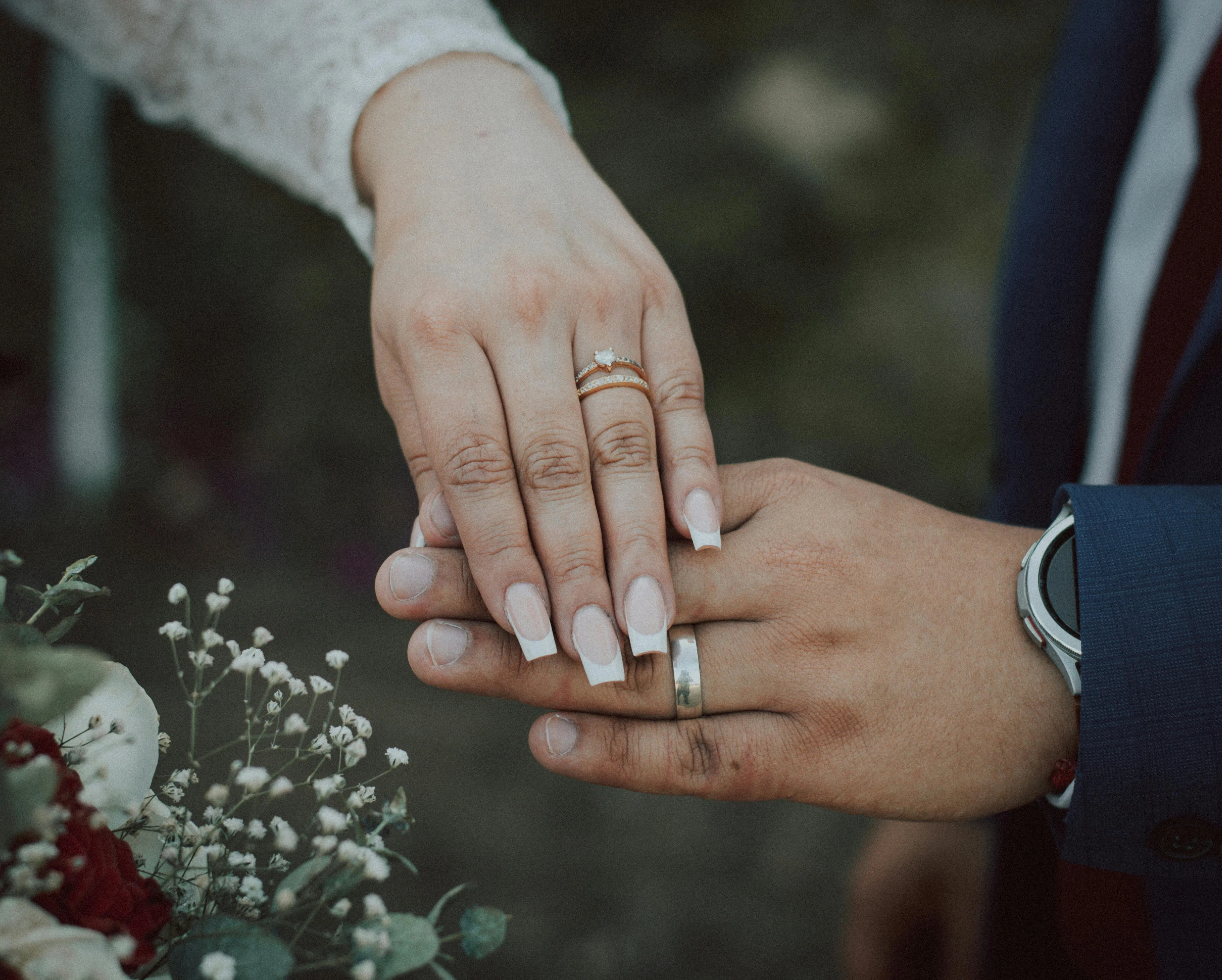
When choosing a wedding band, matching gemstones and diamonds is crucial for a cohesive look. Factors like shape, carat size, clarity, color, and cut all play important roles in this process.
Gemstone Shape and Setting
The shape of the gemstone can greatly influence how well it pairs with an engagement ring. Common shapes include round, princess, oval, and pear.
- Round stones are very timeless and versatile.
- Princess cuts give a modern flair, while oval and pear shapes add elegance.
The setting style also matters. A prong setting will highlight the stones, while a bezel setting provides a more modern look. It’s important to consider how the shapes fit together, as mismatched shapes can clash and detract from the overall aesthetic.
Diamond Carat and Clarity
Carat weight refers to the size of the diamond, while clarity measures how clear the stone is. These two factors should harmonize with the engagement ring.
- A wedding band with a lower carat weight than the engagement ring can look balanced.
- For clarity, aim for diamonds that have similar characteristics.
A high clarity diamond pairs well with a clear engagement ring stone, but aiming for slightly lower clarity can be more budget-friendly. Choosing diamonds that share similar carat weight creates a more visually appealing look.
Matching Color and Cut
Color and cut are essential in ensuring the wedding band matches the engagement ring. Diamonds are graded on a color scale from D (colorless) to Z (light yellow).
Selecting a wedding band with a similar color grade can keep the look cohesive.
- For colored gemstones, choose colors that complement the diamond or match the ring’s setting.
Cut affects how a diamond reflects light, affecting its brilliance. A well-cut diamond shines brighter, enhancing its romantic qualities. Matching the cut style is vital to create a harmonious sparkle.
Considering Band Width and Thickness
Choosing the right band width and thickness is important for a perfect match with an engagement ring. A well-balanced band complements the ring’s design and enhances comfort for daily wear.
Balancing With the Engagement Ring
The width of the wedding band should harmonize with the engagement ring. If the engagement ring is delicate, a thin band works best. A thinner band will not overpower the ring’s beauty.
For more substantial engagement rings, a wider band may be fitting. This combination creates a balanced look.
Common band widths:
- 2 mm: Ideal for petite rings.
- 4 mm: Works well with standard-sized rings.
- 6 mm: Suitable for bold designs.
Choosing a similar metal also creates cohesiveness in design.
Comfort Fit vs. Standard Bands
When deciding on band thickness, comfort is key. A comfort fit band has a rounded interior. This shape allows for easier wear, especially for wider bands.
In contrast, a standard band is flat on the inside. It can be more rigid but may fit tighter over time.
Factors to consider:
- Lifestyle: Active individuals might prefer comfort fit.
- Ring Size: Thicker bands can feel tighter.
Understanding these differences helps in selecting the most suitable option. This choice can affect the overall feel of the ring and its everyday wear.
Custom Band Design Process
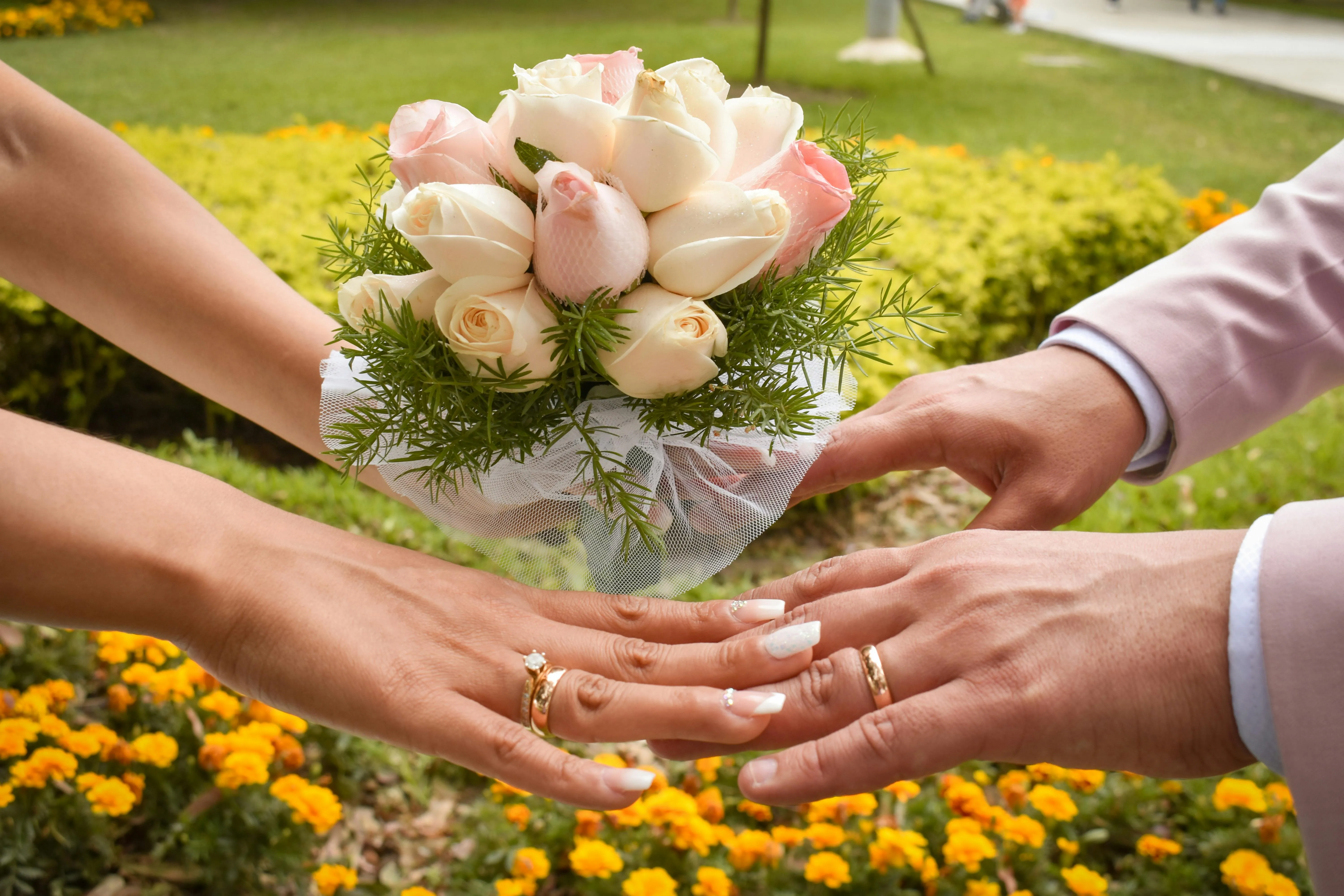
Designing a custom wedding band that matches an engagement ring involves careful planning and collaboration. It’s essential to focus on the couple’s preferences and the qualities they want in their rings.
Collaboration with Jewelers
Working with an experienced jeweler is important in the custom design process. They bring valuable knowledge about materials, styles, and techniques. Couples should start by discussing their vision and sharing any ideas or inspirations they have.
A jeweler can suggest options for metals, such as white gold, yellow gold, rose gold, or platinum. They can also help with setting choices, including clasps or intricate designs that enhance the ring's beauty. The collaboration is a step-by-step journey from sketch to final product, ensuring that both partners feel involved and satisfied.
Creating a Unique Set
Creating a unique set involves designing the wedding band to complement the engagement ring’s unique features. Couples should pay attention to the details, like the shape and any stones on the engagement ring. This helps in choosing a band that fits comfortably and looks cohesive.
Examining styles is important. Some might prefer a simple band, while others may want something more ornate with engravings or added gemstones. Custom designs can also include personal touches, such as initials or meaningful symbols. This ensures the rings represent their love story and are distinct to them.
Maintenance and Care Tips
Taking care of a wedding band is essential for its longevity and beauty. Regular cleaning and occasional professional servicing will keep the ring looking its best and help maintain its structure.
Regular Cleaning and Storage
To keep a wedding band shining, regular cleaning is necessary. A simple method is to soak the ring in a mixture of lukewarm water and mild dish soap for about 20 to 30 minutes. After soaking, use a soft brush to gently scrub the piece, paying attention to any settings or details.
Rinse the ring in lukewarm water and dry it with a soft cloth. This process removes dirt and oils that accumulate over time.
When not worn, store the wedding band in a soft pouch or a dedicated jewelry box. Avoid keeping it in places with sharp objects, which can scratch the surface.
Professional Servicing
Having a wedding band professionally serviced can enhance its appearance and strength. It is recommended that rings be taken to a jeweler once a year for inspections and cleanings. This helps spot issues like loose stones or worn prongs before they become serious.
During servicing, a jeweler can also polish the ring to maintain its shine. They can check for any damage that may not be visible to the naked eye and perform necessary repairs. Regular checks prevent costly fixes later and ensure the ring lasts for years.
Frequently Asked Questions
Choosing a wedding band that complements an engagement ring involves several important factors. The style, metal type, and fit are all crucial elements to consider for the best match.
What considerations should I take into account when choosing a wedding band to complement my engagement ring?
When selecting a wedding band, think about the metal type, style, and any unique details of the engagement ring. Consider how the shapes and designs will look together. It helps to try on different pairs to see what feels right.
Is it necessary for my wedding band to match the metal and style of my engagement ring?
It is not necessary for the wedding band to match perfectly with the engagement ring. Many choose complementary designs that still look beautiful together. Mixing metals or styles can create a unique and personal look.
How can I ensure my curved wedding band fits snugly against my engagement ring?
To get a good fit with a curved wedding band, consider having both rings shaped together. This allows the jeweler to create a band that fits snugly around the engagement ring. Trying on different options can also help find the best fit.
Can I choose a wedding band for an emerald cut engagement ring that enhances its unique features?
Yes, certain wedding bands can enhance the features of an emerald cut engagement ring. Look for bands that have clean lines and minimalistic designs to highlight the stone. A straight band can offer a sleek and stylish look.
What are the benefits of selecting a nesting wedding band for my engagement ring?
A nesting wedding band is designed to fit perfectly with the engagement ring. This can create a seamless look and prevent any gaps. It also helps in keeping both rings secure and comfortable to wear.
Are there style guidelines for pairing an engagement ring with a wedding band of a different thickness?
When pairing rings of different thicknesses, aim for balance. A thinner wedding band can work well with a thicker engagement ring. Be mindful of the overall look to ensure the rings complement each other without looking mismatched.