
Blog
Essential Considerations for Picking the Perfect Unique Engagement Ring Style
Published: Feb 25, 2025
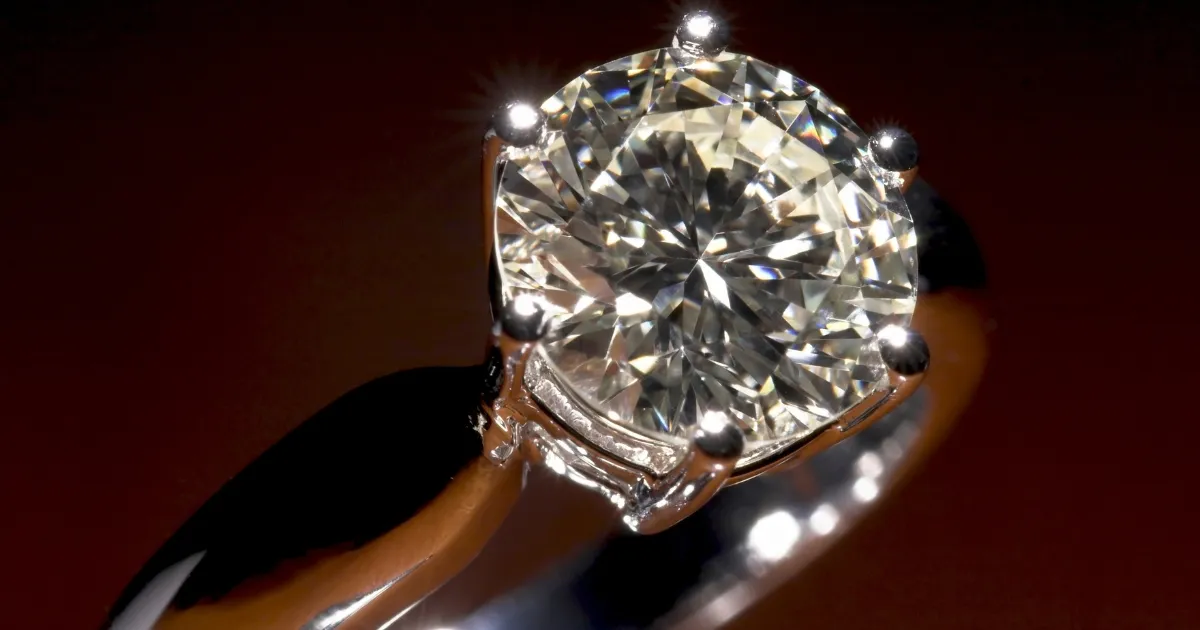
Choosing the perfect engagement ring can feel overwhelming. It’s important to identify your personal style and preferences before making a decision. A unique engagement ring should reflect the personality and taste of the wearer, making the selection process both meaningful and exciting.
Think about the different styles available and how they align with the person’s character. Ring components, such as stone shape and band material, play a vital role in creating a one-of-a-kind piece. By understanding these elements, anyone can find a ring that stands out and represents their commitment.
Budget is another critical factor. It’s possible to find high-quality options without overspending. Knowing what to prioritize can help in selecting a ring that balances value and personal significance.
Key Takeaways
- Identify personal style to choose the right ring.
- Focus on ring components that resonate with the wearer.
- Balance budget with quality to find the best value.
Assessing Your Personal Style
Choosing an engagement ring is personal. Understanding individual style helps find the perfect ring. Two key areas to consider are lifestyle and comfort, along with reflecting personality through design.
Considering Lifestyle and Comfort
Lifestyle plays a big role in choosing an engagement ring. A ring should fit a person's daily activities. Someone with an active lifestyle may prefer a lower setting to avoid snagging.
Material matters too. Certain metals, like platinum, are sturdy and can handle wear. For those who work with their hands, choosing a durable gemstone, like a sapphire or diamond, can be a smart choice.
Additionally, comfort should not be overlooked. A ring that feels right will be worn with joy. Trying on different styles and settings can help determine what feels best.
Reflecting Personality Through Design
The design of the engagement ring should reflect the wearer's personality. Different shapes and styles convey different traits. For example, classic round cuts often represent timeless elegance.
Unique shapes, like pear or marquise, may showcase individuality. The choice of metal also expresses style: yellow gold for warmth, white gold for modernity, or rose gold for romantic flair.
Personal touches can enhance design. Engravings or birthstones add meaning. Custom designs ensure the ring feels one-of-a-kind, aligning perfectly with the person it is meant for.
Understanding Ring Components
Choosing an engagement ring involves knowing about its main parts. This section explores the different materials for bands and the various shapes and settings for gemstones. Knowing these details can help anyone make a more informed choice.
Differentiating Band Materials
The band is a key part of an engagement ring. It shapes the ring's overall look and feel. Common materials include:
- Gold: Available in yellow, white, and rose colors. Gold is popular for its classic appeal.
- Platinum: A strong, durable metal with a bright finish. It is hypoallergenic and lasts a long time.
- Palladium: A lighter alternative to platinum. It is also resistant to tarnishing.
- Sterling Silver: A more affordable option. It has a softer finish and may need more care.
Each material has its own pros and cons. Choosing the right one depends on personal style and budget.
Exploring Gemstone Shapes and Settings
The gemstone is the centerpiece of the engagement ring. Different shapes and settings can change how it looks.
Shapes include:
- Round: Known for its brilliance. This shape is often the most popular choice.
- Princess: A square shape that has bold lines, giving a modern look.
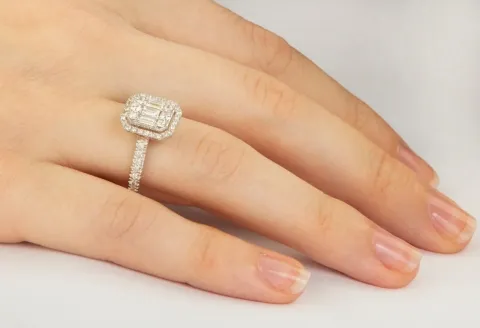
- Emerald: Features a rectangular shape with cut corners. It has a vintage feel.
Settings influence the overall style:
- Prong: Raises the gemstone off the band. This setting showcases the stone's brilliance.
- Bezel: Surrounds the stone with metal. This option offers protection and a sleek look.
- Halo: Features smaller stones surrounding the main stone. This creates a glamorous effect.
Choosing the right shape and setting helps highlight the beauty of the gemstone.
Determining Quality and Craftsmanship
When choosing an engagement ring, quality and craftsmanship are key factors. They influence the ring's beauty and durability. Paying attention to gemstones and manufacturing techniques can ensure a ring lasts and looks stunning.
Grading Gemstones
Gemstone quality is based on the "Four Cs": Carat, Cut, Color, and Clarity.
- Carat refers to the weight of the gemstone. Heavier stones tend to be more expensive.
- Cut affects how well the stone reflects light. A well-cut diamond sparkles more.
- Color ranges from colorless to shades in diamonds. Generally, less color means higher value.
- Clarity measures the presence of internal or external flaws, known as inclusions and blemishes. Higher clarity means a more valuable stone.
Buyers should always ask for certification from reputable gem labs to verify the quality of the gemstones.
Evaluating Manufacturing Techniques
The manufacturing process significantly impacts the ring's quality.
- Setting: Look for secure settings that protect the stone. Common types include prong, bezel, and pave settings.
- Metal Quality: The metal type matters. Platinum and 18k gold are popular choices due to their durability.
- Craftsmanship: High-quality craftsmanship shows through smooth finishes and precise details.
Inspecting a ring closely can reveal if it has rough edges or imperfections. Quality rings maintain their beauty over time, making these considerations essential.
Balancing Budget and Value
Choosing the right engagement ring involves understanding both the budget and the value of the piece. It’s important to prioritize personal financial limits while ensuring quality and significance in the final choice.
Navigating Costs and Investment
Budgeting for an engagement ring can feel overwhelming. Couples should first set a clear spending limit. This can help narrow down options and focus on what really matters.
Key factors to consider:
- Ring Material: Gold, platinum, and silver have different price points.
- Stone Size and Type: The type of gemstone affects cost. Diamonds are traditional, but alternatives like sapphires or moissanite may offer better value.
It’s wise to research prices and compare options from various jewelers. Seasonal sales or promotions can help find a good deal without sacrificing quality. Setting priorities can also make a big difference in choosing a ring that fits the budget.
Finding Value in Ethical Sourcing
Ethical sourcing is becoming increasingly important for many buyers. Couples may want to consider the origins of the materials used in their rings. Choosing ethically sourced gems can add meaning and value to the piece.
Important points to explore:
- Conflict-free diamonds: These stones are sourced responsibly, ensuring no human rights are violated.
- Recycled metals: Rings made from recycled materials help reduce environmental impact.
Buyers should ask jewelers about sourcing practices. Understanding where materials come from not only supports ethical practices but also can enhance the sentimental value of the engagement ring. This can make a significant difference in how the ring is perceived over time.
Considering Customization Options
Customization can make an engagement ring unique and special. Personal touches can reflect a couple's journey or values. It's important to consider how these aspects will tie into the ring's design and craftsmanship.
Incorporating Personal Elements
Adding personal elements can give the ring a distinct character. This might include using a specific gemstone that holds meaning for the couple.
Some ideas for personalization are:
- Engraving: A meaningful phrase or date can be added inside the band.
- Custom shapes: Setting the stone in a unique design that matches their style.
- Choosing rare stones: Opting for colored diamonds or alternative gems to stand out.
These touches can make the ring not just a symbol of love, but also a representation of their shared experiences and future together.
Understanding the Timeline for Custom Rings
Creating a custom ring requires time and planning. Typically, the process can take anywhere from a few weeks to several months.
It's essential to consider the following steps:
- Consultation: Discussing ideas with a jeweler can take time.
- Design phase: Sketches and decisions might require back-and-forth communication.
- Crafting: Once approved, crafting the ring adds additional weeks.
Being aware of this timeline helps to prevent rushing decisions and ensures the final product is exactly right.
Frequently Asked Questions
Choosing an engagement ring involves many factors. Understanding settings, styles, gemstones, and metal types can help in making a well-informed decision.
What are the different types of engagement ring settings, and how do they influence the ring's style?
There are several common types of settings, including solitaire, halo, and three-stone. Each setting affects the ring’s appearance and how the stone is displayed. A halo setting adds sparkle with smaller stones around the center gem, while a solitaire highlights the main stone.
How can one identify their partner's engagement ring style preference effectively?
Pay attention to their jewelry choices. Notice what they wear daily and ask them about their likes and dislikes. Subtle hints can reveal if they prefer classic, modern, vintage, or unique styles.
What considerations are key when choosing a metal for an engagement ring?
The most popular metals are white gold, yellow gold, rose gold, and platinum. Each metal has different qualities, such as durability, color, and cost. Consider their lifestyle, as some metals, like platinum, are more resistant to scratches than others.
How can the choice of gemstone shape impact the overall look of an engagement ring?
Gemstone shape plays a significant role in the ring's appearance. Shapes like round or princess cut give a classic look, while shapes such as oval or pear offer a more modern feel. The shape can also affect how light reflects from the stone.
Can you explain the historical significance of different engagement ring styles?
Different styles reflect varying cultural meanings and trends. The solitaire became popular during the Victorian era, while halo settings gained popularity in the Art Deco period. Understanding these histories can add depth to the choice of a ring.
What are the latest trends in engagement ring designs for those seeking a unique style?
Recent trends include colorful gemstones and unconventional shapes. Many couples are opting for asymmetrical designs or mixing metals. Personalized touches, like engraved messages or unique settings, also continue to rise in popularity.