
Blog
Eco-Friendly vs Traditional Engagement Rings: Understanding the Key Differences
Published: Jan 22, 2025
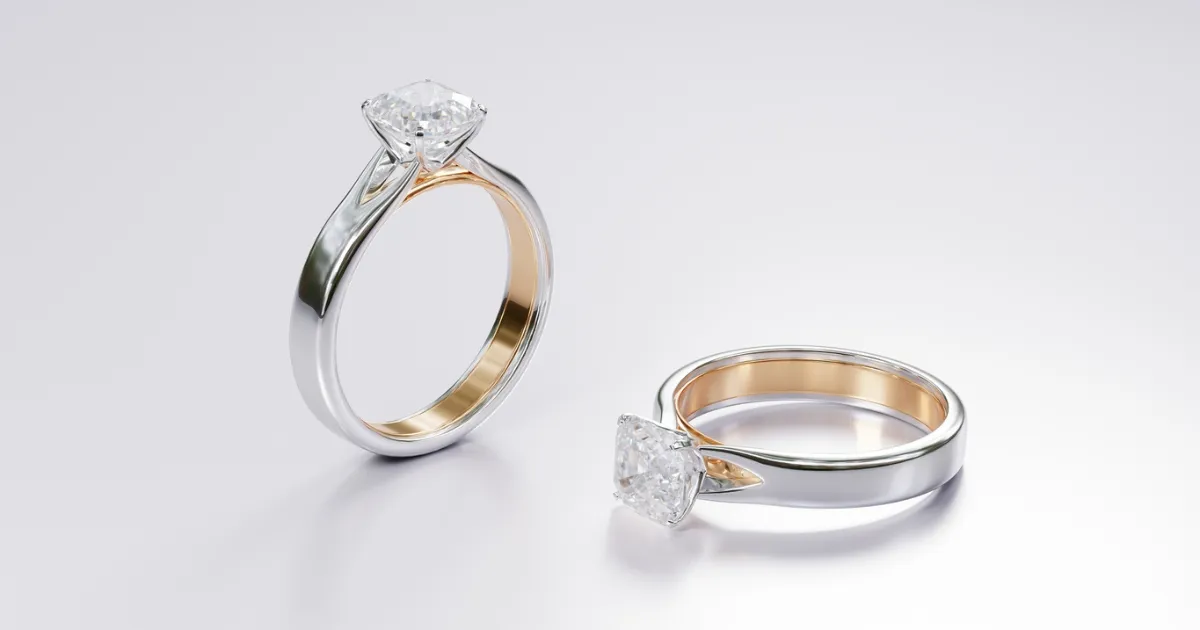
Choosing an engagement ring is an important decision for many couples. Eco-friendly rings offer a sustainable choice, while traditional rings often represent classic beauty and heritage. Understanding the key differences between these two options can help buyers make informed choices that reflect their values and tastes.
Eco-friendly engagement rings are crafted with sustainability in mind, using recycled materials or ethically sourced gems. On the other hand, traditional rings may utilize newly mined stones, which can raise concerns about environmental and ethical impacts. Each type has unique features that can appeal to different preferences and priorities.
By comparing these options, shoppers can discover which ring best aligns with their vision for their future. The choice reflects personal values and can also have lasting effects on the environment and society.
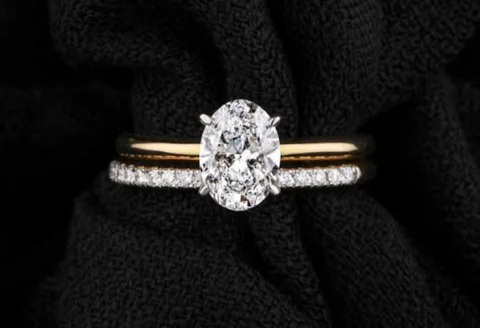
Eco-friendly engagement rings typically feature lab-grown diamonds or recycled materials. Lab-grown diamonds have the same physical and chemical properties as mined diamonds but are produced in a controlled environment, reducing the ecological footprint. Recycled metals are sourced from old jewelry or industrial materials, keeping valuable resources in circulation and minimizing waste.
In contrast, eco-friendly rings prioritize sustainability in their production process. Many artisans use ethical practices, ensuring fair labor conditions and minimal environmental impact. Eco-friendly brands often adopt energy-efficient practices and use ethical gemstones. This focus on responsible craftsmanship aligns with a commitment to protect the planet while creating beautiful pieces.

In contrast, eco-friendly rings typically use recycled materials or lab-grown stones. These methods reduce the need for new mining, which means less harm to the environment. Using recycled gold or silver also decreases the need for mining new metals. Overall, sustainable options aim to minimize ecological damage while still providing beautiful jewelry.
Eco-friendly engagement rings generally have a smaller carbon footprint. Lab-grown diamonds, for instance, can be produced with much lower energy use. Additionally, sourcing recycled materials often requires less transportation. This efficiency lowers emissions involved in creating the ring. Choosing sustainable options helps to support practices that are better for the planet.
In addition to stones, the settings and overall design can influence cost. Many retailers offer unique, sustainable options that might have similar or lower prices compared to traditional pieces. Buyers should compare prices from various sources to find the best match for their budget.
Market trends can influence this. Many consumers prefer sustainable options, leading to potential increases in demand for eco-friendly rings. As awareness grows, their value could stabilize or even increase over time.
Buyers should research current market trends and the resale options available for both types of rings. This knowledge helps make informed decisions based on personal priorities.
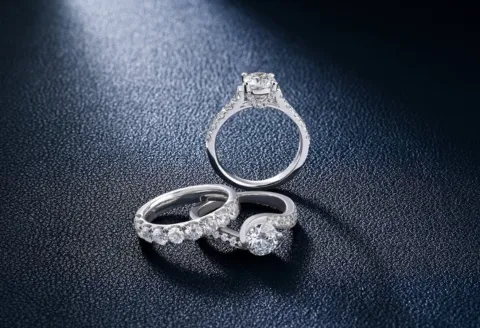
In contrast, many eco-friendly rings come from sources that prioritize ethical labor. These manufacturers often ensure fair wages and safe working conditions. They may also support communities through social programs. This commitment can lead to a positive impact in regions that produce gemstones.
Choosing an eco-friendly ring may reflect values of social responsibility and compassion towards workers in the industry.
To combat this, various organizations provide certifications. The Kimberley Process certifies diamonds as conflict-free, but some argue it is not always effective.
Eco-friendly rings often come with stricter standards. Certifications like Fair Trade or Responsible Jewelry Council (RJC) ensure sustainable and ethical sourcing. These certifications can offer assurance that the materials used are responsibly sourced.
When considering engagement rings, knowing the certifications can guide an informed choice.
Traditional rings usually focus on classic designs, such as solitaire or three-stone settings. They often use mined diamonds and precious metals like gold and platinum. Many people prefer these timeless styles for their enduring appeal and recognized value.
On the other hand, traditional engagement rings may also offer customization options, but they often come with a prescribed range of designs. Couples can select different settings or even engrave messages. Still, they might face limits on the types of materials used, mainly due to sourcing practices.
Eco-friendly engagement rings are crafted with sustainability in mind, using recycled materials or ethically sourced gems. On the other hand, traditional rings may utilize newly mined stones, which can raise concerns about environmental and ethical impacts. Each type has unique features that can appeal to different preferences and priorities.
By comparing these options, shoppers can discover which ring best aligns with their vision for their future. The choice reflects personal values and can also have lasting effects on the environment and society.
Key Takeaways
- Eco-friendly rings prioritize sustainability and ethical sourcing.
- Traditional rings often symbolize classic design and enduring value.
- Personal values significantly influence the choice of engagement rings.
Defining Eco-Friendly and Traditional Engagement Rings
Eco-friendly and traditional engagement rings differ mainly in materials and how they are made. Understanding these differences helps consumers make informed choices.Materials and Sourcing
Traditional engagement rings often use mined diamonds and metals like gold and platinum. These materials can have a significant impact on the environment due to mining practices. Mined diamonds contribute to habitat destruction and pollution, while gold mining can involve toxic chemicals.Eco-friendly engagement rings typically feature lab-grown diamonds or recycled materials. Lab-grown diamonds have the same physical and chemical properties as mined diamonds but are produced in a controlled environment, reducing the ecological footprint. Recycled metals are sourced from old jewelry or industrial materials, keeping valuable resources in circulation and minimizing waste.
Craftsmanship and Production
The craftsmanship of traditional rings often emphasizes luxury and ornate designs, with a focus on materials sourced through traditional mining. Fine jewelry houses may use skilled artisans, but the overall production can still contribute to environmental degradation.In contrast, eco-friendly rings prioritize sustainability in their production process. Many artisans use ethical practices, ensuring fair labor conditions and minimal environmental impact. Eco-friendly brands often adopt energy-efficient practices and use ethical gemstones. This focus on responsible craftsmanship aligns with a commitment to protect the planet while creating beautiful pieces.
Environmental Impact
The choice between eco-friendly and traditional engagement rings can greatly influence the environment. This section highlights how mining practices and carbon emissions differ between these two types of rings.Mining and Extraction
Traditional engagement rings often use gemstones and metals mined from the earth. This mining process can lead to significant environmental damage. It can destroy habitats, pollute water supplies, and cause soil erosion. For example, diamond mining may involve disrupting entire ecosystems.In contrast, eco-friendly rings typically use recycled materials or lab-grown stones. These methods reduce the need for new mining, which means less harm to the environment. Using recycled gold or silver also decreases the need for mining new metals. Overall, sustainable options aim to minimize ecological damage while still providing beautiful jewelry.
Carbon Footprint
The carbon footprint of traditional engagement rings is significant. Mining, refining, and transporting these materials contribute to greenhouse gas emissions. Each step in this process adds to climate change and environmental degradation.Eco-friendly engagement rings generally have a smaller carbon footprint. Lab-grown diamonds, for instance, can be produced with much lower energy use. Additionally, sourcing recycled materials often requires less transportation. This efficiency lowers emissions involved in creating the ring. Choosing sustainable options helps to support practices that are better for the planet.
Economic Considerations
When choosing between eco-friendly and traditional engagement rings, the financial aspects play a crucial role. Cost analysis and value retention are two significant factors that impact a buyer's decision.Cost Analysis
Eco-friendly engagement rings can vary in price, often depending on the materials used. Some eco-friendly rings, like lab-created diamonds, can be less expensive than their mined counterparts. For instance, lab-grown diamonds may cost 20-40% less than natural stones.In addition to stones, the settings and overall design can influence cost. Many retailers offer unique, sustainable options that might have similar or lower prices compared to traditional pieces. Buyers should compare prices from various sources to find the best match for their budget.
Value Retention Over Time
Value retention is essential when considering an engagement ring as an investment. Traditional diamonds often maintain their value well. However, eco-friendly rings, particularly lab-grown diamonds, may depreciate faster and have a lower resale value.Market trends can influence this. Many consumers prefer sustainable options, leading to potential increases in demand for eco-friendly rings. As awareness grows, their value could stabilize or even increase over time.
Buyers should research current market trends and the resale options available for both types of rings. This knowledge helps make informed decisions based on personal priorities.
Social and Ethical Implications
Choosing between eco-friendly and traditional engagement rings involves considering their social and ethical impacts. Important factors include labor practices and the certifications that ensure responsible sourcing.Labor Practices
Labor practices in the jewelry industry can vary widely. Traditional diamond mining often raises concerns about worker safety and fair wages. In some cases, miners work in dangerous conditions for little pay.In contrast, many eco-friendly rings come from sources that prioritize ethical labor. These manufacturers often ensure fair wages and safe working conditions. They may also support communities through social programs. This commitment can lead to a positive impact in regions that produce gemstones.
Choosing an eco-friendly ring may reflect values of social responsibility and compassion towards workers in the industry.
Certifications and Standards
Certifications play a crucial role in ensuring ethical practices in jewelry production. Traditional diamonds can be conflict diamonds, or "blood diamonds," which finance violence and human rights abuses.To combat this, various organizations provide certifications. The Kimberley Process certifies diamonds as conflict-free, but some argue it is not always effective.
Eco-friendly rings often come with stricter standards. Certifications like Fair Trade or Responsible Jewelry Council (RJC) ensure sustainable and ethical sourcing. These certifications can offer assurance that the materials used are responsibly sourced.
When considering engagement rings, knowing the certifications can guide an informed choice.
Aesthetics and Design
The look and feel of engagement rings can greatly differ between eco-friendly and traditional styles. Each ring offers unique options in design, reflecting personal taste and values.Style Variations
Eco-friendly engagement rings often feature natural and unique stones. These might include lab-created diamonds or ethically sourced gems. Styles can range from vintage to modern, incorporating both simplicity and intricacy.Traditional rings usually focus on classic designs, such as solitaire or three-stone settings. They often use mined diamonds and precious metals like gold and platinum. Many people prefer these timeless styles for their enduring appeal and recognized value.
Customization and Personalization
Eco-friendly rings frequently allow for more customization. Many brands enable customers to choose the design, gem type, and band material. This approach helps couples reflect their personal love story.On the other hand, traditional engagement rings may also offer customization options, but they often come with a prescribed range of designs. Couples can select different settings or even engrave messages. Still, they might face limits on the types of materials used, mainly due to sourcing practices.