
Blog
Choosing Diamond Earring Metal Settings That Last: A Guide to Durable Options
Published: Dec 4, 2024
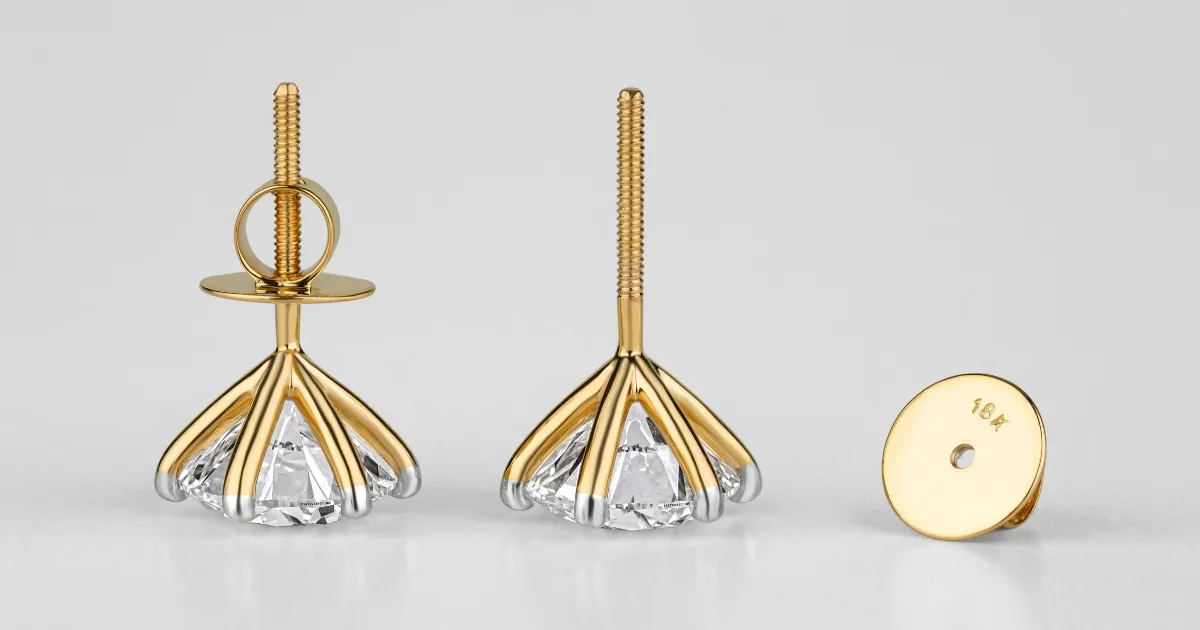
Choosing diamond earring metal settings is an important decision that impacts both the look and longevity of the earrings. Selecting the right metal can help ensure that the earrings resist wear, remain beautiful, and suit the wearer’s lifestyle. Understanding the durability of each type of metal is key to making a wise choice.
Wearing diamond earrings should be a joy, not a hassle. Many people face issues with allergic reactions or sensitivities to certain metals, making it crucial to choose settings that are both safe and stylish. The right settings also enhance the beauty of the diamonds, allowing the wearer to express their personal style effectively.
Key Takeaways
- Metal choice impacts both durability and style.
- Allergies to certain metals can affect comfort.
- Regular maintenance keeps diamond earrings looking their best.
Understanding Metal Durability
Choosing the right metal for diamond earring settings is crucial for durability. Certain metals offer better resistance to wear and tear, making them ideal for lasting jewelry. Key factors include gold quality, the strength of platinum, and the differences between silver and white gold.
Assessing Gold Quality
Gold is measured in karats, which indicates purity. Common options are 10K, 14K, and 18K gold.
- 10K Gold: Contains 42% gold, making it more durable but less expensive.
- 14K Gold: Comprises 58% gold, balancing durability and gold content.
- 18K Gold: Has 75% gold, offering a richer color but can be softer and more prone to scratching.
Choosing a higher karat gold offers beauty but may require more care. The alloy metals mixed with gold also affect durability. For example, nickel can add strength but may cause allergic reactions.
The Resilience of Platinum
Platinum is a highly valued metal known for its resilience. It is denser than gold, which means it is less likely to scratch or bend.
- Strength: Platinum maintains its shape longer than softer metals.
- Hypoallergenic: This makes it a great choice for sensitive skin.
Platinum jewelry often uses 95% pure platinum, making it more durable. Its natural color doesn't fade, which keeps the piece looking new over time. Although it can be more expensive than gold, the longevity may justify the price.
Comparing Silver vs. White Gold
Silver and white gold are common choices, but they differ greatly in durability.
- Silver: While beautiful, silver is softer and can tarnish. This makes it vulnerable to scratches and requires regular polishing.
- White Gold: Usually mixed with metals like palladium or nickel, white gold is stronger than silver.
White gold is often coated with rhodium for extra shine and protection. However, its plating can wear off, requiring reapplication over time. Buyers should consider how often they wear their earrings when selecting between the two metals.
Metal Allergies and Sensitivities
When choosing diamond earring metal settings, it is important to consider metal allergies and sensitivities. Many people experience reactions from certain metals. Knowing which materials to avoid can help in selecting the right earrings.
Hypoallergenic Options
Hypoallergenic metals are less likely to cause allergic reactions. Some common hypoallergenic options include:
- Titanium: Strong and lightweight, titanium is resistant to corrosion.
- Surgical Steel: Often used in body jewelry, surgical steel is durable and less likely to irritate the skin.
- Niobium: This metal is non-reactive and is safe for sensitive skin.
- Gold Varieties: Platinum and 14k or 18k gold with no nickel content are good choices too.
These materials provide safety and comfort for those with sensitivities.
Recognizing Common Allergens
Certain metals are known to cause allergies. Nickel is the most common allergen found in jewelry. Many people who react to jewelry do so because of nickel exposure.
Cobalt and lead are also known to cause reactions. People sensitive to these metals may experience redness, itching, or swelling.
It is important to read labels and ask about materials used in earring settings. This helps avoid discomfort and ensures a more enjoyable wearing experience.
Aesthetic and Design Considerations
When choosing diamond earring metal settings, aesthetic and design elements play a vital role. Specific metal choices can highlight the diamond's beauty while the design influences the earring's overall look.
Matching Metals to Diamond Color
Different metals can affect how a diamond's color appears. For example, white diamonds often look best in white gold or platinum. These metals create a clean, modern look, which enhances the diamond's brilliance.
Yellow diamonds can pair nicely with yellow gold. The warmth of yellow gold can bring out the rich color of the diamond.
For rose diamonds, rose gold can create a romantic feel. This combination can make the diamond look even more special with its unique hue.
Choosing the right metal ensures the diamond stands out and enhances the overall design of the earrings.
Setting Styles for Diamond Earrings
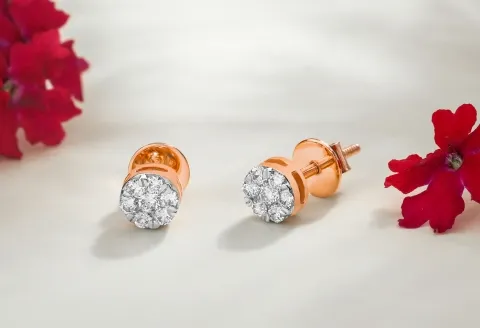
The style of the earring setting matters a lot in bringing out the diamond's features. Stud settings are classic and focus attention directly on the diamond. This style is ideal for a timeless look.
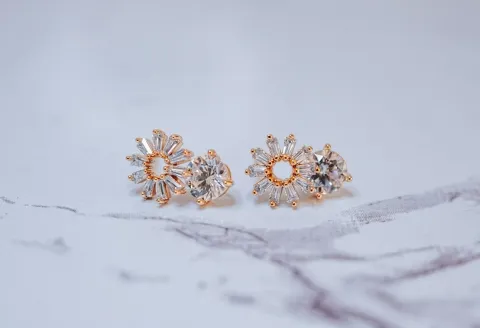
Halo settings add extra sparkle. Small diamonds around the center stone can make it appear larger. This look is popular for those who love a bit more glamour.
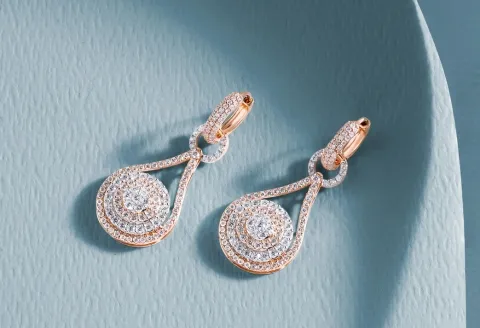
Drop earrings can showcase longer diamonds and create movement. These earrings catch the light beautifully, making them a favorite for special occasions.
Selecting the right setting style should reflect personal taste while showcasing the diamond's beauty.
Maintenance and Care
Taking care of diamond earring metal settings ensures they remain beautiful and last longer. Regular cleaning and occasional professional maintenance play important roles in preserving their luster and integrity.
Routine Cleaning Tips
Regular cleaning is essential for maintaining diamond earrings. A simple solution of warm water and mild soap works well. Soak the earrings for about 15 minutes, then gently scrub them with a soft toothbrush. This helps remove dirt and oils that can dull the shine.
After cleaning, rinse the earrings with warm water and pat them dry with a soft cloth. It is best to avoid abrasive materials, as they can scratch the surface. Consider cleaning the earrings every few weeks, or more often if they are worn daily.
For added care, store the earrings in a cloth pouch or a separate compartment in a jewelry box to prevent scratching.
Professional Inspection and Repair
Taking diamond earrings to a professional for inspection and repair is a good practice. A jeweler can check for loose stones and metal wear. This kind of inspection should happen at least once a year.
If any issues are found, timely repairs can prevent further damage. Jewelers can provide services like re-tipping prongs, cleaning, and polishing, helping to keep the earrings looking their best. It is important to choose a reputable jeweler for these services.
Regular professional care will help in maintaining the value and appearance of diamond earrings, ensuring they remain a cherished part of any jewelry collection.
Frequently Asked Questions
Choosing the right metal setting for diamond earrings can impact their durability, security, and appearance. This section covers common questions about metal choices, setting styles, and their practical effects.
Which metal ensures the longevity of diamond earring settings?
Platinum is known for its strength and resistance to wear. Gold, especially 14k or 18k, is also durable, but it can scratch more easily than platinum. Silver is less durable and may tarnish over time.
What are the most secure settings for diamond earrings?
The bezel setting is among the most secure, as it surrounds the diamond completely. The four-prong setting holds the diamond tightly while allowing light to enter. The settings should be chosen based on the wearer’s lifestyle and preferences.
How do different settings affect the appearance and size of diamond studs?
Different settings can change how the diamond looks. A bezel setting can make a stone appear larger due to its surrounding metal. Prong settings emphasize the diamond’s brilliance but can make it look smaller if fewer prongs are used.
What are the advantages of modern settings for diamond earrings?
Modern settings often use innovative designs that enhance the diamond’s sparkle. They can also provide better security and comfort. Some modern settings are designed to make diamond earrings more lightweight.
Can diamond studs be worn daily without compromising their settings?
Many diamond studs are designed for daily wear. Choosing a sturdy setting allows for regular use without damage. The wearer should routinely check the settings for security, especially after physical activities.
How do martini and basket settings for diamond earrings compare?
Martini settings are sleek and can make the diamond appear larger. They have a low profile, reducing the chance of snagging. Basket settings offer more protection with their solid base and multiple prongs, but they can be bulkier.