
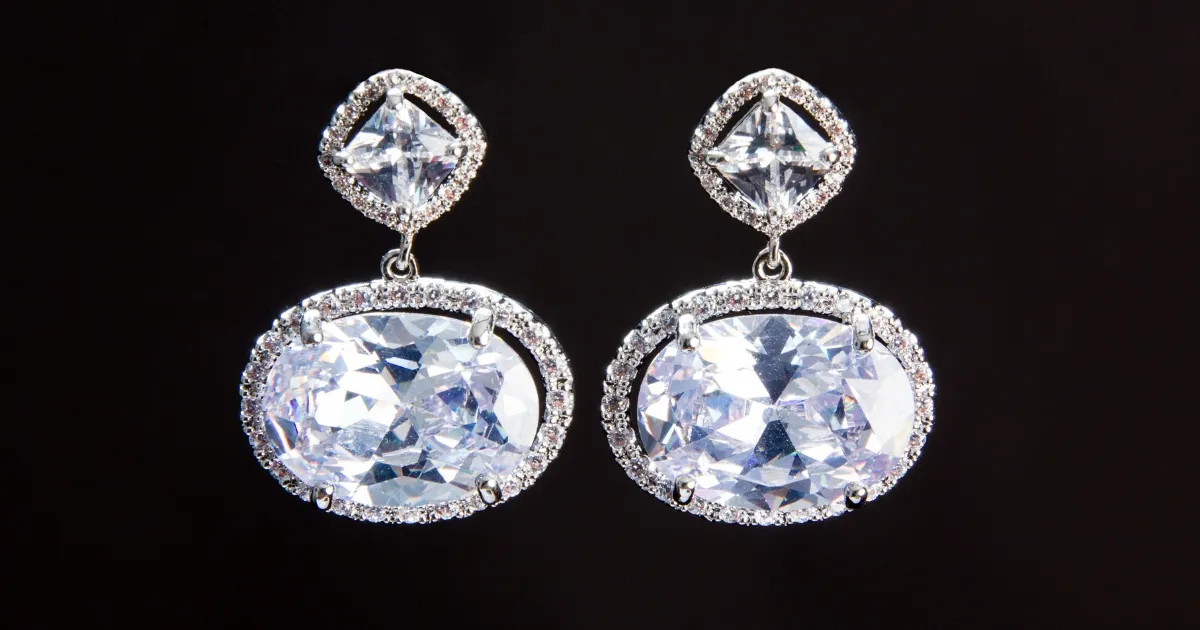
Many people wonder if diamond earrings are a smart investment. The truth is that while they can have value, the return on that value is not always guaranteed. Some buyers view them as a status symbol, while others see them as a financial asset.
Understanding the factors that affect the value of diamond earrings can help buyers make informed decisions. From market trends to how well they are cared for, these elements play a significant role in worth. This article explores whether diamond earrings are truly worth the investment, helping readers navigate their choices.
Key Takeaways
- Diamond value can fluctuate due to market conditions.
- Proper care can help maintain and potentially increase their worth.
- Resale opportunities vary and may not guarantee a profit.
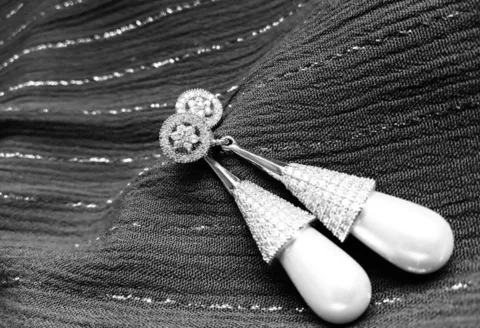
The Unveiling of Diamond Value
The value of diamonds is shaped by history and current market practices. Understanding these factors helps buyers make informed decisions about investments in diamond earrings.
Historical Significance and Rarity
Diamonds have long been symbols of wealth and power. In ancient times, they were believed to hold magical properties. They were rare and highly sought after, making them valuable even in early trade.
Over time, diamond mining practices evolved, leading to mass production. Despite this, certain types of diamonds remain rare, such as colored diamonds. Their unique hues contribute to their higher market value.
The allure of diamonds is tied to their scarcity. This rarity, combined with their historical significance, ensures that diamonds are often appreciated over time. Buyers see them as both accessories and investments.
Current Market Evaluation Methods
Today, the diamond market uses several methods to evaluate value. The most common is the "Four Cs": Cut, Color, Clarity, and Carat weight. Each factor plays a crucial role in determining a diamond's price.
- Cut: Affects how well a diamond reflects light.
- Color: Rare colors can increase value significantly.
- Clarity: Refers to the presence of internal or external flaws.
- Carat: Measures the weight, impacting size and price.
Market demand also influences prices. Trends in fashion or celebrity endorsements can lead to fluctuating values. Buyers should stay informed about these aspects to ensure fair investment choices.
Analyzing Investment Merits of Diamond Earrings
Investing in diamond earrings can bring questions about their value and potential as an asset. This section focuses on long-term value retention, factors that influence depreciation and appreciation, and how they compare to other gemstones.
Long-Term Value Retention
Diamond earrings often retain value better than many other pieces of jewelry. Their durability means they can last for generations without losing their appeal. Quality diamonds, particularly those with higher grades in cut, clarity, color, and carat weight, tend to maintain their market value.
Statistics show that well-maintained diamond jewelry can sell for about 70% to 80% of its original price years later. This retention depends on market demand and individual factors like the rarity of the diamonds used, which can significantly impact resale values.
Depreciation vs. Appreciation Factors
Depreciation can occur in lower-quality diamonds or poorly made settings. Factors like market trends and economic conditions affect how these earrings appreciate or lose value. In general, diamonds from reputable sources with certification are less likely to depreciate.
Certain styles may also influence value. Vintage and designer earrings can appreciate due to their uniqueness. In contrast, mass-produced designs may lose value more quickly. Buyers should consider these factors when investing.
Comparative Investment Analysis with Other Gems
When compared to other gemstones, diamond earrings can show strong investment qualities. While sapphires and emeralds also hold value, diamonds tend to have a more stable market. Their demand is consistently high, often making them a safer investment.
Emeralds, while beautiful, may show more price fluctuations based on rarity and quality. Sapphires have gained popularity but can also be less liquid in certain markets. Diamonds generally provide a balanced investment opportunity through their well-established market presence.
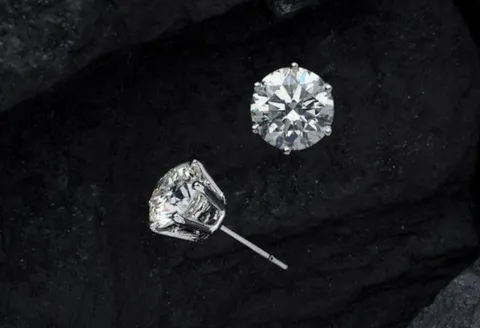
Consumer Perception and Societal Impact
Diamond earrings carry significant weight in consumer minds. Their value is shaped by cultural symbols and the influence of the media. Understanding these factors helps to reveal why many choose diamonds over other options.
Symbolism in Jewelry Choices
Diamonds symbolize love, commitment, and success. Many people believe that wearing diamond earrings expresses wealth and status. This belief often leads to the idea that the more diamonds one has, the more successful they appear.
For couples, diamond earrings can represent milestones such as engagements or anniversaries. The notion that diamonds are a "forever" gift adds to their appeal. This symbolism influences purchasing decisions, making diamonds a popular choice for special occasions.
Influence of Celebrity Culture
Celebrities significantly impact consumer choices regarding diamond earrings. When stars are seen wearing them, it creates a desire among fans to replicate that look. Promotions through red carpet events or social media can spark trends almost overnight.
Moreover, endorsements by famous figures lend credibility to the notion that diamonds signify luxury. This connection drives sales and pushes consumers to invest in diamond earrings. Brand campaigns highlighting celebrity styles further reinforce this relationship, impacting market trends.
Care and Maintenance of Diamond Earrings
Maintaining diamond earrings is key to ensuring they look their best for years. Proper care and regular upkeep can prevent damage and keep the diamonds sparkling.
Best Practices for Longevity
To protect diamond earrings, they should be stored properly. Use a soft cloth pouch or a separate compartment in a jewelry box to avoid scratches.
Cleaning is important, but it's best to use a gentle approach. Here are some tips:
- Mild Soap and Water: Mix a few drops of dish soap in warm water. Soak the earrings for a few minutes and use a soft brush to clean gently.
- Avoid Harsh Chemicals: Never use bleach or strong cleaners, as they can damage the metal and stones.
Wearing diamond earrings can expose them to dirt and oils. Remove earrings before swimming, exercising, or applying lotions and perfumes. Regular checks can help catch loose settings or dirt build-up early.
Restoration and Enhancement
If diamond earrings lose their sparkle or show signs of wear, restoration may be necessary. Professional cleaning services can restore their shine. Most jewelers offer ultrasonic cleaning, which uses sound waves to remove dirt without harming the diamonds.
For damaged settings, it's crucial to visit a professional. They can re-secure loose stones or repair bent prongs. Minor scratches on metal can often be polished out, improving the overall appearance of the earrings.
Enhancing diamonds can also involve adding protection, like a new setting or a protective coating. This can increase their lifespan while maintaining beauty. Regular maintenance checks can help identify these needs early, keeping diamond earrings in excellent condition.
Resale and Liquidation Considerations
When considering diamond earrings as an investment, resale and liquidation values are important factors. Buyers should understand how much they might get back and where they can sell.
Understanding Resale Value
The resale value of diamond earrings typically ranges from 25% to 60% of the retail price. Factors affecting this value include the quality of the diamond, rarity, and current market trends.
High-quality diamonds in popular styles tend to hold their value better. Certifications from recognized organizations like the Gemological Institute of America (GIA) can also boost resale potential.
Buyers may want to keep the original paperwork and receipts. This documentation can help establish authenticity and value, making resale smoother.
Navigating the Secondary Market
The secondary market for diamond earrings includes various platforms like online retailers, auction houses, and jewelry stores. Each option has its pros and cons.
- Online Marketplaces: Websites like eBay or specialized jewelry sites offer wide exposure but may involve fees.
- Auction Houses: These can reach serious buyers but may charge high commissions.
- Jewelry Stores: Some shops buy jewelry back, but offers may be lower than retail value.
Researching the market and choosing the right channel can help sellers get a better return on investment.

Frequently Asked Questions
Many people have questions about investing in diamonds. The value of diamonds can vary, and understanding trends and resale values is important for potential buyers. Here are some common questions regarding diamond investments.
How does the appreciation of diamonds compare to gold over the last decade?
Over the last ten years, diamonds have not consistently appreciated like gold. Gold prices have seen significant increases, while diamond prices have fluctuated. This difference makes gold a more stable investment option in comparison.
What are the projected trends for diamond investment value into the future?
Experts believe diamond investment values will remain somewhat stable but could face challenges due to market saturation. The demand for certain types of diamonds may increase, but overall growth might be limited. Investors should watch trends closely.
How can one invest in diamond stocks and what are the potential risks and benefits?
Investing in diamond stocks involves buying shares in companies that mine or trade diamonds. Benefits may include potential profits from business growth. Risks can include market volatility and company performance, which can affect stock value.
What is the actual resale value of diamonds, and how does this affect their investment potential?
The resale value of diamonds is often much lower than the original purchase price. Factors like market demand, diamond quality, and economic conditions can influence this value. This low resale can make diamonds less appealing as an investment.
Can purchasing diamond earrings be considered a financially sound investment?
Buying diamond earrings usually serves more as a personal luxury rather than a solid investment. While they may hold sentimental value, their resale price is often not close to the initial purchase price. Therefore, they are not typically seen as financially sound investments.
What have been the historical returns on investment for diamonds in the past 10 years?
In the past decade, diamonds have shown varying returns. Compared to stocks and real estate, the returns on diamonds have generally been lower. Investors often find that diamonds do not have a consistent track record for high returns.